Introduction
Discovering that your home has been broken into is one of the most upsetting situations any homeowner can face. Once you've contacted the police and ensured everyone is safe, your next priority should be securing the property to prevent further access.
Whether a lock has been snapped, a door forced open, or a window broken, acting quickly can help restore your security and provide peace of mind. In many cases, temporary repairs can be carried out immediately while permanent parts are ordered.
Contact the Police First
If you believe someone has broken into your property, contact the police as soon as possible.
Avoid touching damaged locks, doors or windows until they have been examined if the police advise this, as they may wish to preserve evidence.
Once they have completed their enquiries, the property should be secured without delay.
Secure the Door Immediately
If the point of entry was a door, the first priority is ensuring it can no longer be opened by unauthorised persons.
Depending on the damage, this may involve:
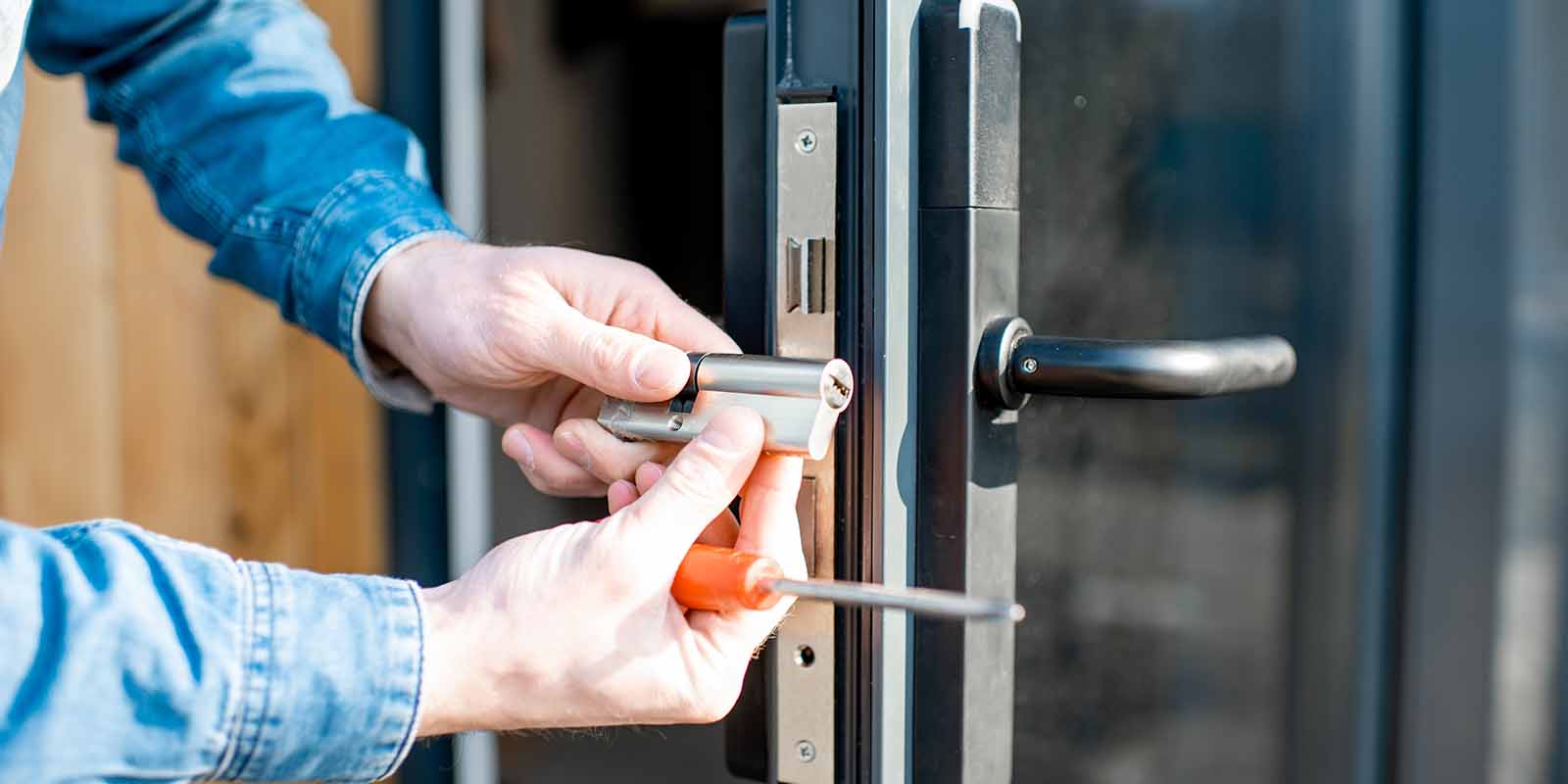
- Replacing a snapped euro cylinder.
- Replacing a damaged BS3621 mortice lock.
- Replacing a damaged BS8621 thumbturn lock where appropriate.
- Repairing or replacing a failed multipoint locking mechanism.
- Fitting temporary overnight locks.
- Installing temporary security bolts.
In many cases, replacement locks can be fitted during the initial visit.
Replace Damaged Lock Cylinders
Euro cylinders are frequently targeted during break-ins.
If the cylinder has been:
- Snapped.
- Drilled.
- Forced.
- Twisted.
- Otherwise damaged.
It should be replaced immediately.
A quality snap-resistant cylinder correctly sized for the door can significantly improve security against future attacks.
Repair or Replace Mortice Locks
For timber doors, burglars sometimes attack mortice locks or nightlatches.
Where necessary, damaged locks can be replaced with modern British Standard locks, including:
- BS3621 mortice deadlocks for external entrance doors.
- BS8621 thumbturn mortice locks where keyless escape from inside is required.
Using the correct lock helps restore security and may also satisfy many home insurance requirements.
Secure a Failed Multipoint Lock
If the break-in has damaged the multipoint locking mechanism on a uPVC or composite door, the property should still be secured as quickly as possible.
Depending on the situation, this may involve:
- Replacing the gearbox.
- Replacing the complete mechanism.
- Fitting temporary overnight locking devices.
- Securing the door until specialist parts arrive.
Many obsolete mechanisms can also be repaired or adapted rather than replacing the entire door.
Board Up Damaged Doors
Sometimes the door itself has suffered structural damage.
Examples include:
- Split timber.
- Cracked composite door slabs.
- Damaged glazing panels.
- Severe frame damage.
Temporary boarding may be required to:
- Prevent unauthorised access.
- Protect the property from the weather.
- Maintain privacy.
- Keep the home secure until permanent repairs are completed.
Secure Broken Windows
Windows are another common point of entry.
If glazing has been broken:
- Remove loose glass safely.
- Arrange emergency boarding if necessary.
- Replace damaged glazing as soon as practical.
- Check that window locks still operate correctly.
Even if the doors are secure, an unsecured window leaves the property vulnerable.
Check Every Entrance
Don't assume only one door has been targeted.
Inspect:
- Front door.
- Back door.
- Patio doors.
- French doors.
- Conservatory doors.
- Garage doors.
- Side entrances.
- Ground-floor windows.
Look for signs of attempted entry, damaged locks or weakened security.
Upgrade Security During Repairs
Unfortunately, a burglary often highlights weaknesses that already existed.
While carrying out repairs, it may be worth considering:
- Snap-resistant euro cylinders.
- TS007 2 Star security handles.
- Correctly sized lock cylinders.
- BS3621 mortice locks for timber doors.
- BS8621 thumbturn locks where appropriate.
- Security lighting.
- Video doorbells.
- CCTV cameras.
These improvements can make future attacks significantly more difficult.
Temporary Security While Parts Are Ordered
Occasionally, specialist parts need to be sourced.
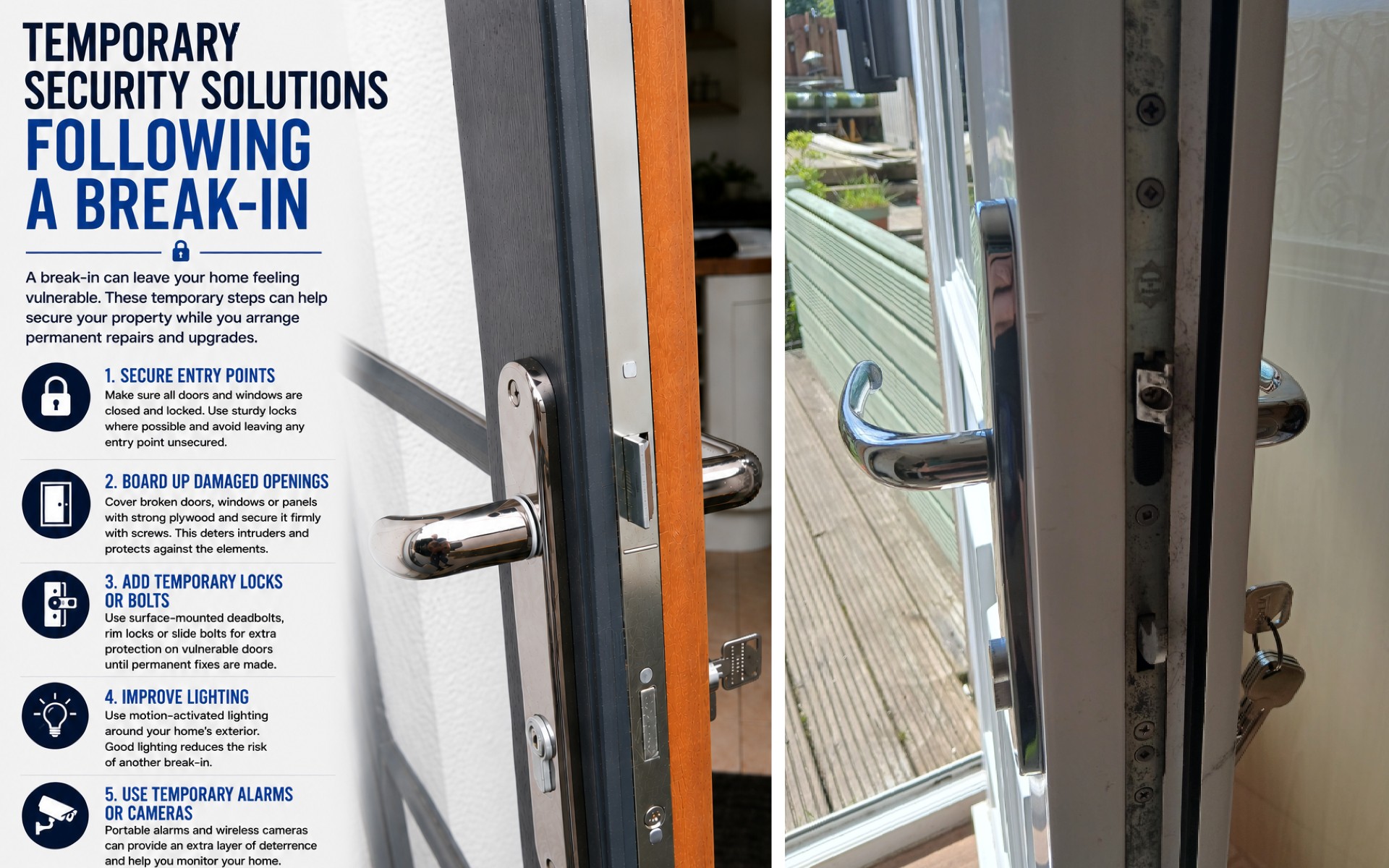
Rather than leaving the property vulnerable, temporary security measures may include:
- Overnight locks.
- Additional locking devices.
- Temporary boarding.
- Alternative locking arrangements.
This allows homeowners to remain secure while waiting for genuine replacement components.
Check Door Alignment After Repairs
Forced entry can knock doors out of alignment.
Once repairs have been completed, it's important to check:
- Door alignment.
- Hinge condition.
- Lock operation.
- Keep positioning.
- Multipoint mechanism operation.
Correct alignment reduces strain on the locking system and helps prevent future failures.
Keep Records for Your Insurance Company
If you're making an insurance claim, keep a record of:
- Photographs of the damage.
- Police crime reference number.
- Locks replaced.
- Temporary repairs completed.
- Receipts and invoices.
- Any security upgrades installed.
This information can help support your claim and demonstrate the steps taken to secure the property.
Repair Before You Replace
Many homeowners assume a damaged door automatically needs replacing.
In reality, many burglary-related faults can be repaired by replacing:
- Lock cylinders.
- Gearboxes.
- Multipoint mechanisms.
- Mortice locks.
- Handles.
- Hinges.
- Damaged door furniture.
Repairing the damaged components is often much more cost-effective than installing a completely new door.
Conclusion
After a break-in, the priority is restoring your home's security as quickly as possible. Whether that involves replacing damaged locks, boarding a door, securing broken windows or fitting temporary overnight locks, prompt action helps protect your property and gives you peace of mind. In many cases, the existing door can be repaired rather than replaced, and upgrading to modern security hardware at the same time can help reduce the risk of future break-ins.