The problem: an unreliable storm door lock
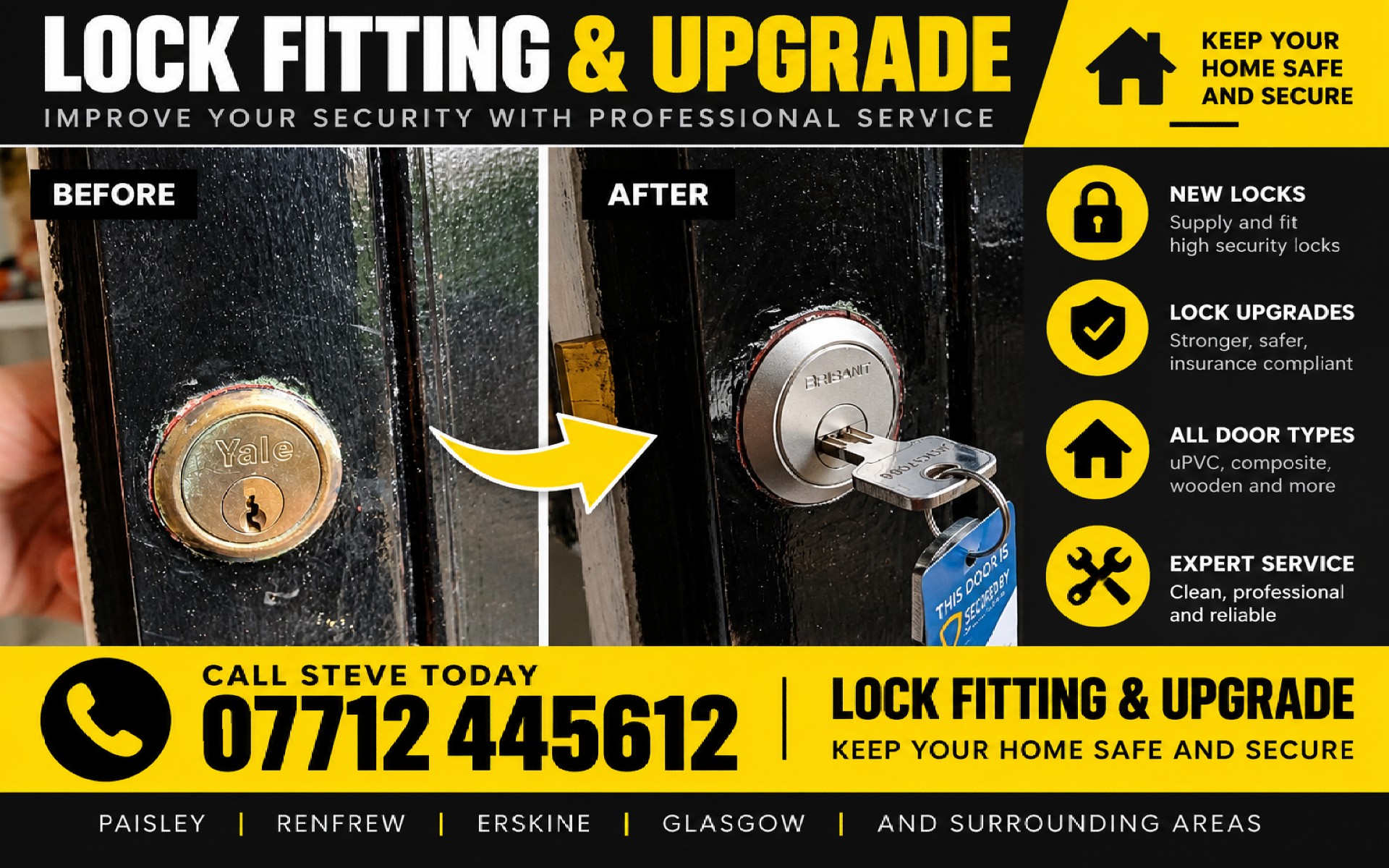
I attended a property in Glasgow's West End after the owner reported problems with the lock on their storm door.
A storm door provides an additional layer at the entrance to a property, but its security depends on the quality and condition of the locking hardware fitted to it. If the lock is unreliable or offers little resistance to manipulation, the door may provide less protection than the homeowner expects.
During my assessment, I identified that the existing lock offered limited protection against manipulation. It also did not meet the security requirements the homeowner wanted from the door.
I explained the limitations and recommended upgrading the lock rather than continuing to rely on the existing arrangement. After discussing the proposed solution, the homeowner decided to go ahead.
The upgrade: high-security cylinder and rollerbolt nightlatch
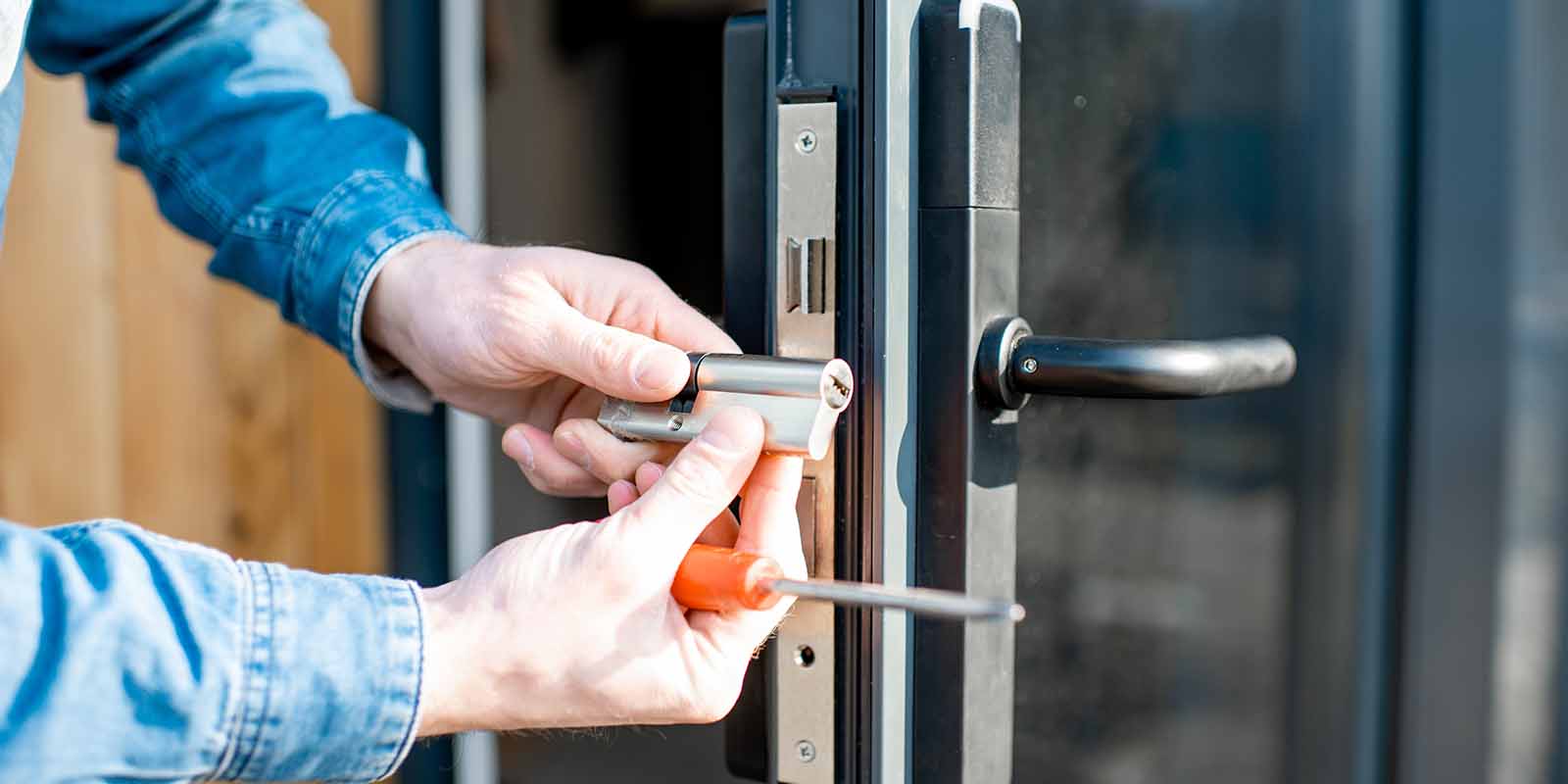
I fitted a high-security locking cylinder and a rollerbolt nightlatch to the storm door.
These components provide different but complementary functions.
High-security locking cylinder
The cylinder is the part of the lock operated by the key. A suitable high-security cylinder can provide improved resistance to particular forms of attack and manipulation, depending on its design and tested features.
Choosing the right cylinder matters because not all cylinders offer the same level of protection. Features vary between products, so it is important to select hardware appropriate for the door and the intended level of security.
A cylinder should also be fitted correctly. Even a quality product needs suitable installation to work reliably and provide the protection for which it was designed.
Rollerbolt nightlatch
A nightlatch is fitted to the inside face of a door and operates with a corresponding keep on the frame. The rollerbolt helps the latch engage with the keep as the door closes.
The roller mechanism allows the latch to engage with the frame while the door is brought shut. Depending on the model, the nightlatch can then be operated using its key and internal controls.
The important point is that the lock must be suitable for the door and correctly aligned with its keep. If the latch meets resistance or does not engage properly, the door may not secure reliably.
Why the correct installation matters
Upgrading the hardware is only part of the job. The cylinder, nightlatch, door and frame need to work together as a system.
The lock must be positioned correctly, the cylinder must operate smoothly, and the rollerbolt must engage properly with the keep. Poor positioning or misalignment can affect operation and place unnecessary strain on the locking components.
A lock that feels stiff or does not engage consistently should be assessed rather than forced. Difficult operation can indicate an installation issue, a problem with the door or frame, or a fault within the lock itself.
In this case, the objective was to replace the inadequate existing arrangement with more suitable locking hardware and improve the security of the storm door.
The result: improved security and peace of mind
With the high-security cylinder and rollerbolt nightlatch fitted, the homeowner had an improved locking arrangement and greater confidence in the door's security.
The upgrade provided key-controlled access and better protection than the previous lock against the types of manipulation the new hardware was designed to resist.
It is important to remember that no single lock makes a door impossible to attack. Overall security also depends on the door's construction, frame, fixings and the quality of the installation. Likewise, fitting a high-security cylinder and nightlatch does not automatically make the complete door insurance-approved; that depends on the relevant policy requirements and the exact lock specification.
Nevertheless, selecting more appropriate hardware is a worthwhile step when an existing lock is unreliable or offers inadequate protection.
Conclusion
This Glasgow West End job began with a storm door lock that was not working properly and offered limited protection against manipulation. After explaining the shortcomings of the existing lock, I recommended a high-security cylinder and rollerbolt nightlatch.
The homeowner accepted the recommendation, and I completed the upgrade to improve the door's locking arrangement and provide greater peace of mind.
At A.L.S. Locksmiths, the aim is to identify where security can be improved and recommend hardware that suits the door and the homeowner's needs. A lock upgrade is not simply about fitting a new product; it is about choosing appropriate components and ensuring they work correctly together.
For advice on changing locks and improving entrance security, visit the A.L.S. Locksmiths house lock change service page.