Introduction
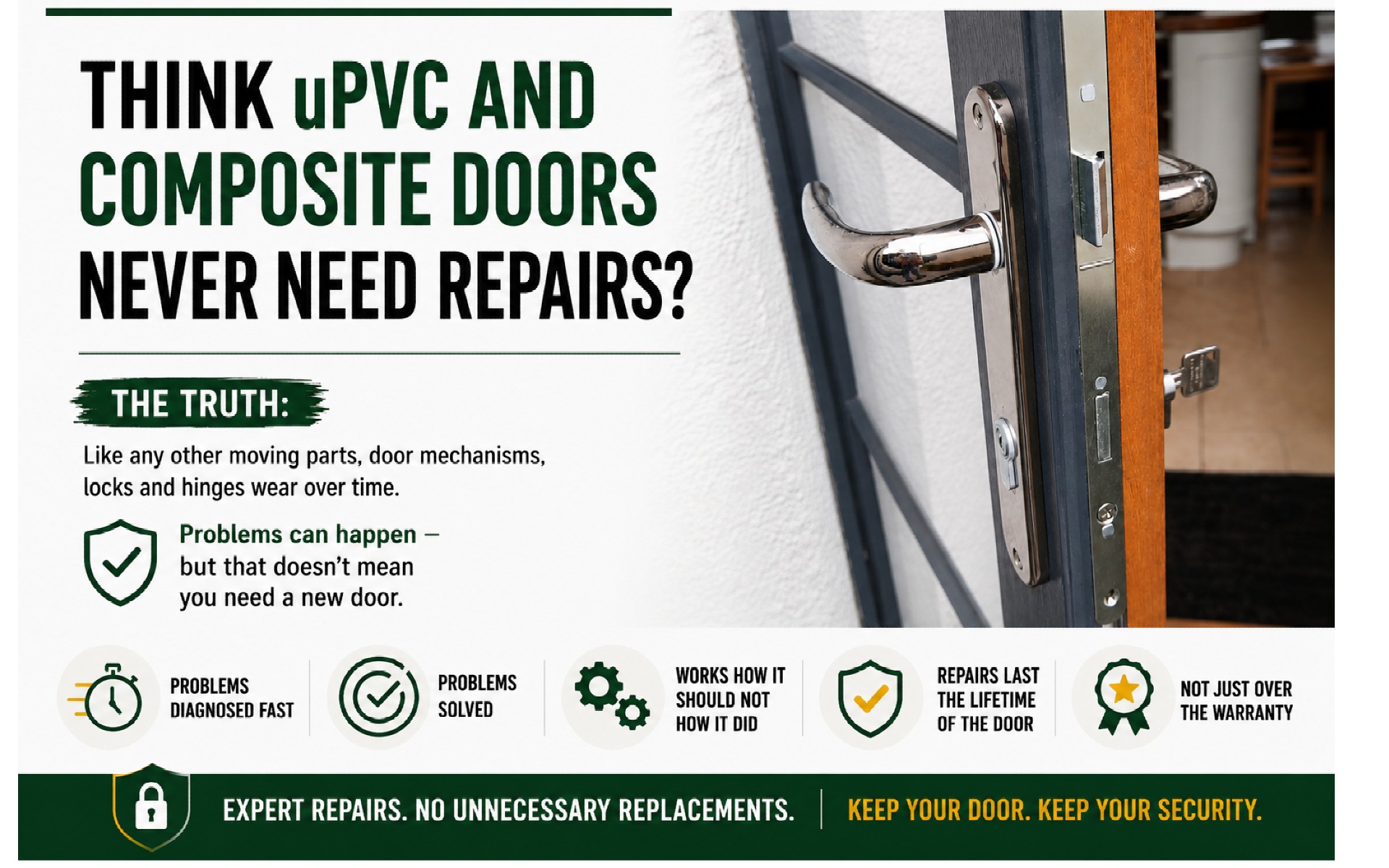
One of the biggest myths surrounding modern doors is that once a uPVC or composite door has been installed, it will never need repairing.
While these doors are designed to be durable, secure and far lower maintenance than traditional timber doors, they're still made up of mechanical components that experience wear every time the door is opened, closed, locked or unlocked.
Like any mechanical system, parts eventually reach the end of their working life. The good news is that, in most cases, those individual components can be repaired or replaced without the expense of fitting a completely new door.
Understanding how modern doors work—and recognising the early signs of wear—can help homeowners avoid unexpected lock failures and significantly extend the life of their existing door.
Modern Doors Are Built to Last
Quality uPVC and composite doors are designed to provide many years of reliable service.
The door itself is usually extremely durable and resistant to problems such as:
- Rot.
- Warping.
- Corrosion.
- Weather damage.
- General deterioration.
However, while the door panel may remain in excellent condition for decades, the mechanical components fitted to it naturally experience wear through everyday use.
In most cases, it's these replaceable parts—not the door itself—that eventually require attention.
Your Door Is More Than Just a Door
Many homeowners think of their entrance door as a single unit.
In reality, it's a collection of individual components working together.
These typically include:
- Multipoint locking mechanism.
- Centre case (gearbox).
- Euro cylinder.
- Door handles.
- Hinges.
- Keeps fitted to the frame.
- Weather seals.
- Locking points including hooks, rollers and deadbolts.
Every time you operate the door, each of these components performs a specific function.
If one part begins to wear, it can place additional strain on the rest of the locking system.
Mechanical Components Naturally Wear
A front or back door may be opened and closed several times every day.
Over the course of a year, that's often thousands of operating cycles.
Eventually it's perfectly normal for mechanical components to show signs of wear.
Common parts that may eventually require replacement include:
- Gearboxes.
- Euro cylinders.
- Door handles.
- Return springs.
- Hooks and rollers.
- Locking points.
- Hinges.
Needing to replace one of these components doesn't mean the door has failed—it simply reflects normal mechanical wear over time.
Doors Move Over Time
One of the biggest surprises for many homeowners is learning that doors gradually move throughout their lifetime.
This movement can result from:
- Everyday use.
- The weight of the door.
- Worn hinges.
- Seasonal expansion and contraction.
- Minor movement within the building.
- General ageing of components.
Even a movement of only a few millimetres can affect how smoothly the locking mechanism operates.
A door that was perfectly aligned when installed may eventually require adjustment to continue operating correctly.
Why Alignment Matters
Poor door alignment is one of the most common causes of lock problems.
When a door drops slightly:
- Hooks no longer align perfectly with the keeps.
- Rollers begin rubbing against the frame.
- The gearbox experiences additional strain.
- Door handles become harder to lift.
- The key becomes more difficult to turn.
The lock itself may still be in perfectly good condition—it simply has to work much harder because the door is no longer correctly aligned.
Correcting the alignment often removes this unnecessary strain and helps extend the life of every moving component.
Small Problems Usually Come First
Modern locking systems rarely fail without warning.
Long before a gearbox or multipoint locking mechanism breaks completely, the door usually develops symptoms such as:
- The handle becoming stiff.
- The key becoming difficult to turn.
- The handle failing to spring back.
- The door catching on the frame.
- Needing to push, pull or lift the door while locking it.
- Locking points feeling rough during operation.
These warning signs shouldn't be ignored.
Addressing them early often prevents much more expensive repairs later.
Repairs Are Usually More Cost-Effective Than Replacement
One of the biggest misconceptions surrounding modern doors is that a failed lock automatically means replacing the complete door.
In reality, most faults involve replaceable components.
Common repairs include replacing:
- The gearbox.
- The multipoint locking mechanism.
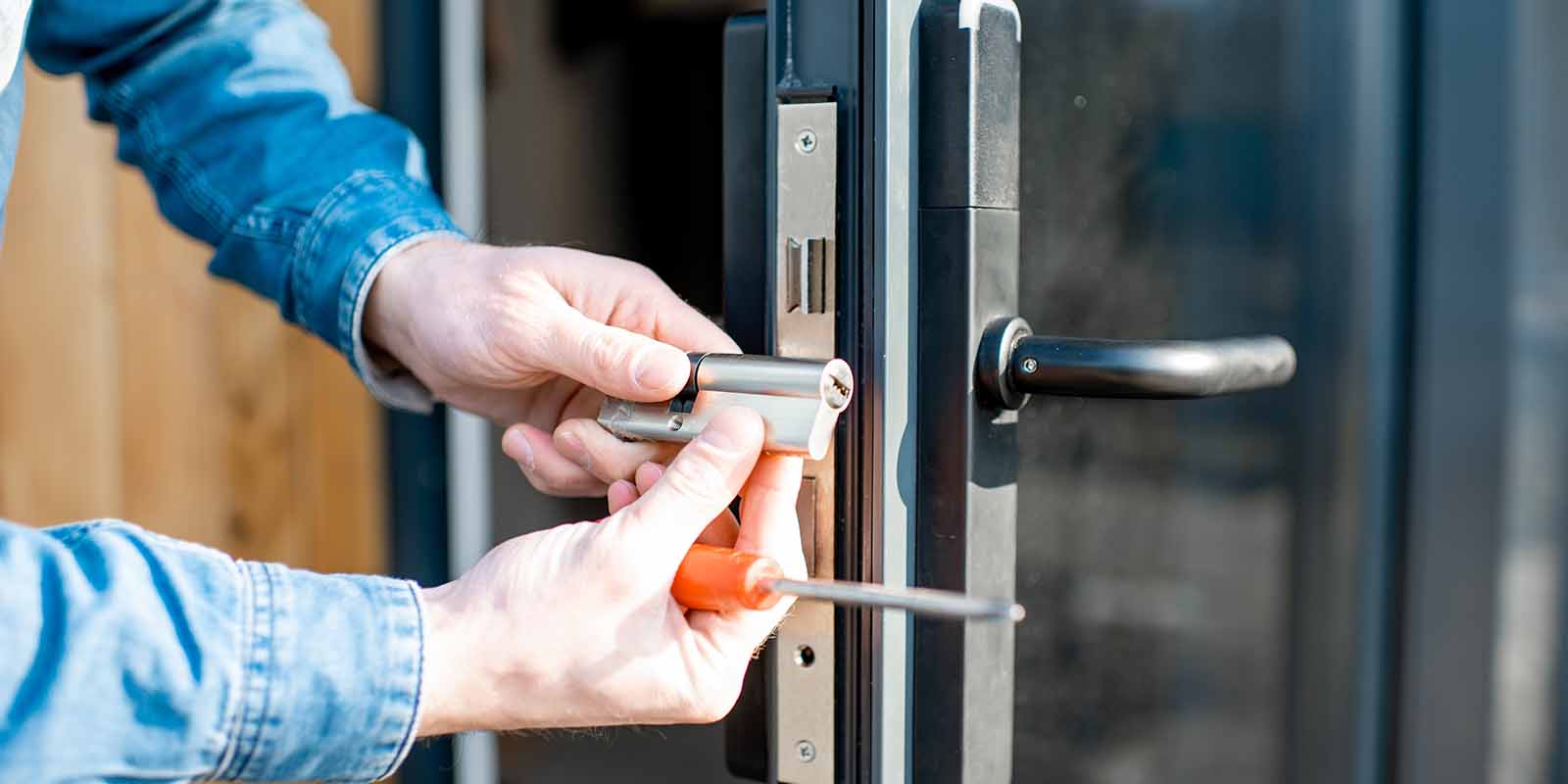
- The euro cylinder.
- Door handles.
- Hinges where necessary.
Combined with proper door realignment, these repairs frequently restore the door to smooth, reliable operation for a fraction of the cost of replacement.
Simple Maintenance Makes a Big Difference
Although uPVC and composite doors require much less maintenance than timber doors, they are not maintenance-free.
Simple preventative maintenance can significantly extend the life of the locking system.
Good practice includes:
- Keeping locking points clean.
- Lubricating moving components with an appropriate lock lubricant.
- Tightening loose handles.
- Checking for changes in door alignment.
- Having stiffness investigated early.
- Avoiding forcing a stiff handle or key.
A few minutes of maintenance can often prevent major repairs later.
Don't Replace a Good Door
Many homeowners are advised to replace an entire door when only one mechanical component has failed.
In many situations, this simply isn't necessary.
If the door remains:
- Structurally sound.
- Secure.
- Weatherproof.
- Free from significant damage.
repairing or replacing worn components is often the more sensible and economical solution.
Keeping a quality door while replacing individual parts frequently provides many more years of reliable service.
Experience Makes the Difference
Replacing a worn component is only part of a successful repair.
Equally important is understanding why it failed.
An experienced locksmith will normally assess:
- Door alignment.
- Hinge condition.
- Gearbox operation.
- Euro cylinder.
- Door handles.
- Multipoint locking mechanism.
- Locking point engagement.
- Overall operation of the complete door.
Only after identifying the underlying cause should replacement parts be recommended.
This approach helps prevent repeat failures and ensures repairs last as long as possible.
Prevention Is Better Than Emergency Repairs
Many expensive repairs begin as relatively minor issues that were ignored.
A stiff handle today could become a failed gearbox in a few months.
A door that's slightly dropped today could eventually damage the locking mechanism, handles and cylinder through repeated strain.
Having minor faults investigated early often avoids:
- Emergency lock failures.
- Doors becoming impossible to secure.
- More extensive component replacement.
- Higher repair costs.
Regular maintenance and early diagnosis are almost always the most economical approach.
Conclusion
uPVC and composite doors are designed to provide many years of dependable service, but like any mechanical system, they still require occasional maintenance and repair. While the door itself is usually built to last, components such as the gearbox, multipoint locking mechanism, euro cylinder, hinges and door handles naturally wear over time through everyday use.
Fortunately, most of these parts can be repaired or replaced without replacing the entire door. By recognising early warning signs, maintaining the locking system and correcting issues such as poor alignment before they cause further damage, homeowners can avoid unnecessary expense and significantly extend the life of their existing door.
Looking after a modern door isn't about constant maintenance—it's about dealing with small problems before they become major ones. In most cases, a timely repair today can prevent a much more costly replacement tomorrow.
Frequently Asked Questions
Do uPVC doors need maintenance?
Yes. Although uPVC doors require far less maintenance than timber doors, the moving parts still benefit from regular inspection, cleaning and lubrication to help prevent premature wear.
Why has my door become difficult to lock?
Common causes include poor door alignment, worn hinges, a failing gearbox, a worn multipoint locking mechanism or a faulty euro cylinder. A proper inspection should identify the underlying cause.
Does a broken lock mean I need a new door?
Usually not. Most locking problems involve replaceable components rather than the door itself. Repairing the faulty parts is often much more cost-effective than replacing the complete door.
How can I make my door last longer?
Regular maintenance, avoiding excessive force, lubricating moving parts, correcting alignment problems early and dealing with warning signs before components fail will all help extend the life of your door.
What are the first signs that my door needs attention?
A stiff handle, a difficult key, the handle not springing back, the door rubbing on the frame or needing to lift or pull the door while locking are all signs that the door should be inspected before further damage occurs.