Introduction
When a door becomes difficult to lock, many homeowners naturally assume the lock has worn out and needs replacing. It's an understandable conclusion—the key is harder to turn, the handle feels stiff, or the lock simply isn't working as it once did.
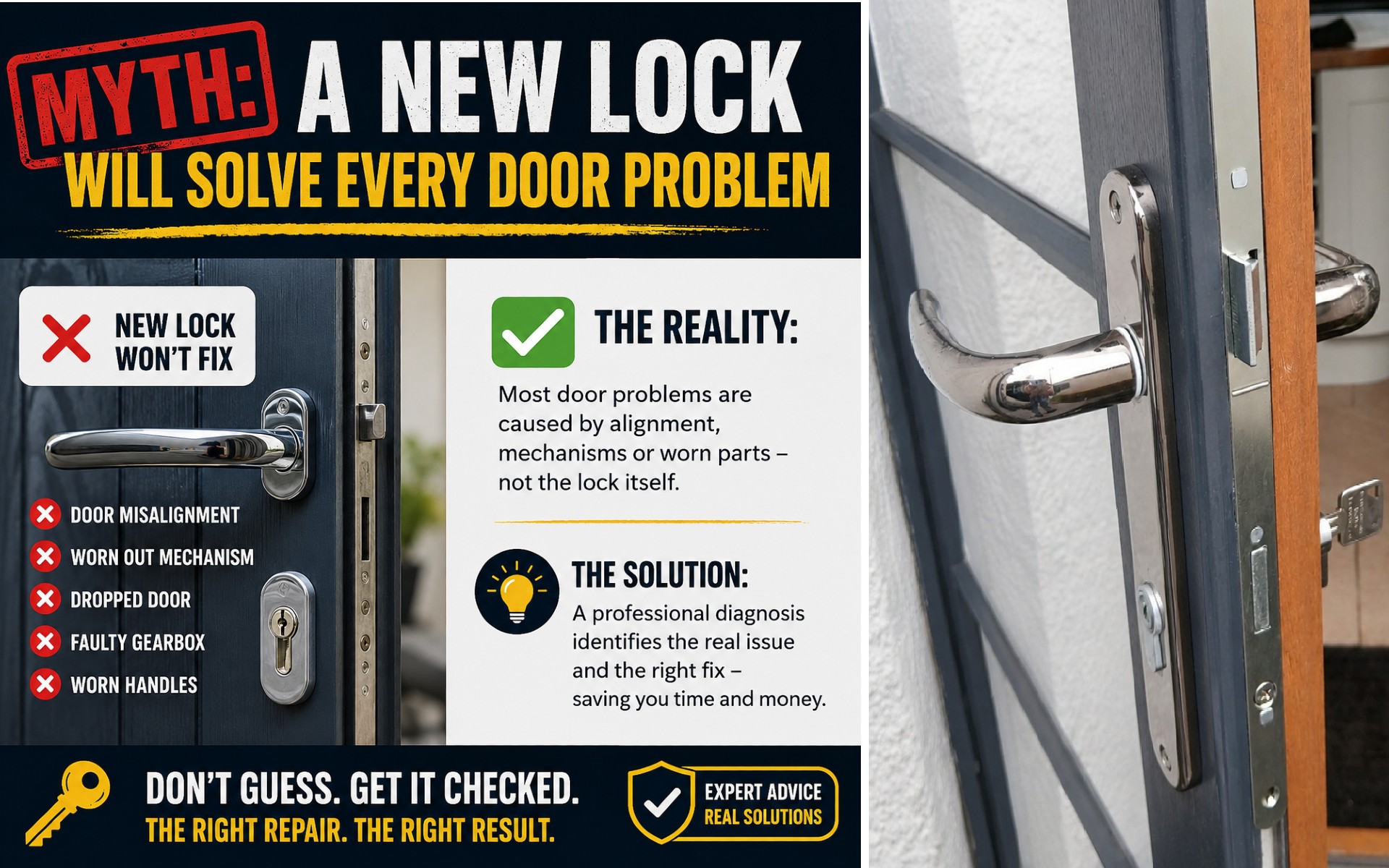
However, replacing the lock doesn't always solve the problem.
In fact, many lock-related faults are caused by issues elsewhere on the door. Fitting a new lock without identifying the underlying cause often results in the same symptoms returning, leading to unnecessary expense and frustration.
The Lock Is Often the Symptom, Not the Cause
A quality lock is designed to operate smoothly with very little resistance.
If your door suddenly becomes difficult to lock, it's often because another component has changed or worn over time, forcing the locking system to work much harder than it was designed to.
Common causes include:
- A dropped door
- Poor door alignment
- Worn or loose hinges
- A failing gearbox
- A worn multipoint locking mechanism
- Damaged or worn door handles
- Locking points rubbing against the keeps
In these situations, the lock isn't necessarily faulty—it's simply working under excessive strain.
A New Cylinder Won't Fix a Dropped Door
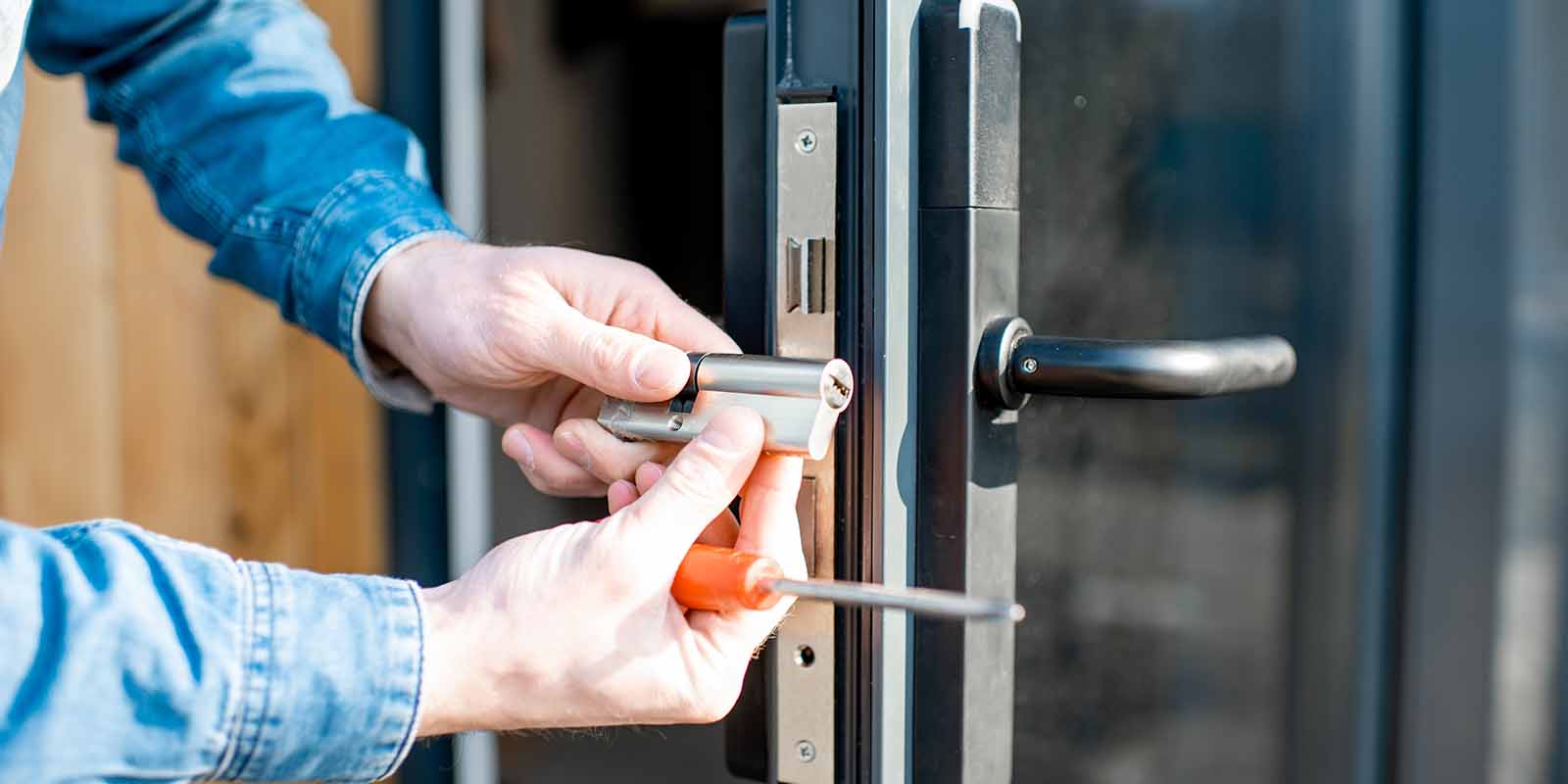
One of the most common mistakes is replacing the euro cylinder because the key has become difficult to turn.
If the door has dropped even a few millimetres, pressure is transferred through the locking mechanism and into the cylinder. The key feels stiff, but the cylinder is only reacting to the resistance elsewhere in the door.
Replacing it without correcting the alignment means the new cylinder will be subjected to exactly the same strain as the old one.
The Gearbox May Be the Real Fault
Many homeowners assume the cylinder is responsible when the door won't lock or unlock, but the gearbox is often the component that has actually failed.
Typical signs include:
- The handle moves but nothing happens.
- The key turns but the locking points don't move.
- The handle becomes increasingly stiff.
- The door won't lock or unlock properly.
- The locking points remain engaged.
If the gearbox has failed, replacing the cylinder won't restore the operation of the locking mechanism.
Poor Alignment Causes Premature Wear
Doors naturally move over time through everyday use, the weight of the door, seasonal expansion and contraction, and general settlement of the property.
Even slight movement can cause the locking points to rub against the frame every time the handle is lifted.
This extra resistance can lead to:
- Heavy handle operation
- Stiff keys
- Increased gearbox wear
- Premature multipoint mechanism failure
- Difficulty locking and unlocking
Many locking systems fail not because they're poor quality, but because they've been operating under unnecessary pressure for months or even years.
The Handles Aren't Always to Blame
Handles are another component that's frequently replaced unnecessarily.
If a handle becomes loose, droops, or doesn't spring back properly, it's easy to assume the handle itself has failed.
Sometimes that's true.
However, similar symptoms can also be caused by:
- A worn gearbox
- Excessive pressure from a dropped door
- A failing multipoint locking mechanism
- Internal wear within the lock
Replacing the handles may improve the appearance of the door, but it won't resolve faults inside the locking mechanism.
Don't Replace Parts by Guesswork
Many homeowners end up replacing several components before discovering the real fault.
This often means paying for:
- A new cylinder
- New handles
- Additional labour
- Replacement parts that weren't actually needed
A proper diagnosis identifies exactly which components have failed before any replacement parts are fitted.
Correct Diagnosis Saves Money
An experienced locksmith will assess the complete door, including:
- Door alignment
- Hinges
- Lock cylinder
- Gearbox
- Multipoint locking mechanism
- Handles
- Locking points and keeps
Looking at the entire locking system rather than a single component usually results in a quicker, more reliable and more cost-effective repair.
Repair the Cause, Not Just the Symptom
Replacing a worn component is only half the job.
For example, fitting a new gearbox without correcting a dropped door means the replacement gearbox will immediately begin working under the same excessive strain that caused the original failure.
A proper repair addresses both the failed component and the reason it failed.
That approach:
- Restores smooth operation.
- Reduces unnecessary wear.
- Improves security.
- Extends the life of the replacement parts.
- Helps prevent the same fault returning.
Most Doors Can Be Repaired
Many homeowners are surprised to discover they don't need:
- A new lock
- A complete locking mechanism
- Or a replacement door
In many cases, replacing the correct component and realigning the door restores smooth, reliable operation at a fraction of the cost of replacing the entire door.
Conclusion
A new lock isn't the answer to every door problem. While cylinders, gearboxes and multipoint locking mechanisms do eventually wear out, they're often the victims of poor alignment, worn hinges or excessive strain rather than the original cause of the fault.
The most effective repair starts with accurate diagnosis. By identifying why the problem occurred, replacing only the components that have genuinely failed, and ensuring the door is correctly aligned afterwards, you can restore reliable operation, improve security and avoid spending money on unnecessary replacement parts.