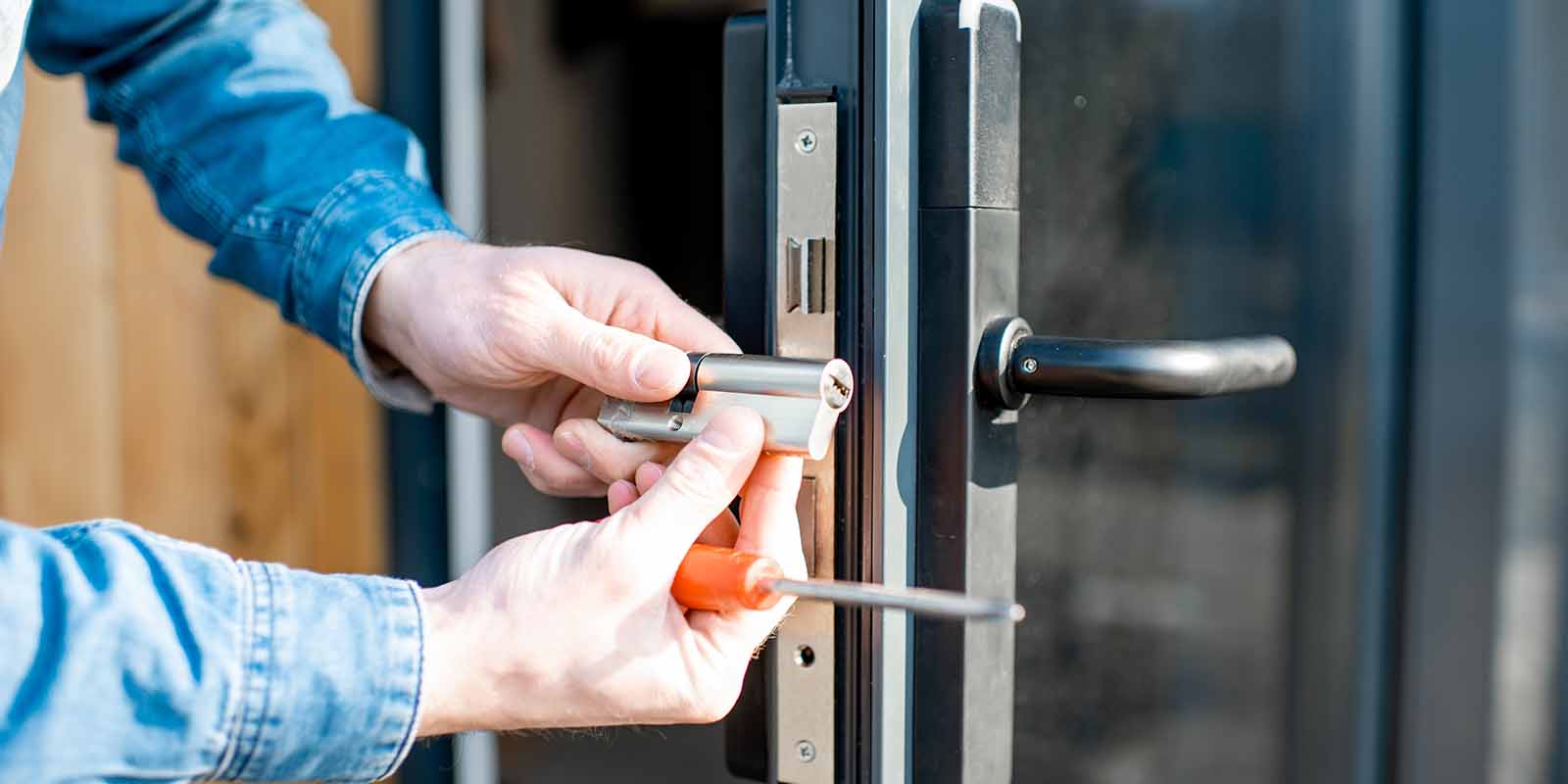
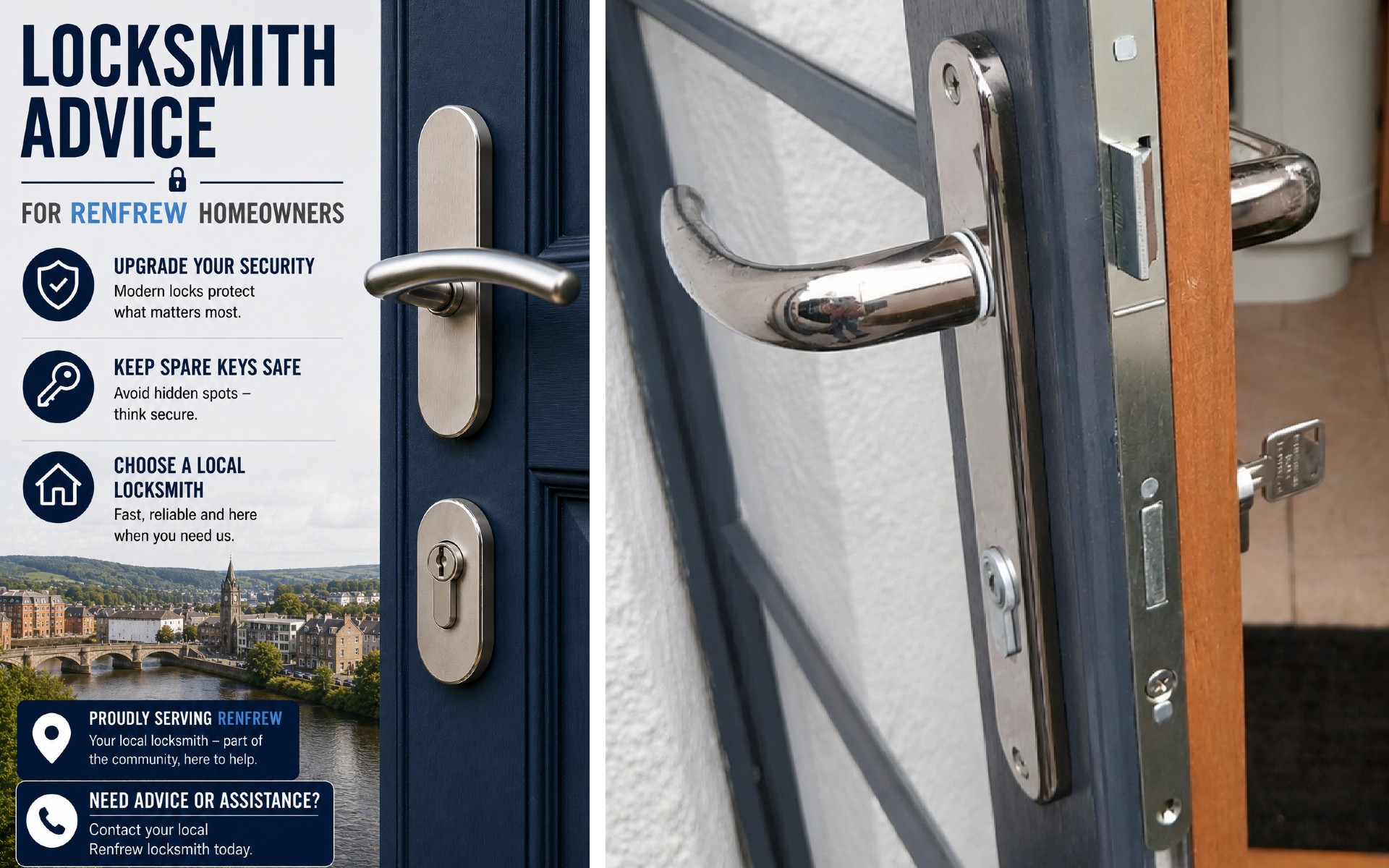
Your home's locks do much more than keep the door shut—they protect your family, your belongings, and your peace of mind. Like any mechanical device, locks and door mechanisms wear over time, and recognising the warning signs early can help you avoid expensive repairs and unexpected lockouts.
Whether your property has uPVC, composite, French, conservatory, or timber doors, a little preventative maintenance can make a big difference.
Your Door Should Lock Without Effort
Locking your door should feel smooth and natural.
If you find yourself:
- Lifting the handle harder than usual
- Turning the key more than once
- Pulling the door into position
- Pushing firmly before it locks
- Feeling resistance when unlocking
it's likely that something isn't working as it should.
Ignoring these signs often allows minor faults to become major repairs.
Check the Door Gaps
One of the easiest ways to spot a developing problem is by looking at the gaps around the door.
If you notice:
- Uneven gaps
- The door rubbing the frame
- Light visible on one side
- Scrape marks near the locking points
the door may have moved out of alignment.
A properly aligned door reduces wear on every part of the locking system.
Locks Wear Gradually
Most lock failures happen because components have been wearing for months or even years.
Parts that commonly require replacement include:
- Lock cylinders
- Gearboxes
- Multipoint locking mechanisms
- Door handles
- Hinges
Replacing worn components early is usually much more economical than waiting for complete failure.
Check Doors That Aren't Used Every Day
Some external doors are only opened occasionally.
These might include:
- Conservatory doors
- French doors
- Side entrances
- Garage access doors
Because they're used less often, faults can go unnoticed until you suddenly need them.
Operate every external door regularly to make sure everything still works smoothly.
Don't Keep Using Force
If your lock has become stiff, forcing it isn't the answer.
Repeatedly forcing the handle or key can damage:
- The gearbox
- The lock cylinder
- The locking points
- Door handles
A repair that may have involved one component can quickly become a much larger job.
Upgrade Security When Parts Are Replaced
If you're replacing worn lock components, it's worth considering whether your home's security could also be improved.
Modern replacements can include:
- Snap-resistant lock cylinders
- High-security door handles
- Insurance-approved locks
- Updated multipoint locking mechanisms
Security improvements are often straightforward when repairs are already being carried out.
Good Repairs Include Door Realignment
A replacement gearbox or locking mechanism should never be fitted without checking the door itself.
If the door has dropped or moved, the new parts will continue working under unnecessary strain.
Checking:
- Door alignment
- Hinge adjustment
- Lock engagement
- Handle operation
helps ensure the repair lasts as long as possible.
A New Door Is Rarely the First Answer
Many homeowners worry that a faulty lock means replacing the entire door.
In reality, most problems are caused by worn mechanical components rather than the door itself.
Repairs commonly involve:
- Realigning the door
- Replacing a gearbox
- Installing a new multipoint mechanism
- Replacing the lock cylinder
- Fitting new sprung handles
These repairs usually restore both security and smooth operation without the expense of a replacement door.
Looking After Your Locks Saves Money
The best way to avoid emergency locksmith call-outs is to deal with problems while they're still small. A door that has become slightly harder to lock today could become completely jammed tomorrow. By having minor faults diagnosed and repaired early, you can improve your home's security, extend the life of your doors, and avoid unnecessary replacement costs.