Keeping your home secure starts with making sure your doors lock properly every time you use them. Many homeowners don't realise their lock is developing a fault until the key won't turn or the handle won't move. In reality, most locks give plenty of warning before they fail.
Whether your property has uPVC, composite, French, or traditional timber doors, recognising these early signs can help you avoid an inconvenient and often more expensive repair.
Test Your Locks Regularly
It's easy to overlook doors that aren't used every day.
Every few weeks, check that:
- The key turns smoothly.
- The handle lifts easily.
- The door closes without force.
- The lock engages first time.
- All locking points operate correctly.
A lock that's only used occasionally can still develop problems.
A Door Shouldn't Need Persuading
If you have to:
- Push the door hard to close it.
- Pull it towards you before locking.
- Lift the handle with extra force.
- Slam the door before it locks.
there's usually an underlying issue that should be investigated.
These are often signs of poor alignment rather than a faulty lock.
Look After the Whole Locking System
Your locking system is made up of several components working together.
These include:
- The lock cylinder
- The gearbox
- The multipoint mechanism
- The handles
- The hinges
- The keeps
If one part begins to wear, it can place extra strain on the others.
Check for Wear Around the Handles
Door handles often show the first signs of a developing problem.
Look for:
- Handles that wobble
- A handle that doesn't spring back
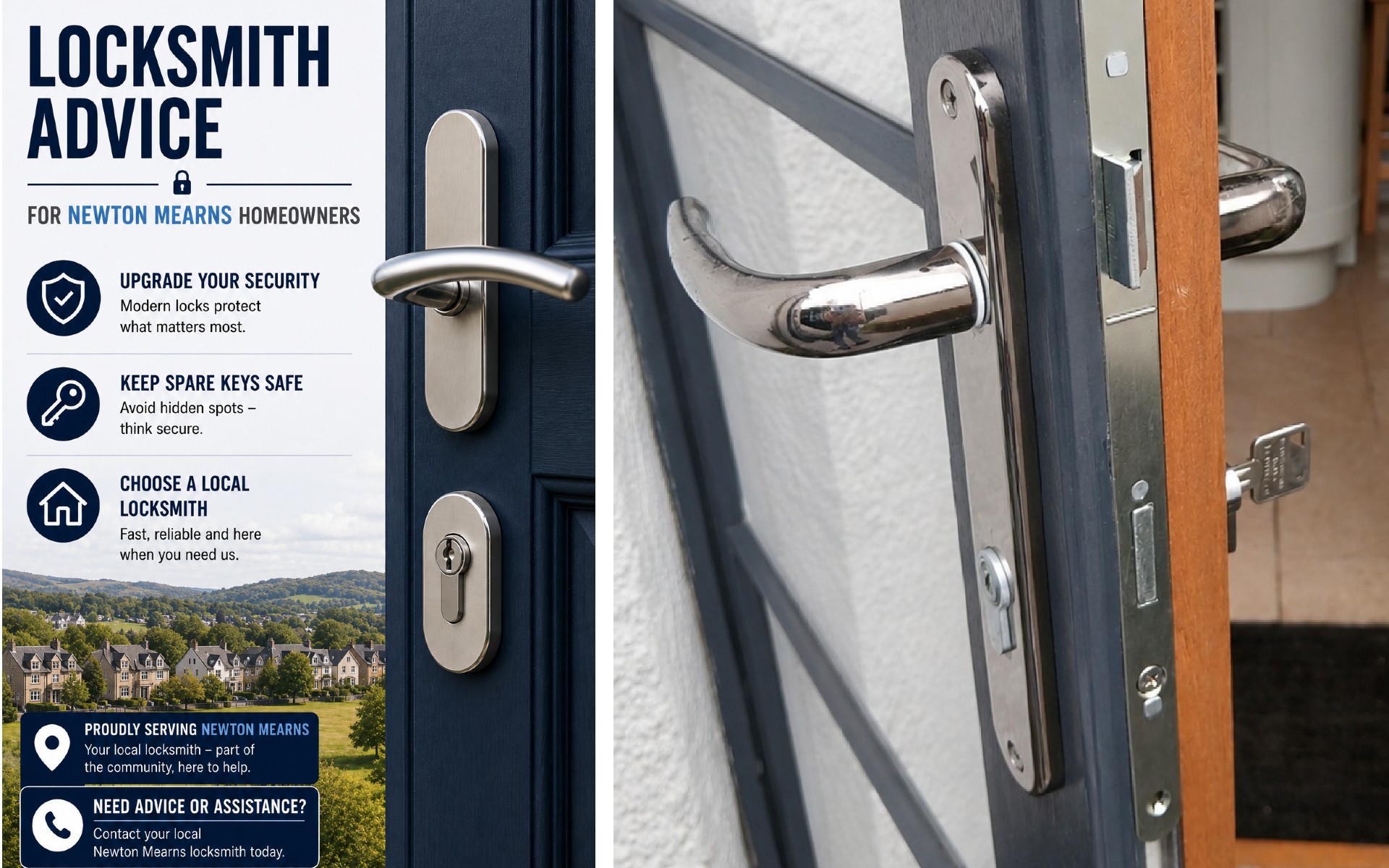
- Loose backplates
- Cracks around the fixings
Sometimes the handle itself has worn, but it can also indicate strain from the locking mechanism.
Don't Keep Forcing a Stiff Lock
Many homeowners continue using extra force because the lock still works.
Unfortunately, this often causes:
- Gearbox failure
- Broken handles
- Worn locking points
- Snapped keys
- Damage to the lock cylinder
A lock that becomes progressively stiffer should be inspected before further damage occurs.
Upgrading Can Improve Security
If your locks are older, replacing worn components with modern security products can improve both reliability and protection.
Depending on your door, this could include:
- Snap-resistant cylinders
- High-security mortice locks
- Security door handles
- Replacement multipoint mechanisms
Often, these upgrades can be carried out without replacing the door itself.
Quality Repairs Solve the Cause
A professional repair should focus on why the fault developed.
For example, replacing a worn gearbox without correcting a dropped door means the replacement will continue working under unnecessary strain.
Checking alignment, hinge condition, and lock operation should all form part of the repair.
Most Doors Can Be Repaired
A faulty lock doesn't automatically mean a new door is needed.
Many common problems are resolved by:
- Door realignment
- Gearbox replacement
- Multipoint mechanism replacement
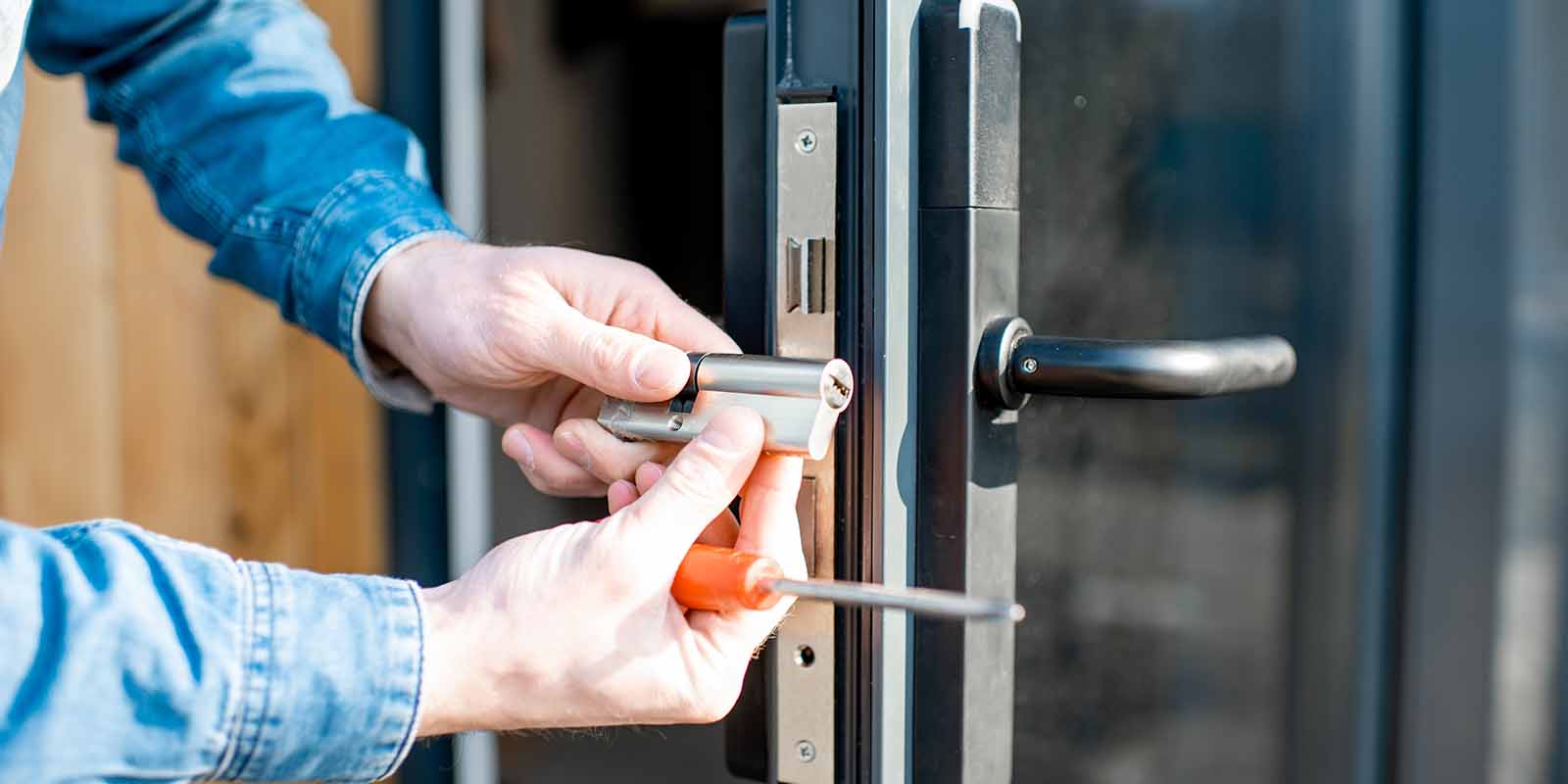
- Lock cylinder replacement
- Handle replacement
Repairing the existing door is usually quicker, less disruptive, and considerably more affordable than replacing it.
Looking After Your Home Starts at the Front Door
The best time to repair a lock is before it fails completely. If your door feels different to operate, don't assume it's simply getting older. Small changes in how a lock, handle, or door behaves are often early warning signs of wear. Dealing with these issues promptly can help prevent emergency lockouts, improve your home's security, and extend the life of your doors and locking systems.