Your door locks are used every day, yet they're often one of the most overlooked parts of a home. A lock doesn't usually fail without warning. In most cases, there are early signs that something needs attention, and dealing with them promptly can help avoid emergency repairs and unnecessary expense.
Whether your home has a timber front door, modern composite door, or uPVC French doors, keeping your locking systems in good condition is an important part of home security.
Check How Your Door Closes
One of the simplest checks you can make is how easily the door closes.
A healthy door should:
- Close without resistance
- Latch properly first time
- Lock without needing force
- Open smoothly
- Feel the same every time it's used
If the door starts behaving differently, it's usually worth investigating before the problem becomes worse.
Don't Assume the Lock Has Failed
A lock that feels stiff isn't always worn out.
The real cause may be:
- A door that's dropped slightly
- Hinges that need adjustment
- Misaligned locking points
- Pressure on the lock caused by the frame
Identifying the cause is more important than simply replacing parts.
Pay Attention to the Handle
Your door handle often provides the first clue that something isn't right.
Look for:
- A handle that sags
- Excessive movement
- A handle that doesn't return properly
- A loose backplate
While worn handles are common, they can also indicate that the locking mechanism is under strain.
Every External Door Should Be Checked
Many homeowners only think about their front door.
It's equally important to inspect:
- Back doors
- French doors
- Conservatory doors
- Patio doors
- Garage access doors
Every external entrance should lock securely and operate smoothly.
Replace Parts Before They Break
Most locking systems are made up of components that wear independently.
These include:
- Lock cylinders
- Gearboxes
- Multipoint locking mechanisms
- Door handles
Replacing worn parts before they fail completely often prevents damage to the rest of the locking system.
Security Isn't Just About New Locks
Fitting a new lock doesn't automatically solve every security issue.
A secure door also relies on:
- Correct alignment
- Strong hinges
- Good quality handles
- A properly operating multipoint mechanism
- A correctly fitted lock cylinder
All of these parts work together to keep your home secure.
Realignment Can Extend the Life of Your Lock
If a gearbox or multipoint mechanism has been replaced, the door should always be checked for alignment afterwards.
A correctly aligned door allows:
- Smooth handle operation
- Easy key movement
- Even engagement of the locking points
- Reduced wear on moving parts
- Longer-lasting repairs
Ignoring the alignment means the new components may suffer the same unnecessary strain that caused the original failure.
Most Lock Problems Don't Need a New Door
It's a common misconception that a faulty lock means replacing the entire door.
In reality, many problems can be resolved by:
- Adjusting the door
- Replacing the gearbox
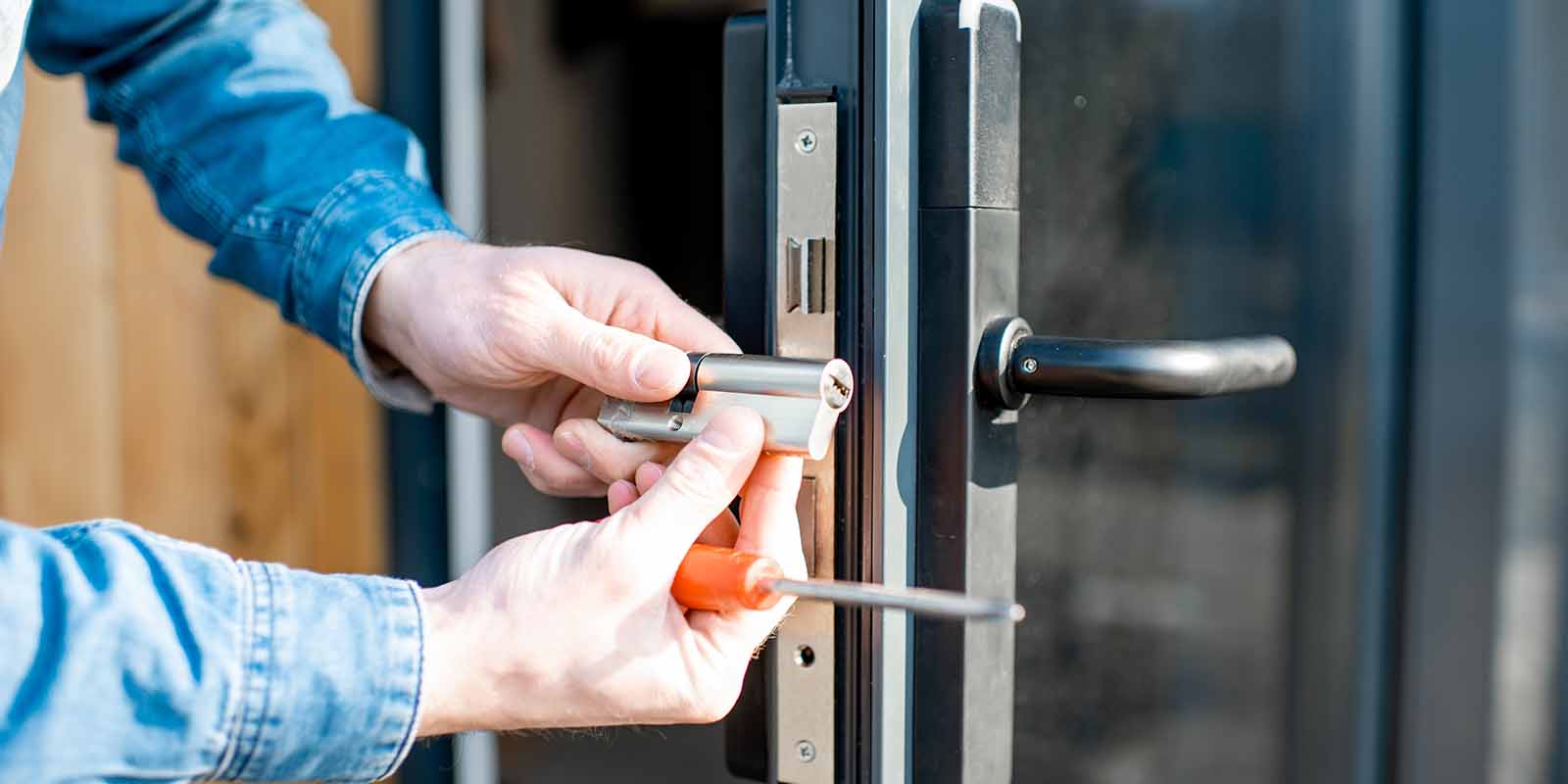
- Fitting a new lock cylinder
- Replacing the multipoint mechanism
- Installing new handles
These repairs are usually completed far more quickly and at a much lower cost than fitting a replacement door.
A Little Maintenance Goes a Long Way
Taking a few minutes to check how your doors operate can save a great deal of inconvenience later. A lock that feels slightly different today could become a complete lockout tomorrow. By recognising the early warning signs and dealing with problems before they develop, you can keep your doors secure, extend the life of your locking systems, and avoid unnecessary repair costs.