Whether you live in a modern housing development, a traditional sandstone property, or an older family home in Johnstone, your doors and locks are your home's first line of defence. Most lock and door problems develop gradually, giving you plenty of warning before they become an expensive emergency.
Here are some practical tips to help keep your home secure and your doors working reliably.
Don't Ignore a Stiff Lock
If your key is becoming harder to turn, don't assume it's just because the lock is getting older.
A stiff lock can be caused by:
- A dropped door
- A worn lock cylinder
- A failing gearbox
- Poorly cut keys
- Misaligned locking points
Dealing with the problem early can often prevent a complete lock failure.
Check for a Dropped Door
A door that has moved out of alignment places extra strain on the locking mechanism every time it's used.
Common signs include:
- Difficulty lifting the handle
- The door catching the frame
- Having to push or pull the door to lock it
- Scrape marks on the frame or keeps
- Draughts around the door
Correcting the alignment can help prevent costly gearbox and mechanism repairs.
Upgrade Older Lock Cylinders
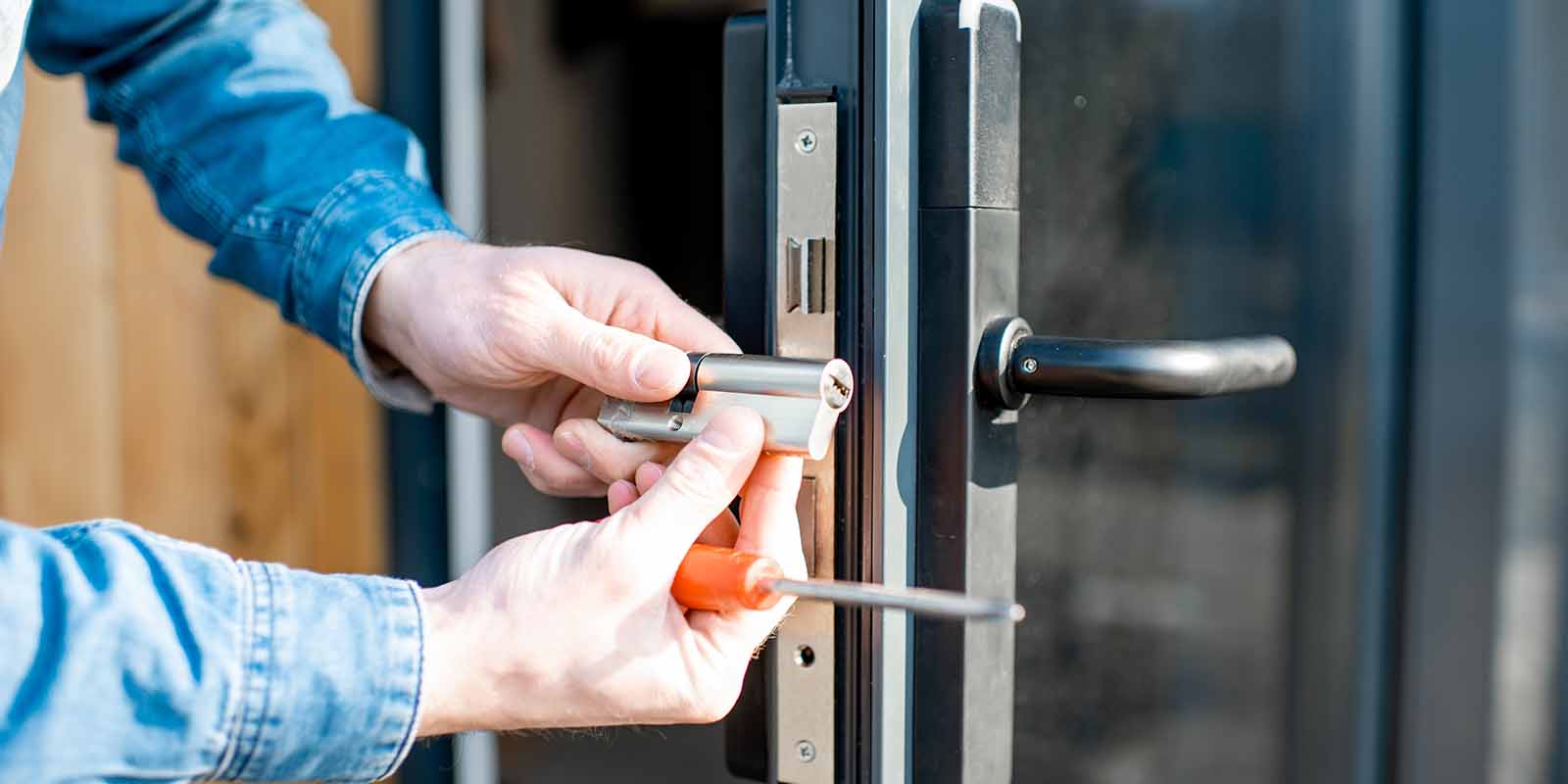
Many homes still have older euro cylinders that offer limited protection against modern burglary methods.
A snap-resistant cylinder provides added protection against:
- Lock snapping
- Drilling
- Picking
- Bumping
It's one of the most effective and affordable security upgrades for a uPVC or composite door.
Maintain Your Multipoint Lock
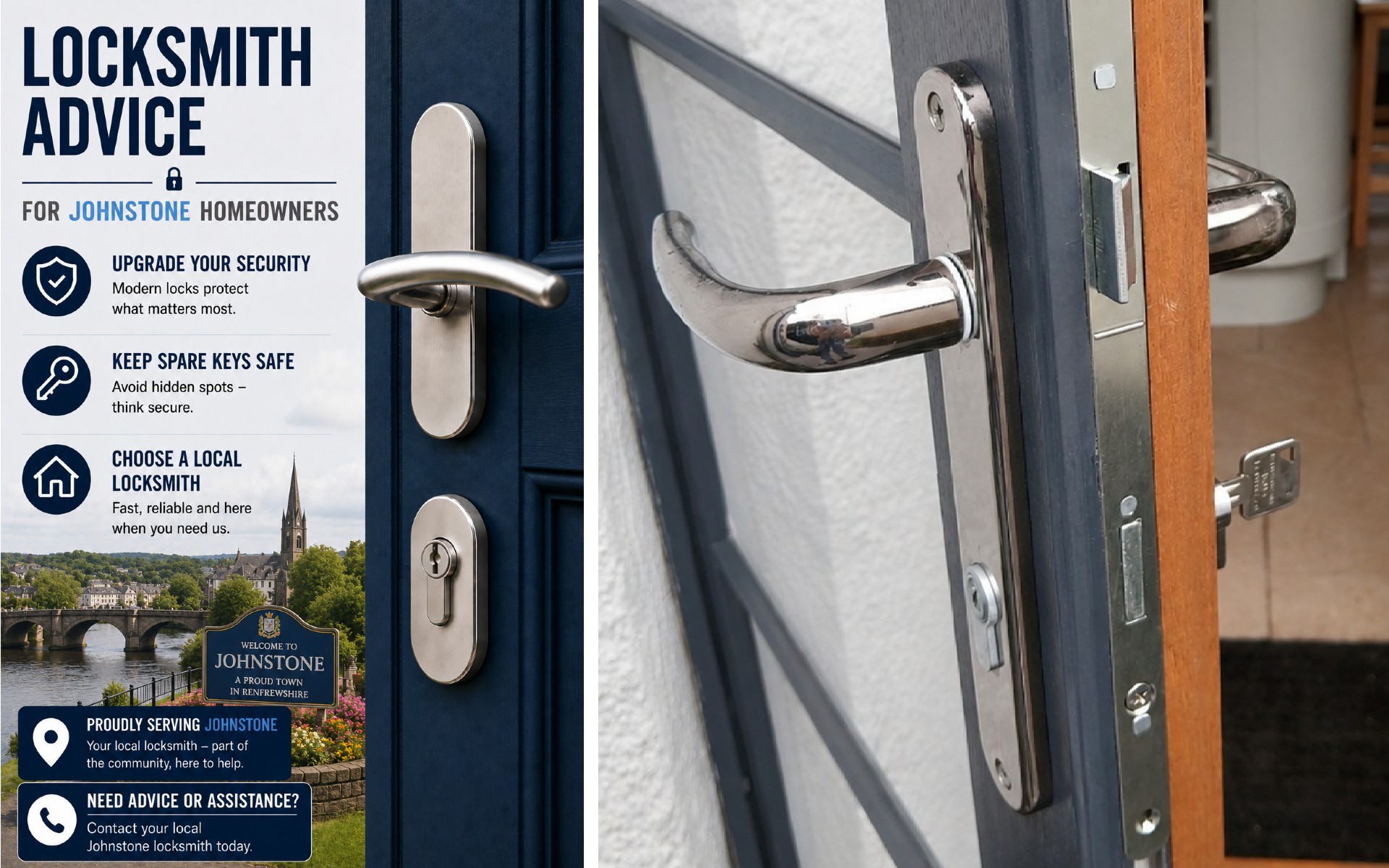
Most modern doors use a multipoint locking mechanism.
To help it last longer:
- Lubricate the hooks and rollers occasionally
- Keep the locking points clean
- Replace worn handles
- Investigate stiffness as soon as it appears
- Avoid forcing the handle or key
Regular maintenance helps reduce wear and extends the life of the mechanism.
Don't Forget Your Back Door
Many burglars look for the easiest way into a property, and that's often through the rear.
Make sure your:
- Back door
- French doors
- Patio doors
- Conservatory doors
- Garage access doors
are secured to the same standard as your front door.
Change the Locks After Moving Home
If you've recently moved into a property in Johnstone, changing the locks is a sensible precaution.
You don't know:
- How many keys are in circulation
- Who may still have copies
- Whether previous owners gave keys to neighbours, family members, or tradespeople
Replacing the locks gives you complete control over access to your home.
Check Wooden Front Door Locks
If your property has a timber front door, it's worth checking the type of lock fitted.
A BS3621 mortice lock offers:
- Improved security
- Better resistance to forced entry
- Compliance with many home insurance requirements
Many older locks still work but no longer provide the level of protection expected today.
Don't Force a Door That's Difficult to Lock
If your door suddenly becomes harder to lock, don't keep forcing it.
This can damage:
- The gearbox
- The lock cylinder
- The handles
- The multipoint mechanism
A simple adjustment or repair is usually much less expensive than replacing several damaged components.
Most Door Problems Can Be Repaired
Many homeowners think a faulty door means replacing the whole thing.
In reality, common faults are often caused by:
- Failed gearboxes
- Worn lock cylinders
- Broken handles
- Dropped doors
- Faulty multipoint mechanisms
In most cases, these parts can be repaired or replaced without the expense of fitting a new door.
Prevention Is Always Better Than an Emergency
A door that becomes slightly difficult to lock today could become tomorrow's lockout. Regular maintenance, early repairs, and upgrading worn components can help keep your doors secure, reliable, and operating smoothly for many years.