Your home's locks are something you probably don't think about until they stop working. Unfortunately, by the time a lock fails completely, what could have been a straightforward repair often becomes an emergency call-out.
Whether you live in an older property or a modern home in Houston, carrying out a few simple checks can help keep your doors secure and your locks working reliably for years to come.
Pay Attention to Changes in Your Door
Most door problems don't appear overnight.
Watch for changes such as:
- The handle feeling heavier than usual
- The key becoming harder to turn
- The door no longer closing as smoothly
- The lock feeling rough
- The handle not returning fully
These are often the first signs that a repair is needed.
Check the Door Before Blaming the Lock
It's common for homeowners to assume the lock has failed when the real problem is the door itself.
A door that's moved slightly can cause:
- Poor lock alignment
- Extra pressure on the mechanism
- Stiff handle operation
- Difficulty engaging the locking points
Correcting the alignment can often solve the issue before any lock parts need replacing.
Don't Ignore Small Lock Problems
If your lock occasionally sticks but then starts working again, don't assume the problem has disappeared.
Intermittent faults often indicate:
- A gearbox beginning to wear
- A lock cylinder nearing the end of its life
- Internal wear within the mechanism
- A door that's moving out of alignment
These problems usually become worse over time rather than improving.
Lubricate the Right Parts
Many homeowners spray lubricant into every part of the lock.
Instead, focus on the moving parts of the mechanism, including:
- Hooks
- Rollers
- Latches
- Deadbolts
The lock cylinder itself should only be lubricated with a product specifically intended for cylinders.
Inspect Door Handles
Loose or drooping handles are more than just cosmetic.
Check for:
- Movement in the backplates
- Broken return springs
- Loose fixing screws
- Handles that don't return properly
Replacing worn handles early can reduce unnecessary strain on the locking mechanism.
Make Sure Every Lock Is Used
Some doors, particularly French or conservatory doors, are only used occasionally.
Locks that aren't operated regularly can become stiff over time.
Open and lock every external door periodically to ensure everything continues to move freely.
Consider Upgrading Older Security
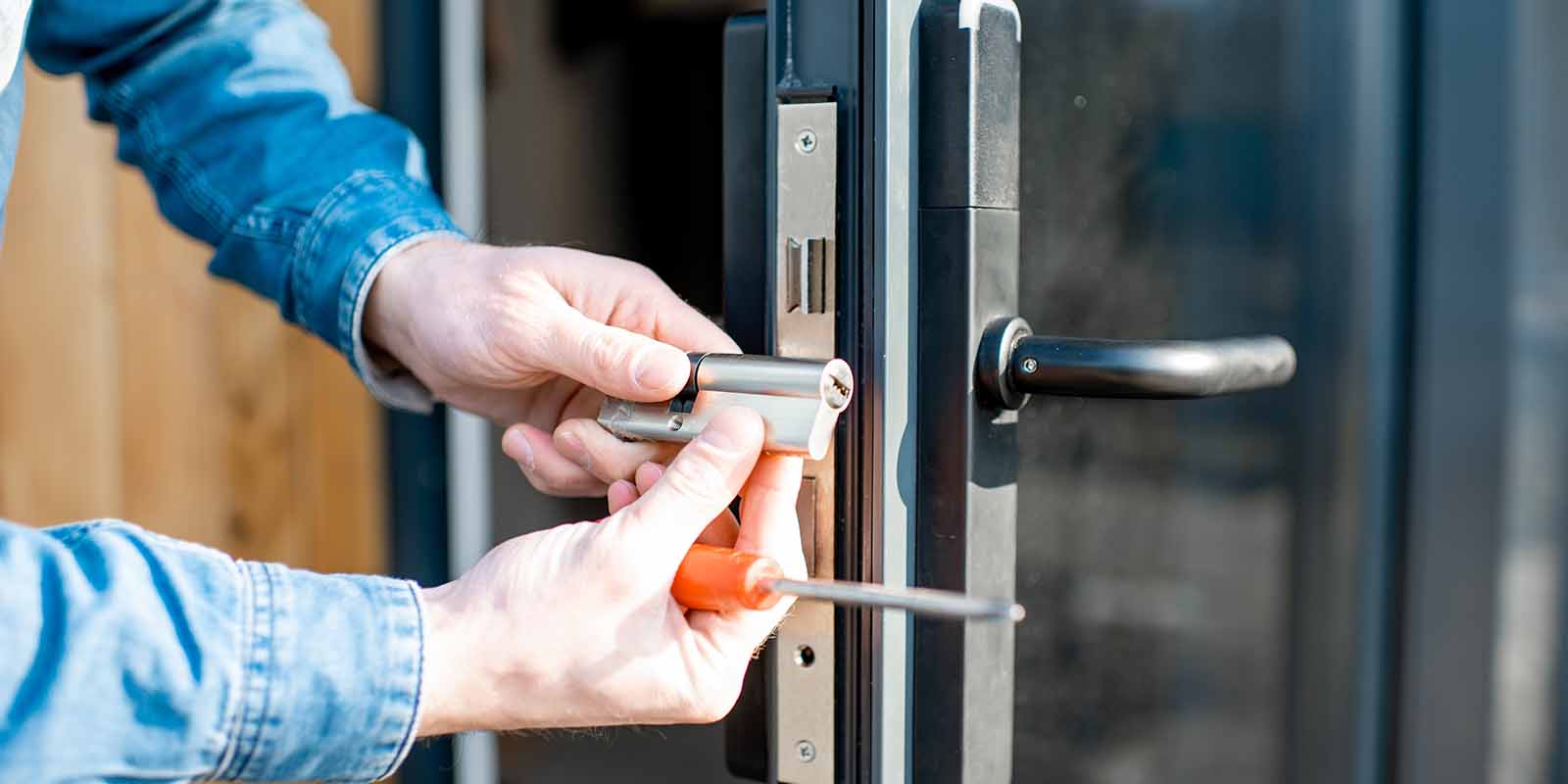
If your door still has an older euro cylinder or worn security hardware, it may be worth upgrading before a fault develops.
Modern security upgrades can include:
- Snap-resistant cylinders
- High-security handles
- New multipoint locking mechanisms where required
- Insurance-approved locks
These improvements can increase both security and reliability.
A Repair Is Often Better Than Replacement
Many homeowners are surprised to learn that most door faults don't require a new door.
Common repairs include:
- Door realignment
- Gearbox replacement
- Multipoint mechanism replacement
- Lock cylinder replacement
- Handle replacement
Repairing the existing door is usually quicker, less disruptive, and considerably more cost-effective than replacing it.
Choose a Locksmith Who Finds the Cause
The best repair isn't simply replacing a faulty part—it's identifying why that part failed.
For example, if a gearbox is replaced but the dropped door isn't realigned, the new mechanism may suffer the same unnecessary strain as the old one.
A proper repair should always address both the fault and its underlying cause.
Keeping Your Doors Working for Longer
Looking after your doors doesn't require complicated maintenance. By acting on early warning signs, keeping moving parts clean, and having small faults repaired promptly, you can avoid many common lock failures. Most importantly, if your door starts becoming difficult to lock or unlock, don't wait until it fails completely. Early attention can extend the life of the lock, improve your home's security, and save you the expense of a larger repair.