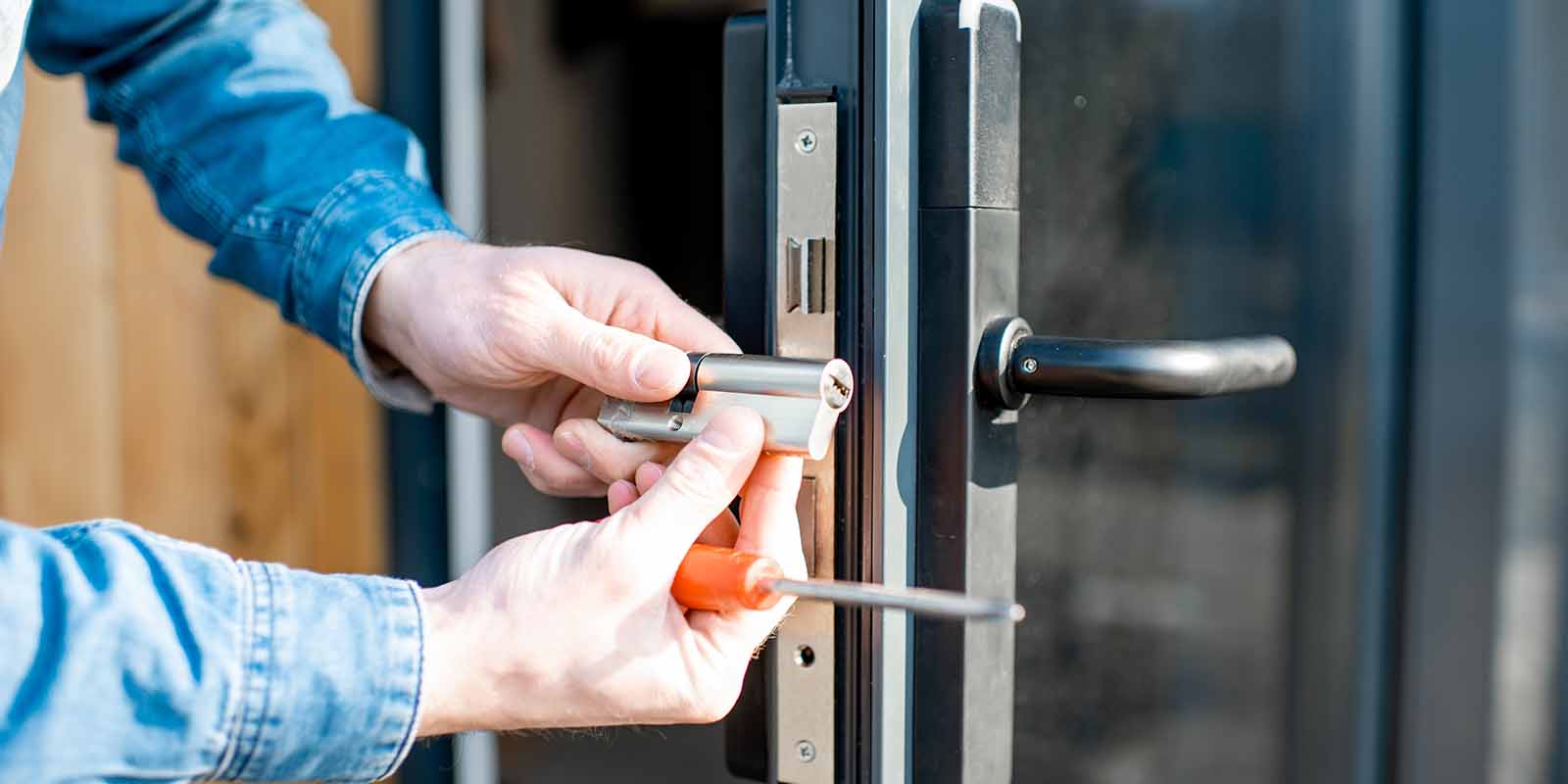
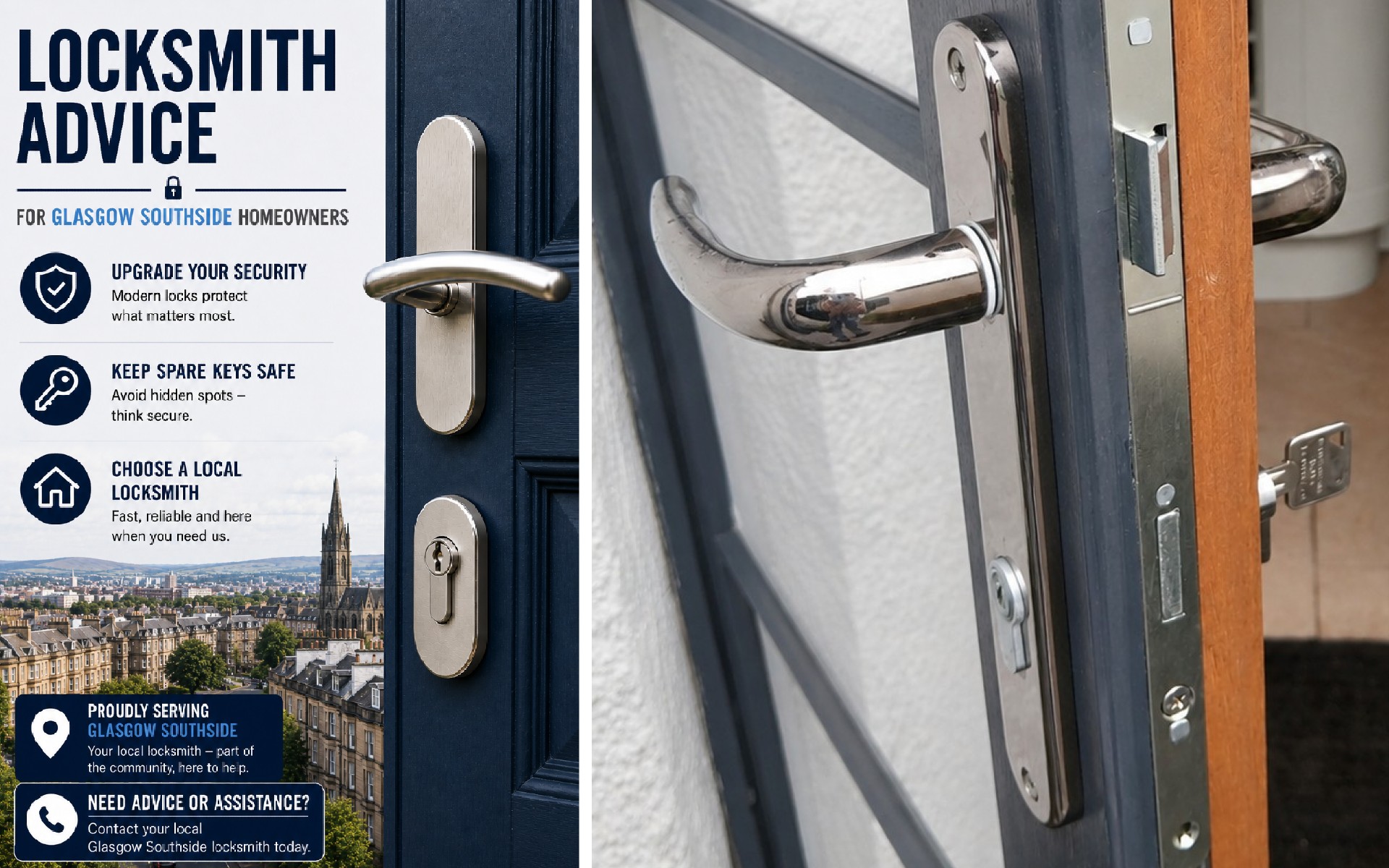
Your door locks are one of the hardest-working parts of your home. They're used every day, often several times a day, yet they rarely receive any attention until something goes wrong. By recognising the early signs of wear, you can often avoid emergency call-outs and keep your home secure all year round.
Whether you have uPVC, composite, French, conservatory, or timber doors, regular inspections can make a significant difference.
Don't Ignore Changes in the Way Your Door Feels
Your door should operate consistently every time you use it.
If you notice:
- The handle feels heavier than it used to
- The key doesn't turn as smoothly
- The door needs extra pressure before it locks
- The handle feels loose or doesn't return properly
- The lock sounds different when operating
it's worth having the problem investigated before it becomes a complete failure.
Most Lock Problems Start With Wear
Door locks contain moving parts that naturally wear over time.
Common components that eventually need attention include:
- Lock cylinders
- Gearboxes
- Multipoint locking mechanisms
- Door handles
- Hinges
Replacing worn parts before they fail completely is usually quicker and more affordable than dealing with an emergency.
Check the Door as Well as the Lock
Many people focus on the lock without realising the door itself may be causing the problem.
A door that has moved slightly can result in:
- Poor lock alignment
- Increased pressure on the mechanism
- Difficult handle operation
- Locking points missing their keeps
Correcting the alignment often restores smooth operation and reduces wear on the entire locking system.
Keep an Eye on French and Patio Doors
French and patio doors are larger and heavier than standard entrance doors, so they can become misaligned over time.
Watch for:
- One door becoming harder to open
- Stiff shoot bolts
- Handles requiring extra force
- Doors catching on the frame
Early adjustments can help prevent gearbox and mechanism failure.
Upgrade Security When Replacing Parts
If you're replacing a worn lock cylinder, it's often worth improving security at the same time.
Modern replacements can provide increased resistance against:
- Lock snapping
- Drilling
- Picking
- Bumping
Upgrading security doesn't usually require replacing the entire door.
Avoid Temporary Fixes
If your door is becoming difficult to lock, avoid making temporary adjustments such as:
- Slamming the door shut
- Using excessive force
- Pulling the handle harder
- Continuing to use a stiff key
These actions often cause additional damage to the locking mechanism.
Every Repair Should Address the Cause
Replacing a faulty component is only part of a proper repair.
For example, if a gearbox has failed because the door has dropped, fitting a new gearbox without realigning the door means the replacement will continue working under unnecessary strain.
A lasting repair should always include checking:
- Door alignment
- Lock operation
- Handle movement
- Hinge condition
- Locking point engagement
Most Doors Don't Need Replacing
A faulty lock doesn't automatically mean you need a new door.
Many common faults can be repaired by replacing:
- The gearbox
- The complete multipoint mechanism
- The lock cylinder
- Door handles
Combined with correct door realignment, these repairs can restore smooth operation and extend the life of the door for many years.
Small Repairs Help Avoid Big Problems
The best time to repair a lock is when it first starts showing signs of wear. A handle that feels slightly stiff or a key that occasionally sticks may not seem serious, but they're often the first indication that something needs attention. Having these issues repaired early can prevent a complete lock failure, improve your home's security, and avoid the unnecessary cost of replacing doors that can often be repaired.