Your home's security depends on more than simply having good locks fitted. The condition of your doors, hinges, locking mechanism and handles all play an important role in keeping your property secure. Most lock failures happen gradually, making it possible to spot the warning signs long before the lock stops working.
Whether you own a traditional home or a newer property in Giffnock, regular maintenance can help you avoid unnecessary repairs and unexpected lockouts.
Don't Get Used to a Difficult Door
Many homeowners slowly adapt to a door becoming harder to use.
You may find yourself:
- Lifting the handle a little higher each month
- Pulling the door towards you before locking it
- Turning the key more firmly
- Giving the door an extra push to close
Because the change happens gradually, it's often overlooked until the lock fails completely.
Check for Signs of Wear
A quick visual inspection can reveal developing problems.
Look for:
- Loose door handles
- Scratches around the lock
- Doors rubbing on the frame
- Uneven gaps around the door
- Worn hinges
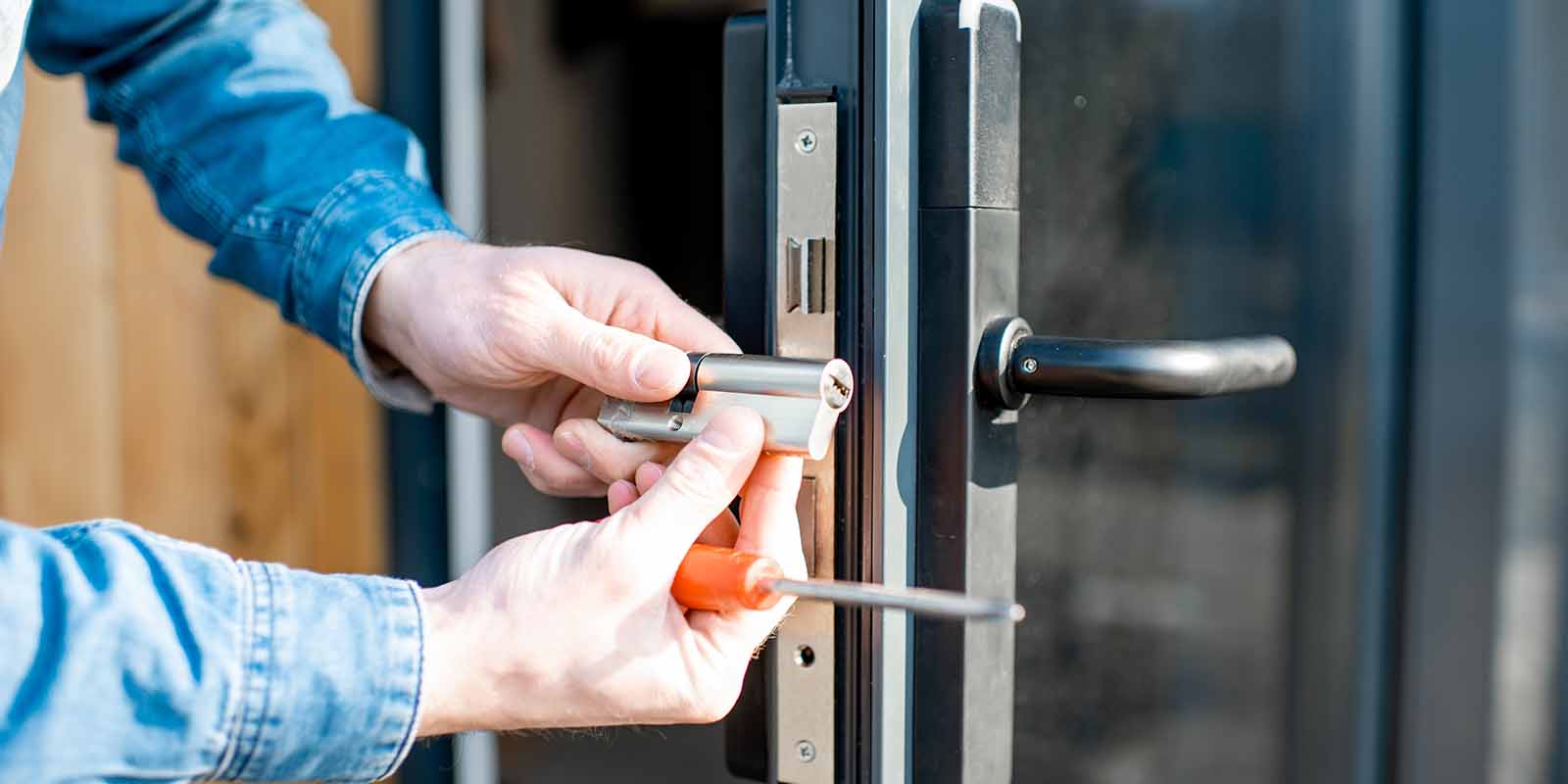
- Movement in the lock cylinder
Catching these issues early usually results in a simpler repair.
Every Lock Has Moving Parts
Modern locking systems contain several mechanical components that wear naturally with use.
These include:
- Lock cylinders
- Gearboxes
- Multipoint locking mechanisms
- Springs inside the handles
- Hooks and rollers
Replacing worn components before they fail completely helps protect the rest of the mechanism.
Don't Forget About French and Conservatory Doors
French and conservatory doors are often opened less frequently than the main entrance, which means faults can go unnoticed.
Operate them regularly and check that:
- Both doors open freely
- The handles lift easily
- Shoot bolts move smoothly
- The key turns without resistance
- The doors lock securely
Using them occasionally also helps identify developing problems before they become emergencies.
Security Is More Than the Lock
A high-security lock can only perform properly if everything else is working correctly.
For the best protection, make sure:
- The door is correctly aligned
- Hinges are secure
- The multipoint mechanism operates smoothly
- Security handles are firmly fitted
- The lock cylinder is the correct size
Every component contributes to the overall security of the door.
Don't Ignore a Door That's Dropped
A dropped door doesn't just make locking difficult—it places continuous pressure on the locking mechanism.
Over time this can lead to:
- Premature gearbox failure
- Worn locking points
- Broken handles
- Increased wear throughout the mechanism
Realigning the door is often one of the most important parts of a lasting repair.
Upgrade When the Opportunity Arises
If you're replacing worn lock components, it's worth considering a security upgrade at the same time.
Modern replacements may include:
- Snap-resistant cylinders
- High-security handles
- Insurance-approved locks
- Replacement multipoint mechanisms where appropriate
Small upgrades can make a noticeable difference to both security and reliability.
Most Faults Can Be Repaired
A lock that no longer works doesn't automatically mean replacing the entire door.
Many common problems can be resolved by:
- Door realignment
- Gearbox replacement
- Complete multipoint mechanism replacement
- Lock cylinder replacement
- New sprung door handles
Repairing the existing door is usually faster, more economical, and far less disruptive than fitting a new one.
Regular Checks Help Avoid Emergencies
The easiest way to avoid an emergency locksmith call-out is to pay attention to small changes in how your doors operate. If the handle becomes stiff, the key starts sticking, or the door no longer closes as smoothly as it once did, it's usually a sign that something needs attention. Addressing these issues early helps extend the life of your locking system, improves home security, and often prevents a simple repair from becoming a much larger job.