Looking after your home's locks isn't just about security—it's about reliability. A door that locks smoothly today is less likely to leave you locked out tomorrow. Most lock failures happen gradually, and recognising the early warning signs can help you avoid unnecessary stress and expense.
Whether your home has uPVC, composite, French, conservatory, or timber doors, a little preventative maintenance goes a long way.
Don't Ignore a Change in Routine
If you find yourself changing the way you use your door, it's usually because something has changed mechanically.
For example:
- Lifting the handle more firmly than before
- Turning the key more slowly
- Pushing the door closed with your shoulder
- Pulling the door back before locking it
- Locking it twice because it doesn't feel right
These aren't normal signs of ageing—they're often the first indicators of a developing fault.
Check the Lock Before You Leave Home
Before heading out, make sure your door:
- Closes fully against the frame
- Locks without resistance
- Unlocks smoothly
- Doesn't catch when opening
- Feels secure when closed
If something feels different, it's worth having it checked before it develops into a complete failure.
Worn Parts Rarely Fail Overnight
Most locking systems are made up of components that gradually wear through everyday use.
These include:
- Gearboxes
- Lock cylinders
- Multipoint mechanisms
- Door handles
- Hinges
Replacing a worn component early is often much simpler than repairing additional damage caused when it eventually fails.
Every Door Should Be Equally Secure
It's easy to focus on the main entrance, but burglars often look for the weakest point of access.
Inspect the locks on your:
- Rear door
- French doors
- Conservatory doors
- Patio doors
- Garage access door
- Side entrance
Every external door should operate smoothly and lock securely.
Be Careful With DIY Repairs
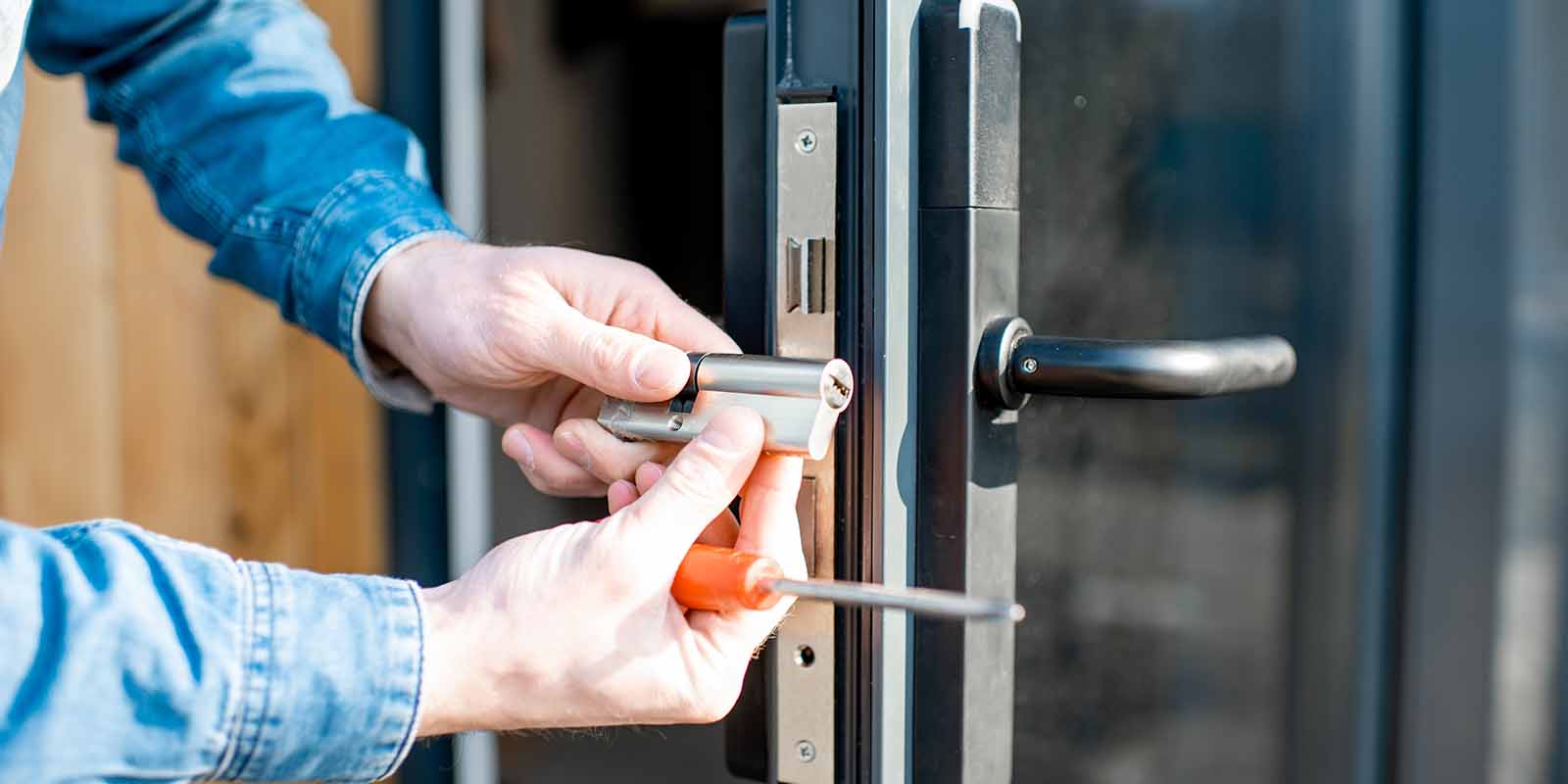
Tightening a loose screw is one thing, but attempting to force a stiff lock or dismantle a multipoint mechanism without knowing the cause of the problem can make matters worse.
Incorrect repairs can result in:
- Broken gearboxes
- Damaged locking points
- Snapped keys
- Doors becoming completely jammed
If a lock starts becoming difficult to operate, it's usually better to diagnose the fault before more damage occurs.
Security Can Be Improved Without Replacing the Door
Many homeowners assume that improving security means fitting a new door.
In reality, upgrading components such as:
- Lock cylinders
- Security handles
- Mortice locks
- Multipoint locking mechanisms
can provide a significant improvement while keeping the existing door.
Correct Diagnosis Saves Money
A stiff handle doesn't always mean a faulty gearbox.
A difficult key doesn't always mean a worn cylinder.
A door that's hard to lock doesn't always need a new mechanism.
Many faults have similar symptoms, so identifying the actual cause is essential before replacing any parts.
Don't Forget Door Realignment
If a gearbox or complete locking mechanism has been replaced, the repair should always include checking the alignment of the door.
A correctly aligned door:
- Places less strain on the lock
- Allows the locking points to engage properly
- Makes the handle easier to operate
- Helps new components last longer
Ignoring the alignment can lead to the same problem returning.
Small Adjustments Can Prevent Major Repairs
The best way to avoid emergency locksmith call-outs is to deal with problems while they're still minor. A lock that becomes slightly stiff or a handle that doesn't feel quite right is often asking for attention. Acting early can prevent more extensive damage, improve your home's security, and help your doors continue working reliably for many years without the need for costly replacements.