Owning a home in Clydebank means keeping your property secure and ensuring your doors work as they should every day. Whether you have uPVC, composite, French, or traditional timber doors, most lock problems begin with small warning signs that are easy to overlook.
By recognising these early symptoms, you can often avoid expensive repairs and unexpected lockouts.
Don't Wait Until the Lock Fails
Locks rarely stop working without warning.
You may notice:
- The handle becoming harder to lift
- The key feeling stiff
- The door becoming difficult to close
- The lock working intermittently
- Unusual noises from the mechanism
These are all signs that your door needs attention before a complete failure occurs.
A Difficult Door Isn't Always a Faulty Lock
Many homeowners assume the lock has failed when the real problem is poor door alignment.
Look for:
- The door rubbing on the frame
- Uneven gaps around the door
- Scrape marks on the keeps
- Having to lift the handle with more force
- Pushing or pulling the door before it locks
Correcting the alignment often reduces stress on the entire locking system.
Keep Your Multipoint Lock Working Smoothly
Multipoint locks are fitted to most modern uPVC and composite doors.
To help extend their life:
- Lubricate the moving locking points occasionally
- Keep dirt away from hooks and rollers
- Don't ignore stiffness
- Replace worn handles when required
- Avoid forcing the handle or key
Simple maintenance can help prevent expensive repairs.
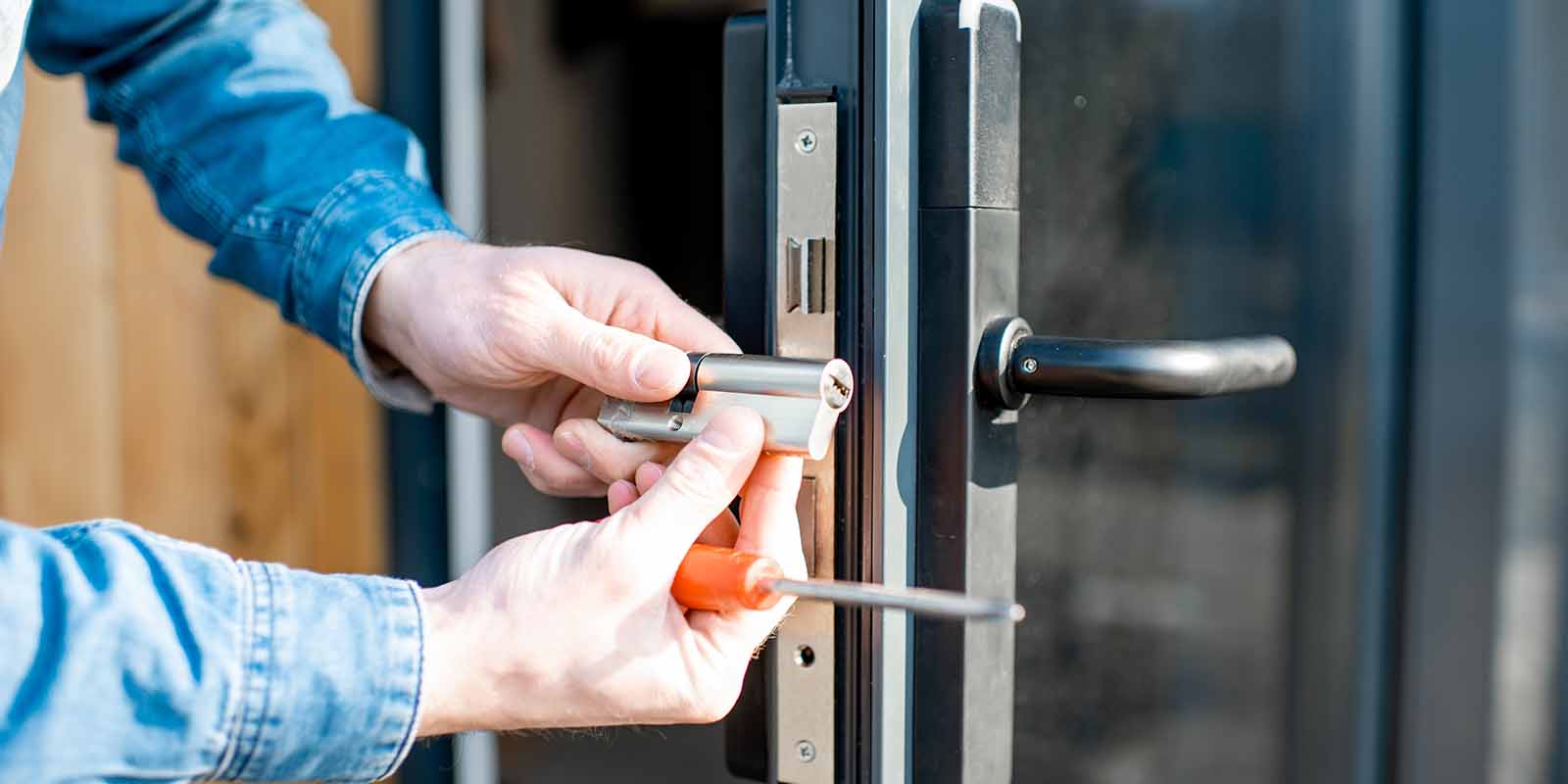
Replace Worn Lock Cylinders
If your key has become difficult to turn or your locks are several years old, it may be time to replace the cylinder.
Modern snap-resistant cylinders provide improved protection against:
- Lock snapping
- Picking
- Drilling
- Bumping
Upgrading the cylinder is often one of the easiest ways to improve home security.
Check Every External Door
Your home's weakest door is often the one that's used the least.
Inspect the locks on your:
- Rear door
- Patio doors
- French doors
- Conservatory doors
- Garage access door
Every entrance should be secure and easy to operate.
Replace Locks When You Move Home
If you've recently bought a property in Clydebank, changing the locks is always recommended.
You can't know:
- How many keys exist
- Who still has access
- Whether keys have been copied previously
Changing the locks gives you complete control over your home's security.
Older Timber Doors Still Need Modern Security
Many properties still have solid timber front doors fitted with older locks.
If your mortice lock has been in place for many years, consider whether it still provides the level of security expected today.
Upgrading the lock can improve both security and reliability without replacing the door.
Quality Repairs Last Longer
A proper repair is about more than simply replacing a faulty part.
For example, if a gearbox or multipoint mechanism is replaced, the door should also be checked and realigned where necessary.
This allows:
- Smooth operation
- Reduced wear
- Less strain on new components
- Longer-lasting repairs
Correcting the cause of the failure is just as important as replacing the damaged part.
Don't Assume You Need a New Door
Many homeowners are surprised to learn that faulty doors can usually be repaired.
Common faults include:
- Failed gearboxes
- Worn multipoint mechanisms
- Broken handles
- Faulty lock cylinders
- Dropped doors
- Misaligned locking systems
In most cases, repairing the existing door is considerably more affordable than replacing it.
Small Problems Are Easier to Fix
The earlier a lock problem is identified, the simpler and more cost-effective the repair is likely to be. A stiff handle or key may seem like a minor inconvenience today, but it can quickly develop into a door that won't lock or won't open. Regular maintenance and prompt repairs help keep your home secure and your doors operating reliably all year round.