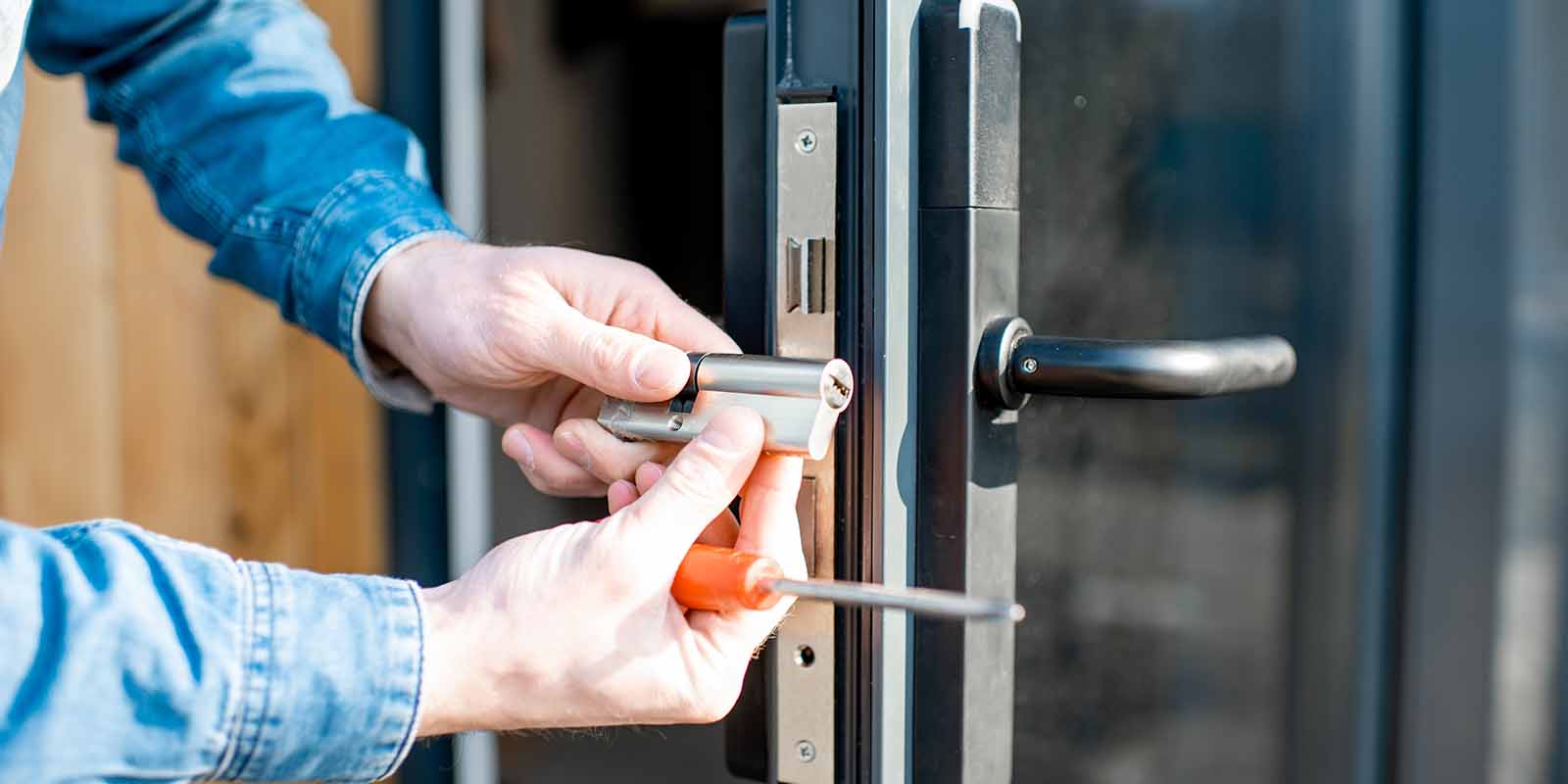
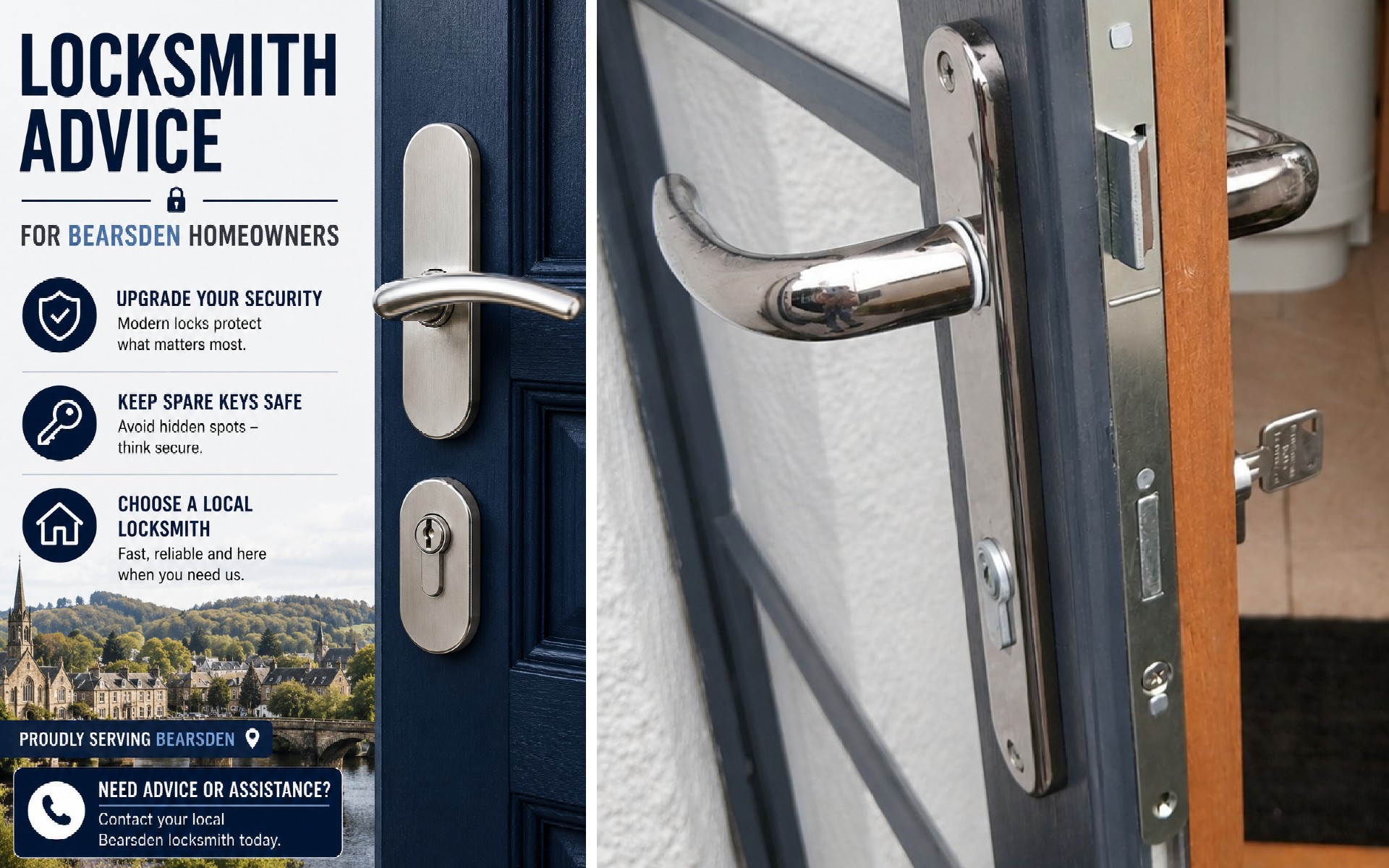
Your home's locks work every day, often without a second thought. However, like any mechanical device, they wear over time. The difference between a simple repair and an emergency call-out is often how quickly small problems are identified and dealt with.
Whether your home has a timber front door, modern composite door, or uPVC French doors, a little preventative maintenance can go a long way.
A Good Lock Should Feel Effortless
Opening and locking your door shouldn't require force.
If you've started to notice:
- The handle feels heavier.
- The key doesn't turn as freely.
- The door sticks before it closes.
- The lock feels rough.
- You need two attempts to lock the door.
it's worth having the problem investigated before it gets worse.
Doors Wear as Well as Locks
Many lock problems actually begin with the door rather than the mechanism.
Over time you may notice:
- Hinges developing slight movement.
- The door dropping a few millimetres.
- Locking points no longer lining up.
- Extra pressure needed to lift the handle.
Correcting these issues early reduces unnecessary strain on every moving part.
Don't Wait for Complete Failure
A lock rarely stops working without warning.
Early symptoms often include:
- An occasional stiff key.
- The handle not returning fully.
- Locking becoming harder on warm days.
- A slight grinding noise.
- One locking point not engaging smoothly.
These are opportunities to repair the problem before you're locked in or out.
Modern Locks Offer Better Protection
Security standards continue to improve.
If your locks are several years old, upgrading can provide improved resistance against common methods of attack while also improving reliability.
Many upgrades can be carried out without changing the door itself.
Look Beyond the Front Door
Every external entrance should be inspected from time to time.
Don't forget:
- Side doors
- Garden doors
- Patio doors
- French doors
- Conservatory doors
- Internal garage access doors
Burglars often look for the easiest point of entry rather than the main entrance.
Poor Alignment Shortens Lock Life
One of the biggest causes of premature gearbox failure is a door that's slightly out of alignment.
When the locking points don't line up correctly, every operation puts extra strain on:
- The gearbox
- Internal linkages
- Door handles
- Lock cylinder
Realigning the door often prevents unnecessary wear and helps new replacement parts last much longer.
Repair Before Replacing
Many homeowners are advised to replace doors when only the locking components have failed.
Common repairs include:
- Door realignment
- Gearbox replacement
- Multipoint mechanism replacement
- Lock cylinder replacement
- Security handle replacement
In many cases, these repairs restore the door to full working order without the cost and disruption of a new door.
Choose Long-Term Repairs
A quality repair should solve the reason the fault developed, not just replace the broken component.
For example, if a new gearbox is fitted but the door is still dropping, the replacement will continue working under unnecessary pressure.
Addressing the underlying cause provides a far more reliable repair.
Prevention Is Always Better Than Emergency Repairs
Routine inspections and early repairs can significantly extend the life of your doors and locks. If something feels different when you operate your door, don't assume it's normal. Small changes are often the first indication that a component is wearing out. Acting early can prevent lockouts, improve your home's security, and save considerably more than waiting until the mechanism fails completely.