If you rent out a property in Scotland, keeping the locks and doors secure is an important part of your responsibilities as a landlord. A faulty front door lock, a broken mechanism or an insecure communal entrance can affect a tenant's safety and the property's compliance with Scottish housing standards.
But who is responsible for repairing a faulty lock? Must a landlord change the locks between tenancies? And what happens if a tenant loses their keys?
At A.L.S Locksmiths, we understand the importance of keeping rented properties secure. This guide explains the key points landlords should know about lock repairs, replacements and tenant security in Scotland.
1. Are Landlords Responsible for Faulty Door Locks?
In Scotland, private landlords must ensure that their properties meet the statutory Repairing Standard at the start of a tenancy and throughout the tenancy.
This includes maintaining relevant parts of the property and ensuring that fixtures and fittings supplied with it remain in a reasonable state of repair. If a lock becomes faulty and leaves a property insecure, the landlord should arrange for the problem to be assessed and repaired within a reasonable time.
The urgency depends on the circumstances. A front door that cannot be secured may require a much faster response than a minor problem with a lock that still works safely.
The Scottish Government explains these obligations in its guidance on landlord repairs.
2. Who Pays for Lock Repairs or Replacement?
In general, the landlord is responsible for repairs needed to meet the Repairing Standard. However, responsibility can depend on what caused the damage.
Examples include:
-
Normal wear and tear: A lock that wears out through ordinary use will generally be the landlord's responsibility to repair or replace.
-
Mechanical failure: If a gearbox, mortice lock or cylinder fails through age or normal use, the landlord will generally need to arrange the necessary repair.
-
Tenant-caused damage: If a tenant has specifically caused damage through negligence or misuse, they may be responsible for the reasonable cost of putting it right.
-
Lost keys: The cost of replacing keys or changing a lock because keys have been lost will depend on the circumstances and the tenancy agreement.
Landlords should establish the cause of the problem before deciding who should pay. A lock that has failed mechanically should not automatically be treated as tenant damage.
3. Must a Landlord Change the Locks Between Tenancies?
Changing the locks between tenancies is a sensible security measure, particularly when the landlord cannot establish who holds copies of the existing keys.
Previous tenants, contractors or other people may still have access to old keys. Changing the relevant cylinders or locks can help restore control over access to the property.
Although a lock change is not automatically a universal legal requirement at every change of tenancy, landlords should assess the security of the property and take appropriate action where necessary.
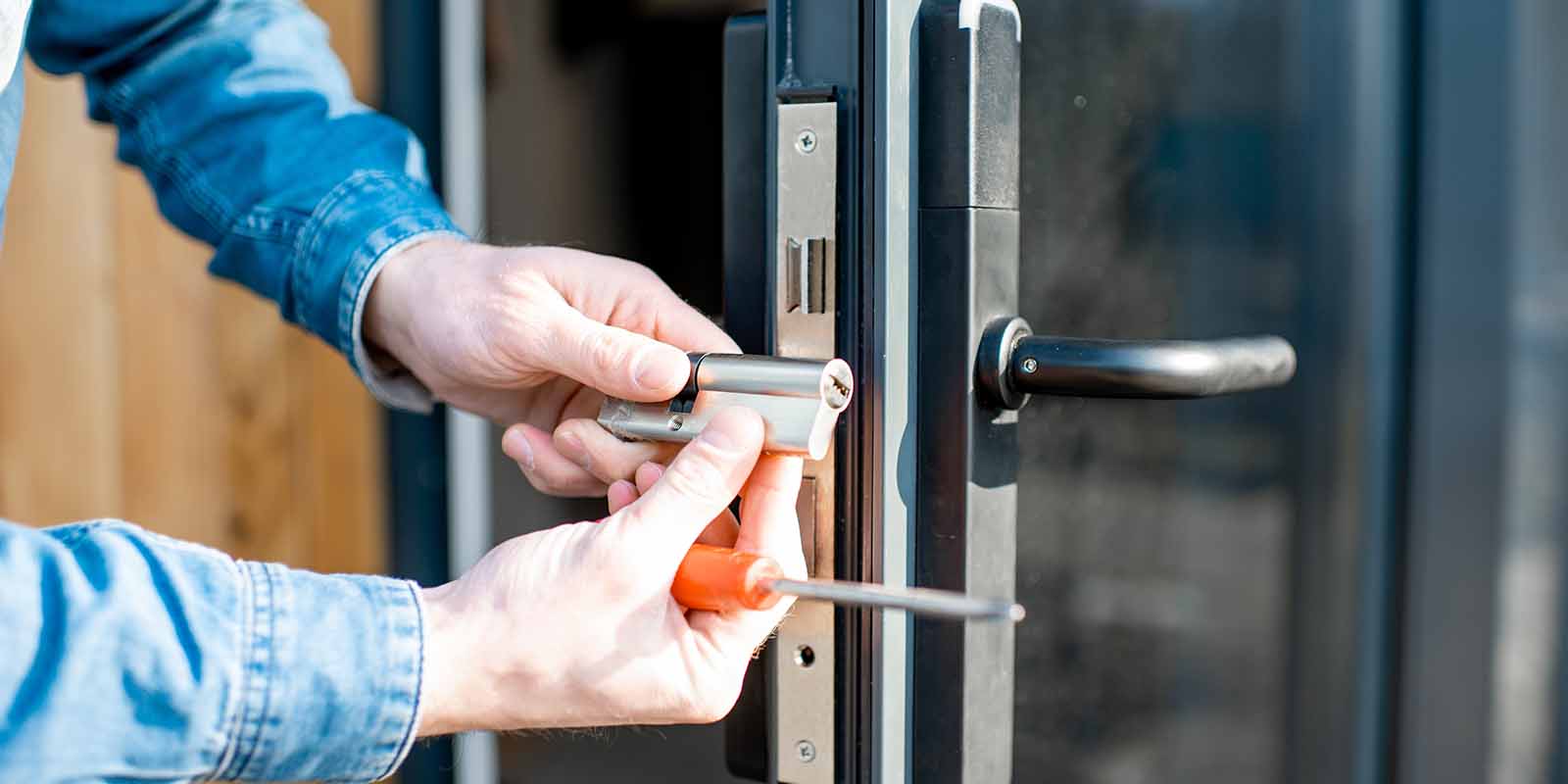
A locksmith can often change a suitable euro cylinder without replacing the entire multipoint locking mechanism or door. The most appropriate solution depends on the type and condition of the existing lock.
4. What If a Tenant Loses Their Keys?
If a tenant loses their keys, the landlord should assess the security risk.
If the keys can be linked to the property, or there is a genuine concern that someone could use them to gain unauthorised access, changing the lock may be advisable.
The tenant should notify the landlord promptly and explain the circumstances. If the property cannot be secured, the situation should be treated as urgent.
Where the tenant arranges emergency locksmith work themselves, they should contact the landlord or letting agent as soon as possible, unless the circumstances make that impractical. The tenancy agreement and the urgency of the situation may affect how the costs and arrangements are handled.
5. Can a Tenant Change the Locks Without Permission?
Tenants should check their tenancy agreement and speak to their landlord or letting agent before changing locks, unless an urgent situation makes prior contact impractical.
Changing a lock without agreement can create problems if the landlord needs lawful access for repairs or an emergency, or if the replacement lock is unsuitable for the door.
A replacement must not compromise fire safety or prevent safe escape. If a lock has been changed, appropriate arrangements should also be made for access in accordance with the tenancy and applicable law.
Landlords must respect their tenants' rights to occupy their homes without unlawful interference. They should not assume that owning the property gives them unrestricted permission to enter whenever they wish.
6. What Are the Rules for Communal Entrance Doors in Flats?
Communal doors are particularly important in Scottish tenement buildings and blocks of flats.
Under the Repairing Standard, landlords have responsibilities in relation to common doors serving their rented property. The statutory guidance states that common doors must be secure and fitted with satisfactory emergency exit locks.
For common front doors, the guidance identifies acceptable lock types, including mortice locks, rim-type deadlocks, Yale locks, key-operated multipoint locks and electronic or magnetic locks. Emergency exit arrangements must allow occupants to leave from the inside without a key.
The landlord's responsibilities may be affected by shared ownership and the need for consent from other owners, so communal repairs may require coordination.
Read the Scottish Government's statutory guidance on common doors.
7. What About UPVC and Composite Door Locks?
Many rented properties have UPVC or composite doors fitted with multipoint locking systems.
These mechanisms can develop faults that make the door difficult to lock or unlock. Common problems include:
-
A gearbox that has failed internally.
-
A door that has dropped or moved out of alignment.
-
A handle that will not lift correctly.
-
A euro cylinder that is stiff or damaged.
-
A multipoint mechanism that will not engage with the keeps.
A faulty lock does not always mean the entire door needs replacing. Depending on the fault, a locksmith may be able to replace the cylinder, repair or replace the gearbox, adjust the door or correct the alignment.
Landlords should arrange an appropriate repair rather than repeatedly forcing a stiff handle or continuing to use a mechanism that may fail completely.
8. Should Landlords Upgrade to Anti-Snap Locks?
Upgrading suitable euro cylinders to anti-snap models can improve resistance to a common form of forced entry.
When choosing a replacement, landlords should consider the door's existing hardware and the level of security required. A correctly sized, suitable cylinder is important, and the complete locking system should be checked to ensure it operates properly.
An upgrade should not be carried out in isolation if the underlying problem is a misaligned door or a failing multipoint mechanism. The door should close and lock correctly after the work is completed.
9. How Quickly Must a Landlord Arrange a Lock Repair?
Scottish law requires repairs needed to meet the Repairing Standard to be completed within a reasonable time after the landlord is notified or otherwise becomes aware of the problem.
There is no single response time that applies to every faulty lock. The circumstances matter.
For example:
-
The front door cannot be locked: This is a security concern that normally requires urgent attention.
-
A lock has failed and the tenant is locked out: The landlord should respond promptly and establish how access can be restored safely.
-
A lock is stiff but still secures the property: A repair should be arranged before the fault worsens, with urgency assessed according to the risk.
-
A communal entrance cannot be secured: The landlord or relevant property manager should arrange for the problem to be addressed, taking account of shared responsibilities.
If a landlord fails to carry out necessary repairs, a private tenant may be able to apply to the First-tier Tribunal for Scotland (Housing and Property Chamber).
Official guidance is available at mygov.scot — repairs and maintenance for private landlords.
10. Keeping Your Rental Property Secure
Landlords can reduce avoidable problems by checking locks before a new tenancy begins, responding promptly to reports of faults and arranging repairs when mechanisms show signs of wear.
It is also worth keeping a record of repairs, replacements and any security upgrades carried out at the property.
For letting agents and landlords managing several properties, having a reliable locksmith available can make it easier to deal with urgent faults and routine maintenance.
Landlord Lock Repairs in Glasgow, Paisley and Surrounding Areas
A.L.S Locksmiths provides lock repair and replacement services for residential properties in Glasgow, Paisley and surrounding areas.
Whether you need a faulty mortice lock repaired, a UPVC door mechanism replaced, a euro cylinder upgraded or a lock changed between tenancies, identifying the cause of the problem helps determine the most appropriate solution.
We aim to repair or replace the faulty component wherever practical, rather than recommending a new door unnecessarily.
If you are a landlord, keeping your property's locks in good working order is an important part of maintaining a secure and well-maintained rental home. When a lock fails, arranging the right repair promptly can help protect both the tenant and the property.
This article provides general information about Scottish housing requirements and is not legal advice. Responsibilities can vary according to the tenancy type, the cause of damage and the property's circumstances. Check the current statutory guidance or obtain professional advice where necessary.