You put your key into the door, try to turn it, and nothing happens. Perhaps it moves slightly before jamming, or perhaps it refuses to turn at all. It can be frustrating, especially when you are trying to get into your home or secure the door before leaving.
A key that will not turn does not automatically mean you need a new lock. The cause could be a worn key, a faulty cylinder, a door that has dropped out of alignment or a problem inside the locking mechanism.
At A.L.S. Locksmiths, we deal with faulty and jammed door locks throughout Glasgow, Paisley, Dumbarton, Alexandria, Balloch and the surrounding areas. Here's what can cause the problem and when to call a locksmith.
1. Check the Key First
Before assuming the lock has failed, check the key itself.
Keys can become worn through years of use, while poorly cut copies may not operate the lock correctly. A bent or damaged key can also prevent the internal components from aligning properly.
If you have a spare key, try it gently. If the spare works but the original does not, the original key may be the problem.
Never force a key that feels as though it is catching. It can bend or snap inside the cylinder, making the repair more complicated.
2. The Euro Cylinder May Be Worn or Faulty
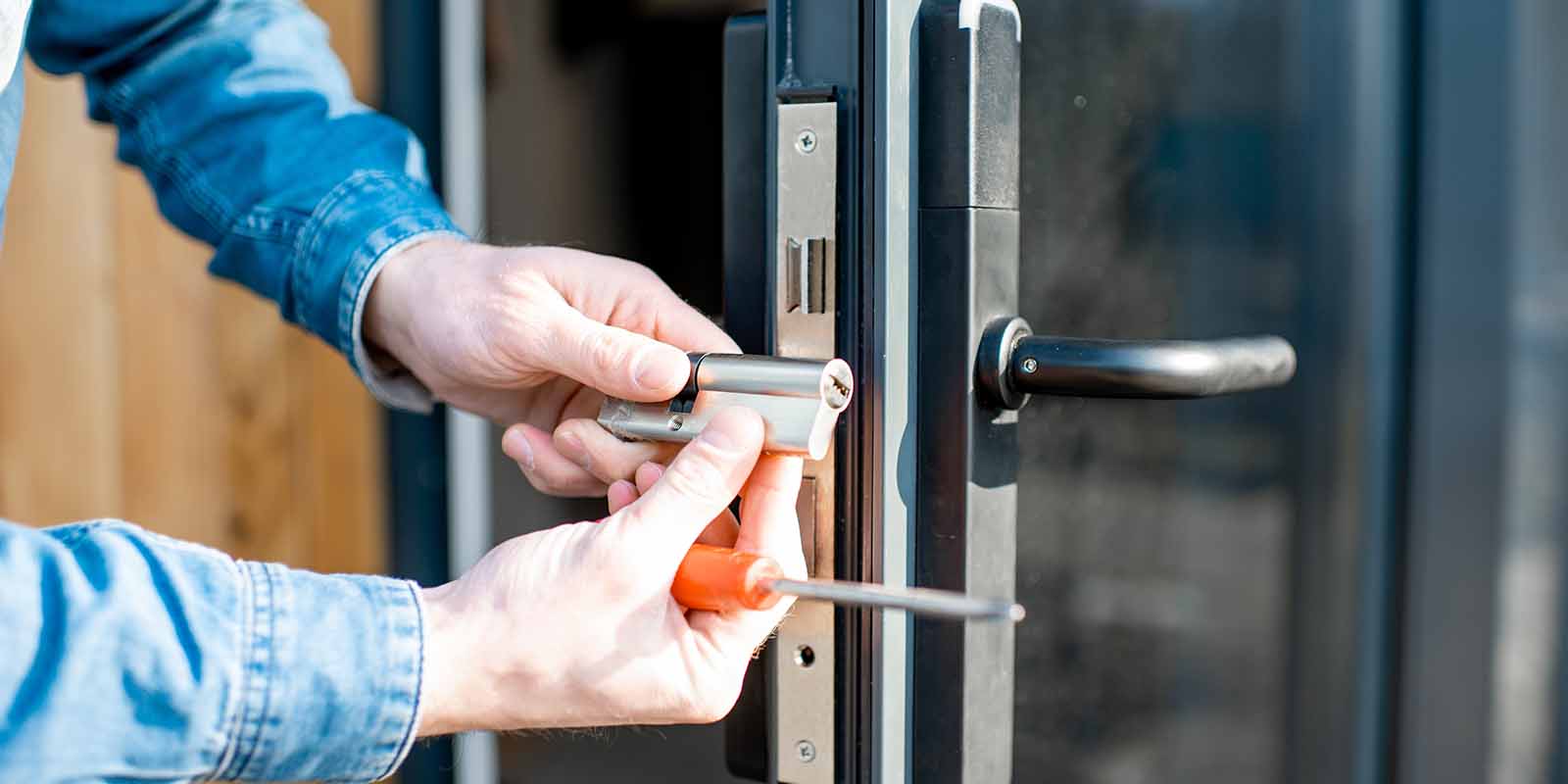
The euro cylinder is the part of the lock into which you insert your key. It is commonly fitted to UPVC and composite doors, as well as some other door types.
Inside the cylinder are precision components that must align correctly for the key to turn. Over time, these components can wear or become damaged.
Common symptoms include:
-
The key enters but will not turn.
-
The key turns only partway before stopping.
-
The lock becomes increasingly stiff.
-
One key works better than another.
-
The key becomes difficult to remove.
If the cylinder has failed, replacing it may be all that is required. The existing door and multipoint locking mechanism can often remain in place.
However, it is important to establish whether the cylinder itself is faulty before replacing it.
3. Your UPVC or Composite Door May Be Out of Alignment
Sometimes the key and cylinder are perfectly serviceable, but the door has moved slightly in its frame.
UPVC and composite doors use multipoint locking mechanisms that secure the door at several points. These locking points must line up correctly with the keeps fitted to the frame.
If the door drops slightly on its hinges, the hooks, rollers or bolts can bind against the keeps. This places pressure on the mechanism and can make the key difficult to turn.
You might also notice that the handle has become stiff or that you need to push or pull the door to get it to lock.
A useful diagnostic clue: If the lock operates normally when the door is open but becomes stiff when the door is closed, misalignment or pressure against the frame may be responsible.
Do not repeatedly force the handle or key. The underlying alignment problem needs to be corrected to prevent further strain on the locking mechanism.
4. The Multipoint Gearbox May Have Failed
On many UPVC and composite doors, the gearbox is the central component that transfers movement from the handle and cylinder to the locking points.
If the gearbox develops an internal fault, the key may become difficult to turn or fail to operate the lock correctly.
Other warning signs include a loose or floppy handle, unusual clicking sounds, locking points that fail to move or a door that becomes stuck in the locked position.
Depending on the design, the gearbox may be replaceable separately. Some systems require a complete replacement multipoint mechanism.
Correct identification matters because replacement parts must match the original mechanism.
At A.L.S. Locksmiths, we assess the fault before recommending a repair. Replacing the cylinder will not resolve a gearbox failure, just as replacing the gearbox will not necessarily correct a worn cylinder.
5. Problems with Wooden Door Locks
Keys that will not turn are not limited to UPVC and composite doors.
Wooden doors can swell in damp conditions or change dimension with temperature and humidity. This can cause the door or locking components to bind against the frame.
Older mortice locks can also develop internal faults as their levers, springs and other components wear.
If the key becomes difficult to turn, check whether the door is catching against the frame. Do not force the key or use it to pull the door into position.
A locksmith can establish whether the problem relates to door alignment, the lock case or the key itself.
6. What Can You Safely Try Before Calling a Locksmith?
There are a few simple checks worth making before arranging a repair.
-
Try a spare key. This helps establish whether the original key may be worn or damaged.
-
Check the door position. If the door is already open, see whether the key operates smoothly without the door pressing against the frame. Only operate the mechanism in accordance with its normal procedure.
-
Look for obvious damage. A bent key, damaged handle or visible signs of tampering need professional attention.
-
Stop if resistance persists. Do not use pliers, excessive force or repeated attempts to turn the key.
-
Avoid unsuitable lubricants. If lubrication is appropriate, use a product recommended for the particular lock rather than household oil or grease.
If these checks do not identify an obvious cause, arrange an inspection before the key snaps or the lock fails completely.
If you are locked out, the door is jammed shut or you cannot secure your property, contact a locksmith rather than attempting to dismantle the lock.
7. Does a Key That Won't Turn Mean You Need a New Lock?
Not necessarily. The correct repair depends on the underlying fault.
-
Worn or damaged key: A correctly cut replacement may resolve the problem.
-
Faulty euro cylinder: Replacing the cylinder may restore normal operation.
-
Misaligned door: Adjustment or realignment may be required.
-
Failed gearbox: The gearbox or complete multipoint mechanism may need replacing.
-
Faulty mortice lock: The lock case may require repair or replacement, depending on its design and condition.
Correct diagnosis prevents unnecessary expense and helps ensure that the original problem is properly resolved.
When Should You Call A.L.S. Locksmiths?
If your key repeatedly sticks, refuses to turn or has become noticeably harder to operate, do not wait until the lock fails completely.
A lock that works intermittently can eventually leave you locked out or unable to secure your home. Early diagnosis may also prevent additional damage caused by forcing a failing mechanism.
A.L.S. Locksmiths provides professional lock repairs, cylinder replacements, multipoint gearbox repairs and door realignment for UPVC, composite and wooden doors.
We operate on a fixed-price basis, with no call-out fees. We explain the proposed work and provide a clear quotation before proceeding.
Key won't turn in your lock? Contact A.L.S. Locksmiths on 07712 445612 for advice and professional locksmith services throughout Glasgow, Paisley, Dumbarton, Alexandria, Balloch and surrounding areas.
The important thing is to identify the cause rather than simply replace parts and hope for the best. In many cases, the right repair can restore your existing lock without the expense of replacing the entire door.