Introduction
Many homeowners judge a door by its appearance. If it looks solid, feels heavy and has a lock fitted, it's easy to assume it provides a high level of security.
In reality, the strength of an entrance door depends on far more than the material it is made from. A secure door is the result of numerous components working together as a complete system. The locking mechanism, frame, hinges, handles, euro cylinder, fixings, installation and ongoing maintenance all contribute to its overall performance.
This explains why a well-maintained older door fitted with quality hardware can often provide better protection than a poorly installed new one. Likewise, fitting an expensive lock to a door with worn hinges or a weak frame may do little to improve security.
Understanding how these different components interact allows homeowners to make informed decisions about repairs, maintenance and upgrades, often avoiding the unnecessary expense of replacing an otherwise sound door.
This guide explains what really makes a door secure, the common weaknesses found on older doors and the practical improvements that can often be made without replacing the entire entrance door.
A Secure Door Is More Than Just a Strong Lock
One of the biggest misconceptions about home security is that the lock alone determines how secure a door is.
In reality, a modern entrance door is an engineered system comprising:
- The door leaf.
- The frame.
- Hinges.
- Locking mechanism.
- Gearbox.
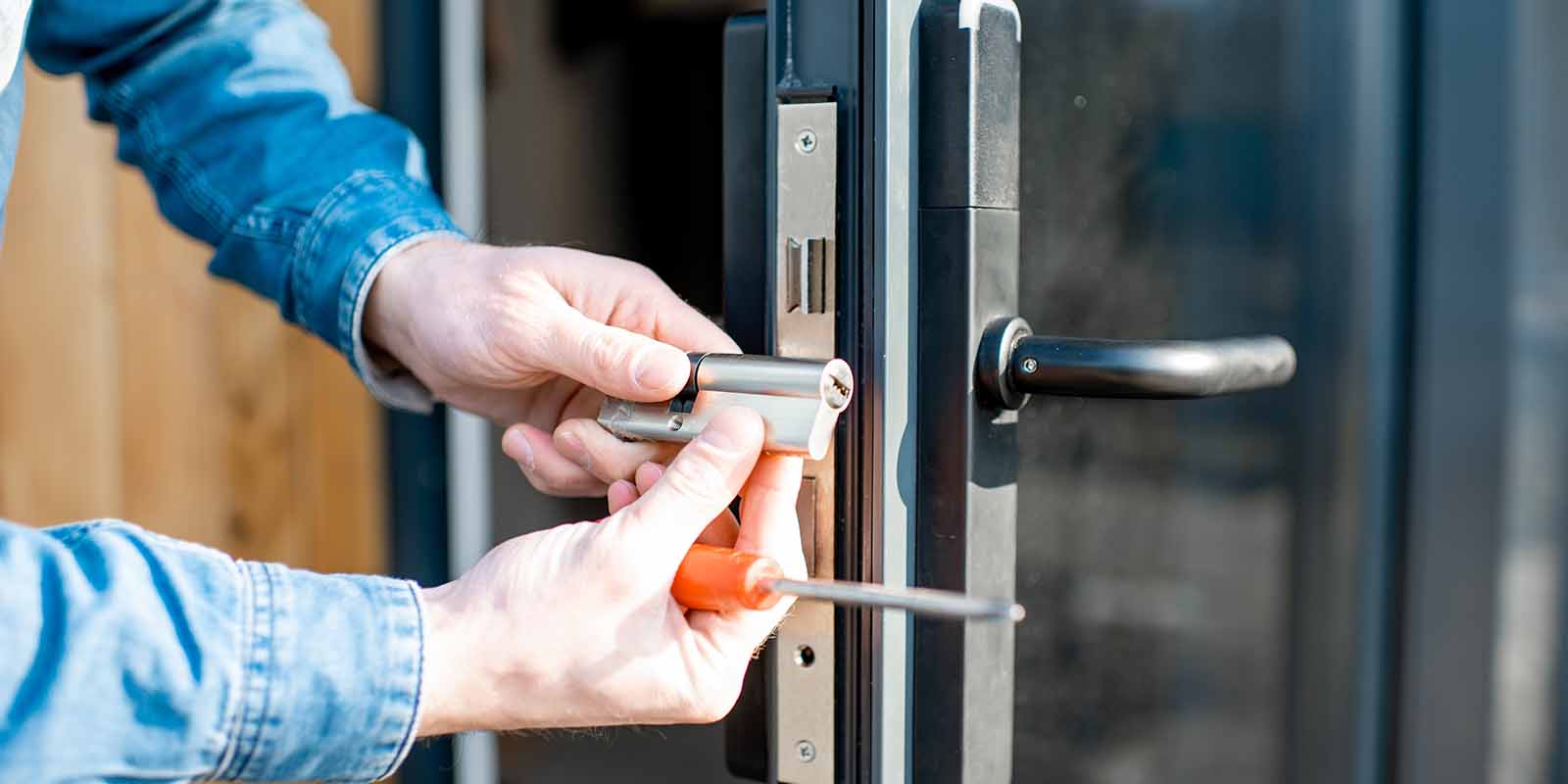
- Euro cylinder.
- Door handles.
- Keeps.
- Fixings.
- Surrounding masonry.
Every component depends upon the others.
If one part becomes worn, damaged or poorly adjusted, it can reduce the effectiveness of the entire system.
What Actually Determines Door Security?
Several factors influence how well an entrance door performs.
These include:
- The quality of the locking mechanism.
- The strength of the frame.
- Correct door alignment.
- Secure hinges.
- A suitable high-security cylinder.
- Reinforced handles.
- Proper installation.
- Ongoing maintenance.
Security is therefore the result of many engineered components working together rather than any single product.
Can Burglars Break Through uPVC Doors?
Modern uPVC doors are considerably stronger than many homeowners realise.
Most quality doors incorporate:
- Steel reinforcement within the frame.
- Reinforced door sections.
- Multipoint locking systems.
- Reinforced keeps.
- High-security handles.
- Strong welded corners.
In many cases, the door panel itself is not the weakest part of the system.
Where older uPVC doors may become more vulnerable is through ageing hardware rather than the structure of the door.
Common issues include:
- Older euro cylinders without anti-snap protection.
- Basic door handles.
- Worn multipoint locking mechanisms.
- Loose keeps.
- Worn hinges.
- Poor door alignment.
- Damaged frames.
Replacing these components can often provide a significant improvement in both security and everyday operation.
Are Composite Doors More Secure Than Timber Doors?
Not necessarily.
Composite doors combine several different materials to produce a door that is:
- Strong.
- Stable.
- Weather resistant.
- Low maintenance.
However, the material alone does not determine security.
A traditional timber door fitted with:
- A quality mortice lock.
- Strong hinges.
- A reinforced frame.
- Proper maintenance.
may provide an excellent level of protection.
Similarly, a composite door fitted with poor-quality hardware or suffering from alignment problems may not perform as well as expected.
The complete door system is always more important than the material alone.
Common Weaknesses on Older uPVC Doors
Many older uPVC doors remain structurally sound long after their hardware begins to show its age.
Common areas that may benefit from upgrading include:
- Older euro cylinders lacking modern security features.
- Worn multipoint locking mechanisms.
- Basic handles.
- Loose or worn keeps.
- Hinge wear.
- Poor alignment.
- Perished weather seals reducing compression.
The good news is that many of these issues can be addressed without replacing the entire door.
Improving an Older Composite Door
A complete replacement is not always necessary.
Depending upon its condition, an older composite door can often benefit from:
- A high-security anti-snap euro cylinder.
- TS007-rated security handles.
- Servicing or replacing the multipoint locking mechanism.
- Hinge adjustment.
- New weather seals.
- Reinforced keeps.
- Correct door realignment.
These improvements often restore smooth operation while bringing the door much closer to current security expectations.
What Makes Modern Composite Doors Different?
Modern composite doors often incorporate engineering improvements that were less common on earlier designs.
These may include:
- Multi-layer composite construction.
- Reinforced lock areas.
- Steel or aluminium reinforcement.
- Advanced multipoint locking systems.
- High-security cylinders.
- TS007-rated handles.
- Improved adjustable hinges.
- PAS 24 tested door sets.
- Improved weather sealing.
- Better thermal insulation.
Together these features improve security, durability and long-term reliability.
Security Upgrades That Usually Offer Good Value
If your existing door remains structurally sound, several upgrades may provide worthwhile improvements without replacing the complete door.
High-Security Euro Cylinder
Modern cylinders offer increased resistance against:
- Lock snapping.
- Drilling.
- Picking.
- Bumping.
Security Handles
Quality handles help protect the cylinder by reducing exposed areas while also improving durability.
Multipoint Lock Servicing
Servicing helps ensure:
- Hooks engage correctly.
- Rollers operate smoothly.
- Gearboxes remain under minimal strain.
- Locking points move freely.
Door Realignment
Correct alignment allows:
- Handles to lift easily.
- Keys to turn smoothly.
- Locking points to engage correctly.
- Compression to remain balanced.
Hinge Adjustment
Correctly adjusted hinges:
- Support the weight of the door.
- Maintain geometry.
- Reduce wear throughout the locking mechanism.
Reinforced Keeps
Properly secured keeps improve the performance of the locking points while increasing resistance to levering.
When Does a Door Really Need Replacing?
Replacement is sometimes the best option, but not always.
A new door may be appropriate where the existing door is:
- Structurally damaged.
- Severely warped.
- Rotting.
- Beyond economical repair.
- No longer capable of accepting suitable replacement components.
However, many doors that initially appear beyond repair are actually good candidates for refurbishment and security upgrades.
Replacing quality hardware is often considerably more economical than replacing the entire entrance door.
Signs Your Door May Need a Security Assessment
It may be worthwhile having your entrance door inspected if:
- The locking system is more than 10–15 years old.
- The cylinder projects beyond the handles.
- The handles feel loose.
- The handle becomes stiff.
- The key is difficult to turn.
- The door no longer locks smoothly.
- The door moves when locked.
- The hinges show signs of wear.
- You have recently moved into the property.
- You're unsure what type of locking system is fitted.
An assessment can often identify straightforward improvements that enhance both security and reliability.
Maintenance Is One of the Best Security Upgrades
Routine maintenance is frequently overlooked, yet it plays an important role in preserving security.
Regular maintenance includes checking:
- Door alignment.
- Handle operation.
- Lock engagement.
- Hinge adjustment.
- Weather seals.
- Fixings.
- Cylinder condition.
Small adjustments carried out early often prevent excessive wear throughout the locking system while helping every component continue operating efficiently.
The Weakest Component Often Determines Security
A door is only as secure as its weakest component.
For example:
- A high-security cylinder cannot compensate for a loose frame.
- Strong hinges cannot overcome poor door alignment.
- A premium locking mechanism performs poorly if the keeps are badly positioned.
- A secure door can still become vulnerable if maintenance is neglected.
Looking at the complete system rather than individual components usually provides the greatest improvement in both security and reliability.
Repair Before Replacement
Many homeowners assume that replacing the entire door is the only solution when problems develop.
In reality, this is often unnecessary.
If the door and frame remain structurally sound, repairing or upgrading individual components can frequently:
- Improve security.
- Restore smooth operation.
- Extend the lifespan of the door.
- Reduce long-term costs.
- Avoid unnecessary waste.
Understanding the true cause of any problem allows repairs to be targeted where they will have the greatest benefit.
Conclusion
The security of your home depends on far more than the material your entrance door is made from. Whether you have a uPVC, composite or timber door, its ability to resist forced entry relies on the quality of the locking mechanism, the strength of the frame, correctly adjusted hinges, suitable security hardware and proper installation. These components must all work together as a single engineered system.
Many older doors remain structurally excellent and can achieve a very high standard of security through sensible upgrades, accurate realignment and routine maintenance. Before considering the expense of a complete replacement, it is often worth assessing whether improving individual components could restore both security and smooth operation. In many cases, understanding what really makes a door secure leads to better decisions, lower costs and a longer service life for the door you already have.
Frequently Asked Questions
Is a composite door always more secure than a timber door?
No. While composite doors are extremely strong, overall security depends on the complete door system, including the lock, frame, hinges, handles, installation and maintenance. A well-maintained timber door fitted with quality hardware can also provide excellent security.
Can an older uPVC door still be secure?
Yes. Many older uPVC doors remain structurally sound and can often be significantly improved by upgrading components such as the euro cylinder, security handles, multipoint locking mechanism and hinges.
Do I always need to replace my door to improve security?
No. If the door and frame are in good condition, targeted upgrades and repairs are often far more cost-effective than replacing the entire door.
What are the most worthwhile security upgrades?
Common improvements include fitting a high-security euro cylinder, upgrading to TS007-rated security handles, servicing the multipoint locking mechanism, correcting door alignment and replacing worn weather seals or keeps where necessary.
How do I know if my door needs a security assessment?
If your lock is over 10–15 years old, the cylinder protrudes beyond the handle, the door no longer locks smoothly, the handles feel loose or stiff, or you've recently moved into the property, a security assessment can help identify practical improvements.