Introduction
French doors are a popular feature in many homes, providing plenty of natural light and easy access to gardens and patios. While they are generally very secure, they do have two opening leaves, multiple locking points and additional moving components that require regular maintenance to keep them operating correctly.
The security of French doors depends on far more than just the lock cylinder. The alignment of both doors, the condition of the slave locking mechanism, the quality of the handles and the operation of the multipoint locking system all play an important role. Keeping these components in good condition not only improves security but also helps prevent costly lock failures.
Check the Multipoint Locking Mechanism
Most modern French doors are fitted with a multipoint locking system on the main opening door and a slave locking mechanism on the secondary door.
Check that:
- The handles lift smoothly.
- The key turns freely.
- Hooks engage fully.
- Rollers line up correctly.
- Deadbolts lock securely.
- All locking points operate without resistance.
If the mechanism feels stiff, don't ignore it. Increased resistance is often the first sign of a problem.
Upgrade the Lock Cylinder
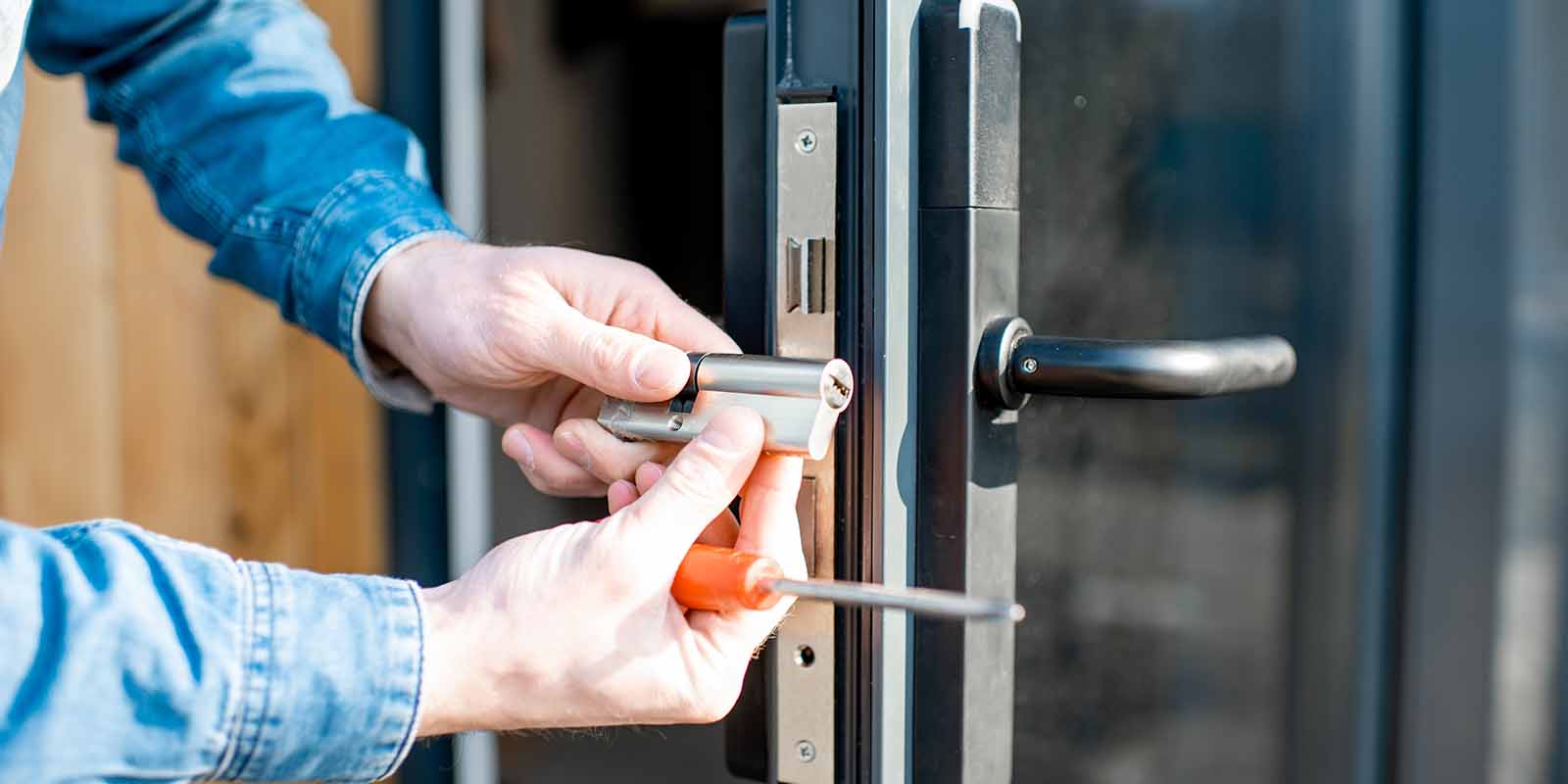
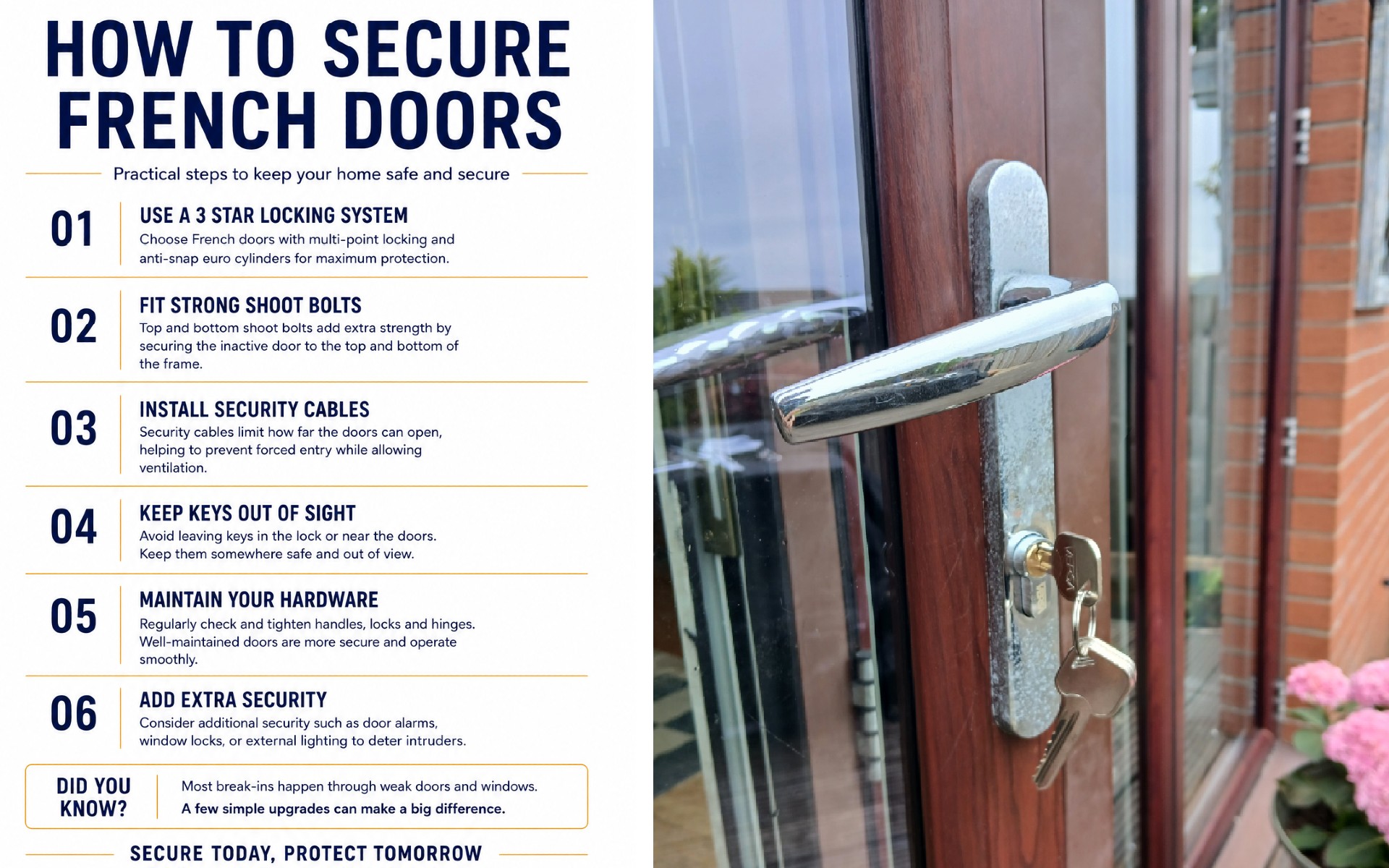
If your French doors still have older standard euro cylinders, upgrading them is one of the best security improvements you can make.
A quality anti-snap cylinder provides protection against:
- Lock snapping.
- Lock drilling.
- Lock picking.
- Lock bumping.
Modern cylinders provide significantly greater resistance to common methods of attack than many older locks.
Fit TS007 Security Handles
Security isn't just about the cylinder.
A TS007 2 Star security handle protects the vulnerable area around the euro cylinder and makes attacks considerably more difficult.
Combined with a 1 Star anti-snap cylinder, they achieve TS007 3 Star security, offering one of the most effective upgrades available for French doors.
Benefits include:
- Improved cylinder protection.
- Better resistance to attack.
- Stronger door furniture.
- Sprung handles that reduce gearbox wear.
- Modern appearance.
Don't Forget the Slave Door
The secondary leaf is often overlooked, but it's a critical part of the locking system.
Common problems include:
- Failed finger bolts.
- Seized top and bottom bolts.
- Loose keeps.
- Worn mechanisms.
- Poor alignment.
- Damaged locking rods.
The slave door should lock securely into both the head and threshold of the frame.
A faulty slave mechanism can compromise both security and everyday operation.
Keep Both Doors Properly Aligned
French doors depend on both leaves aligning perfectly.
If either door moves even slightly, you may notice:
- Difficulty locking.
- Handles becoming stiff.
- Gaps appearing between the doors.
- Draughts.
- Hooks catching.
- Finger bolts failing to engage.
Poor alignment places constant strain on the locking mechanisms and is one of the leading causes of premature failure.
Why French Door Mechanisms Fail
French doors have more moving parts than a standard single door.
Common causes of failure include:
- Door movement.
- Worn hinges.
- Poor alignment.
- Lack of lubrication.
- Seized locking points.
- Excessive force.
- Years of everyday use.
Most failures occur gradually rather than suddenly.
Check the Finger Bolts
The finger bolts on the slave door secure the secondary leaf into the frame.
If they don't engage fully:
- The doors won't pull together properly.
- Gaps may develop.
- Security is reduced.
- Excessive strain is placed on the mechanism.
Stiff finger bolts should never be forced.
Secure the Glass
Many French doors contain large glazed panels.
Depending on the property, additional security may include:
- Toughened safety glass.
- Laminated security glass.
- Security film.
- Internal glazing beads where appropriate.
These measures can increase resistance to forced entry.
Watch for Early Warning Signs
Most French door problems develop slowly.
Common warning signs include:
- Loose handles.
- Keys sticking.
- Handles becoming difficult to lift.
- Finger bolts not operating smoothly.
- Doors rubbing the frame.
- Gaps between the doors.
- Draughts.
- Locking points catching.
Addressing these symptoms early usually prevents more expensive repairs later.
Consider Keyed Alike Locks
If your property has several external doors, you may prefer one key for all of them.
Keyed alike cylinders allow the same key to operate:
- Front door.
- Rear door.
- French doors.
- Side entrance.
- Garage access door.
This provides greater convenience without compromising security.
Keep the Mechanism Maintained
Regular servicing helps extend the life of the locking system.
Routine maintenance should include:
- Lubricating hooks and rollers.
- Lubricating finger bolts.
- Checking door alignment.
- Inspecting hinges.
- Tightening loose handles.
- Testing the slave mechanism.
- Checking keeps for wear.
- Ensuring all locking points engage correctly.
Preventative maintenance is far less expensive than replacing failed mechanisms.
Repair Rather Than Replace
Many homeowners are told they need new French doors when the actual problem is a failed component.
In many cases it is possible to repair:
- Failed gearboxes.
- Multipoint locking mechanisms.
- Slave door mechanisms.
- Finger bolts.
- Handles.
- Lock cylinders.
- Alignment issues.
- Hinges.
Repairing the existing doors is often considerably more economical than replacing the complete door set.
Long-Term Benefits of Proper Maintenance
Looking after your French doors helps to:
- Improve home security.
- Reduce wear on the locking system.
- Prevent gearbox failures.
- Eliminate draughts.
- Maintain smooth operation.
- Extend the lifespan of the mechanisms.
- Avoid emergency lockouts.
- Reduce long-term repair costs.
Conclusion
French doors can provide an excellent level of security when they are properly maintained and correctly adjusted. Upgrading to anti-snap cylinders, fitting TS007 2 Star security handles, ensuring the slave door locks securely, and keeping both doors correctly aligned all contribute to a stronger and more reliable locking system. Regular servicing and addressing small problems early can prevent expensive mechanism failures and help your French doors continue operating smoothly for many years. Rather than focusing on a single component, the most secure French doors rely on every part of the locking system working together exactly as intended.