Introduction
Home security has changed dramatically over the last few decades. Many doors that were considered highly secure when they were first installed no longer provide the same level of protection against modern burglary techniques.
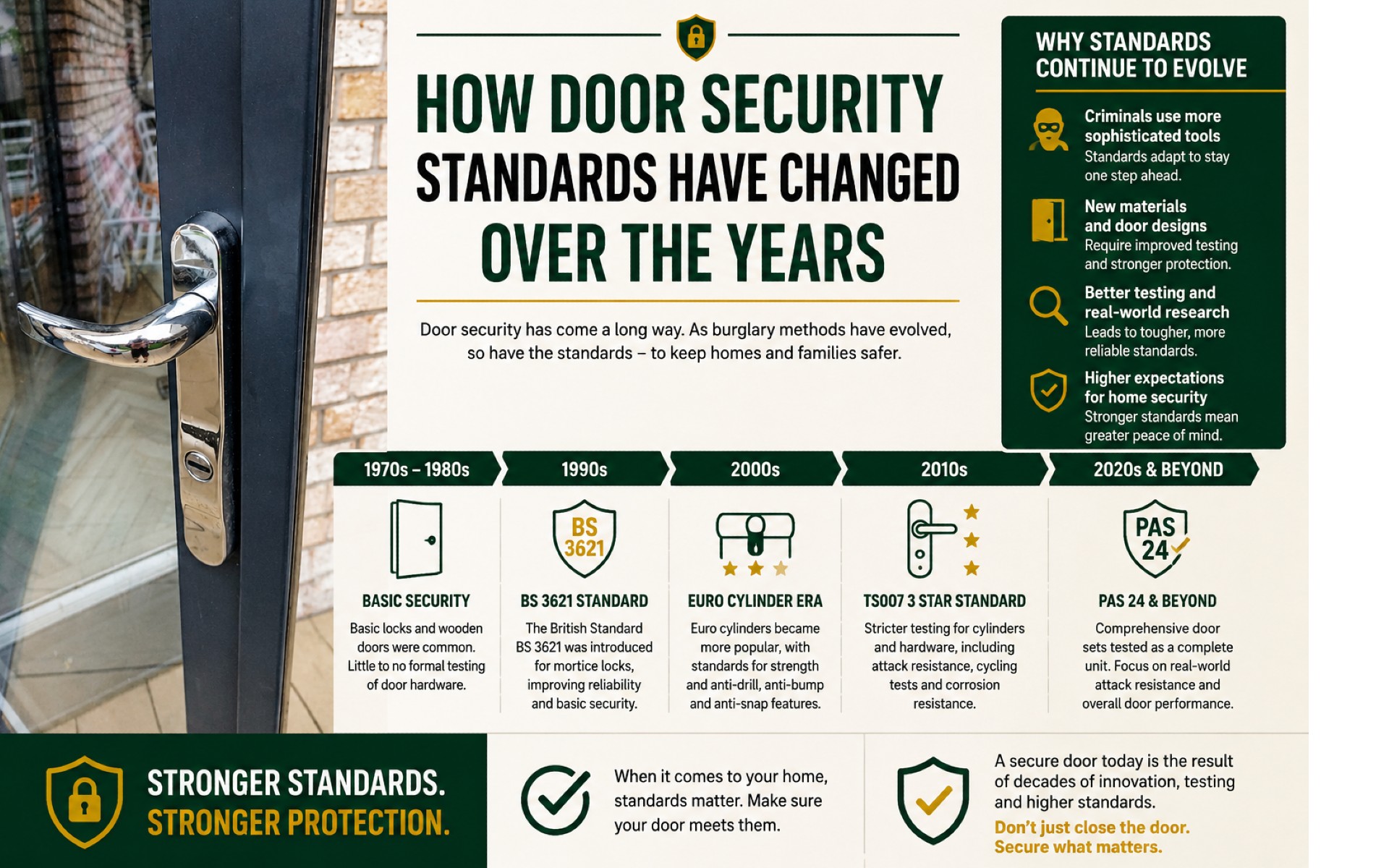
As criminals have developed new methods of attack, lock manufacturers have continually improved the design of locks, cylinders, handles and complete door locking systems. Today's security products are stronger, more sophisticated and independently tested against recognised standards that simply didn't exist years ago.
The good news is that improving your home's security doesn't always mean replacing the entire door. In many cases, upgrading individual locking components can provide a substantial improvement while allowing you to keep the door you already own.
Understanding how door security has evolved helps homeowners make informed decisions about repairs, maintenance and security upgrades.
How Door Security Used to Work
Many older front and back doors relied on relatively simple locking systems.
Common features included:
- A single locking point.
- Standard euro cylinders.
- Basic door handles.
- Minimal protection against physical attack.
- Few independently tested security components.
For the time, these products offered reasonable protection.
However, burglary methods have evolved considerably, exposing weaknesses that weren't widely recognised when many of these doors were originally fitted.
As a result, the door security industry has continually improved both products and testing standards.
Why Door Security Has Changed
Modern lock development hasn't happened by accident.
Each new generation of products has largely been a response to the techniques used by burglars.
As certain methods of attack became more common, manufacturers developed new ways of resisting them.
These improvements have focused on:
- Making locks harder to force.
- Protecting vulnerable components.
- Improving resistance to snapping.
- Increasing durability.
- Improving overall door security.
- Raising independent testing standards.
Today's locking systems are the result of decades of continual refinement.
The Move from Single-Point to Multipoint Locking
One of the biggest developments was the widespread introduction of multipoint locking systems.
Instead of securing the door in one location, modern mechanisms lock the door at several points along its height.
These locking points commonly include:
- Hooks.
- Rollers.
- Deadbolts.
The advantages include:
- Greater resistance to forced entry.
- Better distribution of locking forces.
- Improved weather sealing.
- Reduced movement of the door.
- Better overall door stability.
Today, multipoint locking mechanisms are standard on most modern uPVC and composite entrance doors.
Euro Cylinders Have Become Much Stronger
The euro cylinder has also undergone significant development.
Earlier cylinders offered relatively little protection against modern burglary methods.
Today's options include:
- Standard cylinders.
- TS007 1 Star cylinders.
- TS007 3 Star snap-resistant cylinders.
Modern high-security cylinders often incorporate features such as:
- Anti-snap protection.
- Anti-drill inserts.
- Anti-pick technology.
- Anti-bump mechanisms.
- Reinforced internal construction.
These improvements significantly increase resistance against common methods of attack.
Door Handles Are Now Part of the Security System
Older door handles were largely designed for appearance and ease of use.
Modern security handles perform a much more important role.
Many now provide:
- Protection for the euro cylinder.
- Hardened construction.
- Reinforced fixing points.
- Improved support for the gearbox.
- Greater resistance to attack.
When combined with a quality cylinder, security handles become an important layer within the overall locking system.
Better Testing Standards
As locking systems improved, security testing became much more demanding.
Today, homeowners can choose products that have been independently tested against recognised standards.
These include:
- PAS 24.
- TS007.
- Secured by Design.
Each standard evaluates different aspects of security.
Rather than relying on marketing claims alone, homeowners can choose products that have demonstrated their performance during independent testing.
Better Materials Mean Better Reliability
Security isn't the only area that's improved.
Modern locking components are generally manufactured using stronger, longer-lasting materials than many earlier products.
Improvements include:
- Hardened steel components.
- Improved gear design.
- Stronger springs.
- Better anti-drill protection.
- More durable finishes.
- Improved corrosion resistance.
These advances improve both security and long-term reliability.
Older Doors Can Often Be Modernised
Having an older door doesn't automatically mean your home is poorly protected.
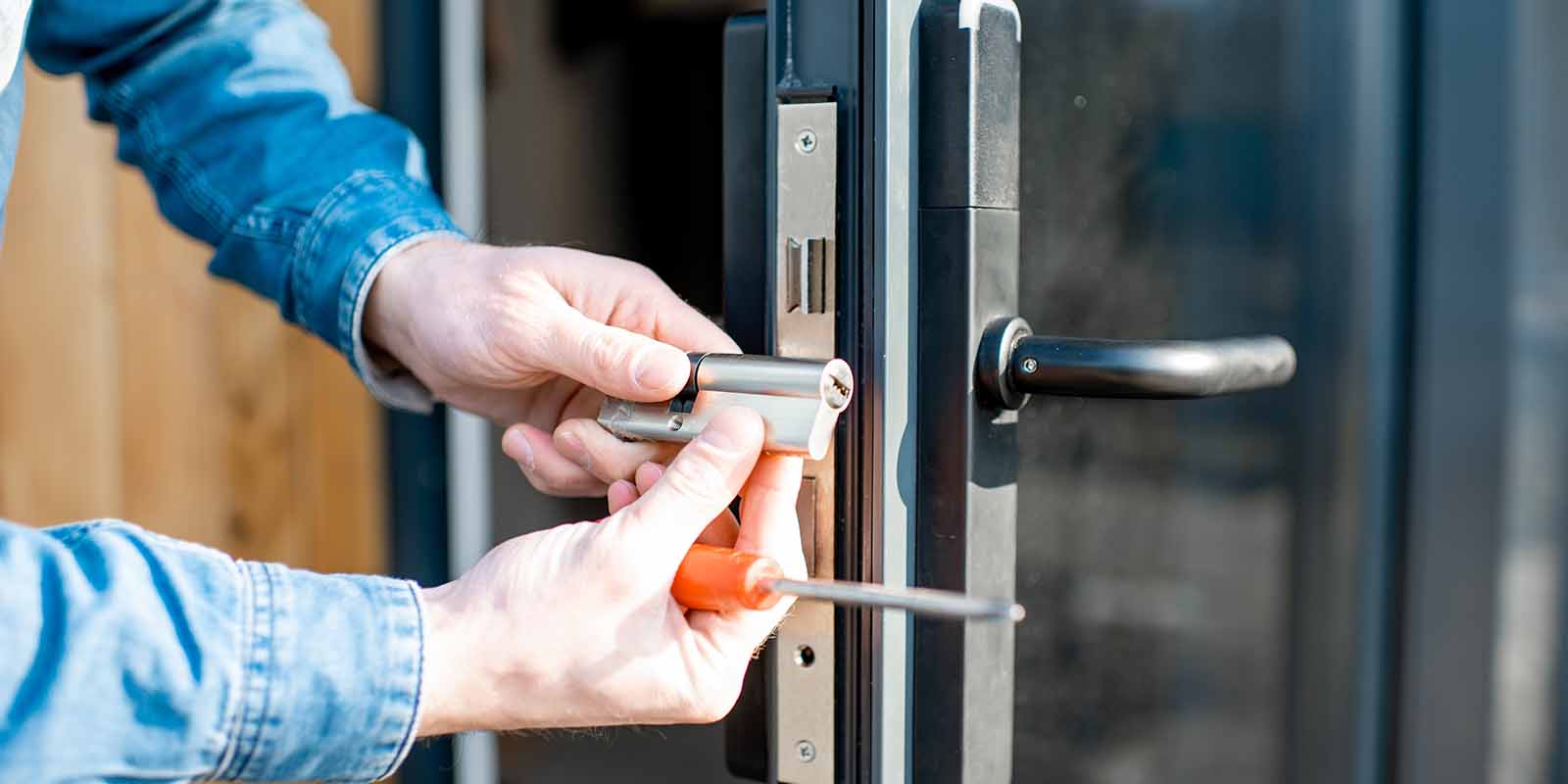
Many existing doors can be upgraded by replacing individual components, including:
- Euro cylinders.
- Door handles.
- Multipoint locking mechanisms.
- Hinges where appropriate.
- Other worn security hardware.
These upgrades often provide a substantial improvement in security without the cost and disruption of replacing the complete door.
Maintenance Still Plays a Vital Role
Even the best locking system won't perform properly if the door itself isn't correctly adjusted.
Poor door alignment can place unnecessary strain on:
- The gearbox.
- The locking mechanism.
- Door handles.
- The euro cylinder.
- Locking points.
Regular maintenance and early adjustment help ensure modern security components continue operating as intended while reducing premature wear.
Security Is About Layers
Modern home security works best when several protective measures work together.
These layers may include:
- High-security euro cylinders.
- Multipoint locking mechanisms.
- Security door handles.
- Correct door alignment.
- Good maintenance.
- External lighting.
- Secure hinges.
- Appropriate security standards.
Each additional layer increases the effort and time required to gain entry, making your property a less attractive target.
Don't Replace a Good Door Simply Because It's Older
Age alone isn't a reason to replace a door.
If the door remains:
- Structurally sound.
- Properly fitted.
- Weatherproof.
- Free from significant damage.
upgrading the locking components is often the more sensible and economical option.
Replacing a worn cylinder, fitting modern security handles or upgrading the locking mechanism can significantly improve protection while preserving a perfectly serviceable door.
Choosing the Right Upgrade
Every door is different.
The most beneficial upgrade depends on factors such as:
- The age of the door.
- The type of locking mechanism.
- The condition of the existing hardware.
- Whether the cylinder is already protected.
- Current security standards.
- The overall condition of the door.
A professional assessment helps identify which improvements will provide the greatest increase in both security and reliability.
Conclusion
Door security has evolved enormously over recent decades. What was once considered highly secure has gradually been replaced by stronger locking mechanisms, more resilient cylinders, better-tested security hardware and higher manufacturing standards. These advances have made modern doors significantly more resistant to common methods of forced entry while also improving reliability and longevity.
Fortunately, homeowners don't always need a completely new door to benefit from these improvements. In many cases, upgrading the locking components, ensuring the door is correctly aligned and replacing worn hardware can provide a substantial increase in security at a fraction of the cost of replacement. By understanding how door security has evolved, homeowners can make informed decisions that protect both their property and their investment.
Frequently Asked Questions
Are older door locks less secure?
Many older locks still function perfectly well, but they may lack modern security features such as anti-snap, anti-drill or anti-bump protection. Upgrading key components can often improve security significantly.
Can I upgrade my existing door instead of replacing it?
In many cases, yes. Replacing the euro cylinder, security handles or multipoint locking mechanism can provide substantial security improvements while allowing you to keep your existing door.
What are TS007 and PAS 24?
TS007 is a standard for security cylinders and door furniture, while PAS 24 is a performance standard used to assess the security of complete door and window assemblies against methods of attack.
Will better locks make my door more secure?
Yes—but only if the rest of the door is in good condition. A quality cylinder, correctly functioning locking mechanism and proper door alignment all work together to provide effective security.
Is maintenance still important with modern locks?
Absolutely. Even the most advanced locking system will suffer unnecessary wear if the door is poorly aligned or difficult to operate. Regular maintenance helps maximise both security and lifespan.