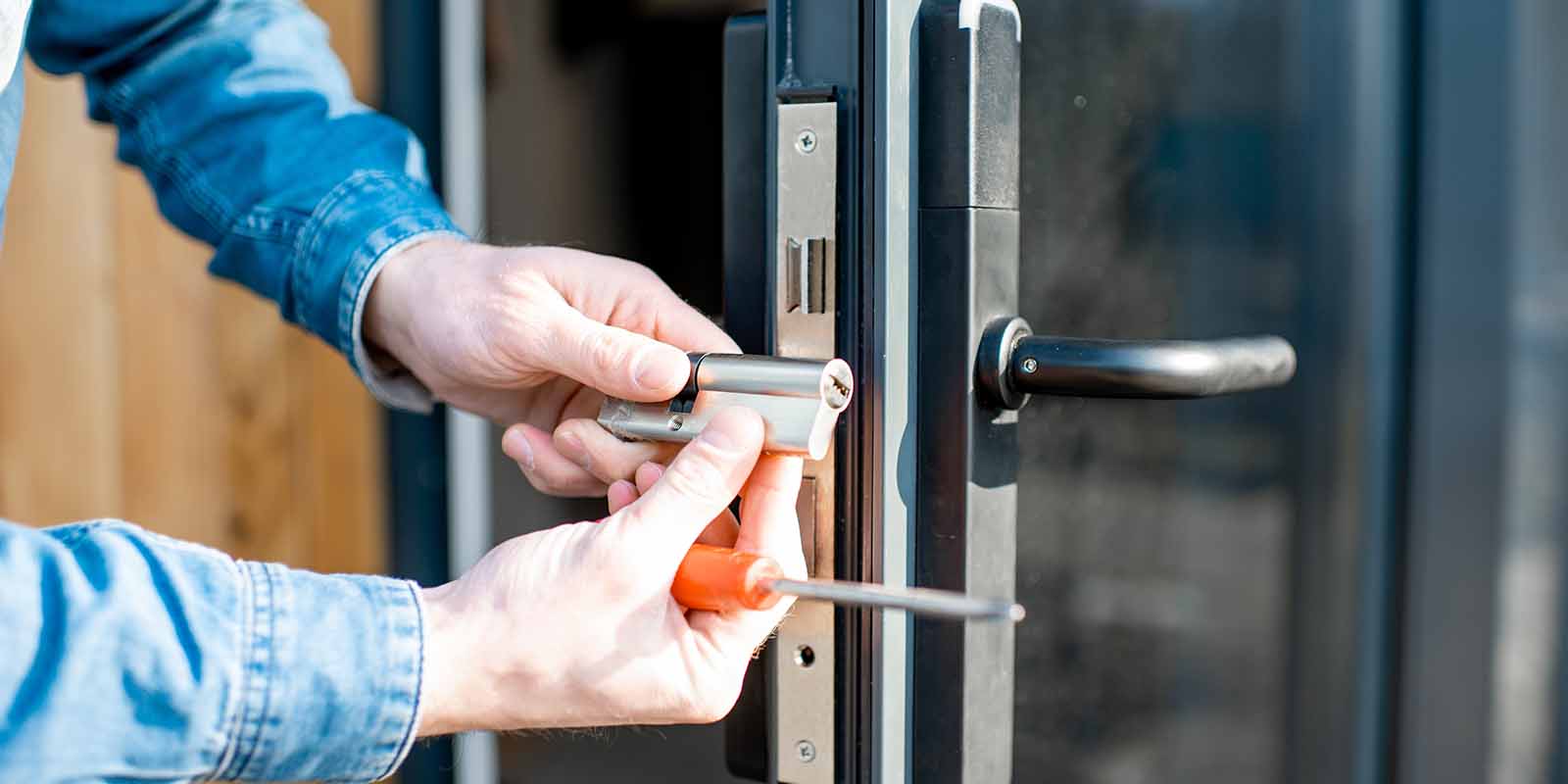

When a parent dies, disagreements between siblings can arise over the family home, personal belongings and who has the right to enter the property. The situation can become particularly difficult when one sibling is living in the house and another wants access to collect possessions or deal with the deceased parent's affairs.
Can one sibling change the locks? Does another sibling have the right to enter? Can they collect belongings without permission?
In Scotland, the answers depend on ownership, inheritance, the deceased's will and the legal rights of anyone living in the property. Being a family member does not automatically settle these questions.
Who Owns the Property After a Parent Dies?
The first step is to establish who legally owns the property.
If the deceased parent owned the house solely, it will generally form part of their estate, subject to any relevant legal arrangements. The estate must be administered according to the will or, where there is no valid will, Scotland's rules of succession.
If the property was jointly owned, the title deeds must be checked. The legal position may depend on how the property was held and whether a survivorship clause applies.
A sibling who has lived in the family home for years does not automatically become its owner simply because they remain there after the parent's death. Equally, another sibling does not automatically acquire an immediate right to enter just because they may eventually inherit.
The starting point is to establish the registered ownership and the deceased's legal arrangements.
Does a Sibling Have the Right to Enter the Family Home?
There is no single rule that applies to every family property dispute.
A sibling's right to enter may depend on whether they are a legal owner, whether they have another established right to occupy or access the property, and whether the home is being administered as part of the deceased parent's estate.
For example, a sibling who jointly owns a property may have different rights from a sibling who is simply a beneficiary under a will.
Being named as an executor does not necessarily give someone an unrestricted right to enter an occupied home by force. An executor has responsibilities for administering the estate, but those responsibilities must be exercised lawfully and with proper regard to the rights of anyone living there.
If access is disputed, it is safer to obtain legal advice than to force entry or assume that family relationships alone determine the answer.
Can One Sibling Change the Locks?
Changing the locks can help secure a property, but it does not settle a dispute about ownership or access.
If one sibling is the lawful owner or has a legal right to occupy the property, they may have grounds to change the locks. However, the position can be more complicated if the other sibling is a co-owner or has an established right of access.
If the property still forms part of the deceased parent's estate, the executor's role and the resident's legal position must also be considered.
Changing the locks specifically to exclude another person who may have legal rights could escalate the dispute and potentially lead to legal action.
Before changing the locks in a disputed property, establish who owns the house, whether an executor has been appointed and what rights the other sibling may have. A Scottish solicitor can advise on the appropriate steps.
Can a Sibling Collect Their Personal Belongings?
A dispute over access often arises because one sibling wants to retrieve personal possessions from the family home.
It is important to distinguish between items belonging personally to that sibling and items belonging to the deceased parent.
Personal belongings
If the sibling can establish that particular possessions belong to them, they may have a legal basis for seeking their return. However, ownership of those items does not automatically give them permission to force entry into an occupied property.
A sensible first step is to request access in writing and propose a suitable collection date.
Where relationships are strained, a written list of the items and an agreed collection arrangement can help avoid further disagreements.
Belongings belonging to the deceased
Furniture, jewellery, money, personal effects and other possessions owned by the deceased may form part of the estate.
These items should be dealt with through the estate administration process. A beneficiary should not assume they can remove an item simply because they believe it should eventually be theirs.
The executor is responsible for gathering in the estate, dealing with relevant liabilities and distributing the estate according to the applicable legal arrangements.
Where ownership of an item is disputed, it is sensible to record the disagreement and leave the item in place until the issue is resolved, unless safeguarding it requires other action.
What If the Resident Sibling Refuses Access?
A sibling living in the property may refuse access because of concerns about security, privacy, conflict or disputed ownership. Whether that refusal is lawful depends on the circumstances.
The sibling seeking access should avoid forcing the door, using a key without establishing their right to enter or removing possessions without agreement.
Instead, they can:
-
Write to the resident sibling explaining what access is required and why.
-
Identify the specific belongings they wish to collect.
-
Ask the executor to help arrange access if the property forms part of the estate.
-
Suggest a mutually agreed time, with a neutral third party present if necessary.
-
Seek legal advice if access continues to be refused.
If a person has a legal right to access the property or recover their possessions, a solicitor can advise on the appropriate legal remedy. Depending on the circumstances, a formal legal process may be necessary.
What If There Is No Will?
If a parent dies without leaving a valid will, they are said to have died intestate. Scotland's rules of succession then determine how the estate is distributed.
The position can be more complicated than simply dividing everything equally between the children. A surviving spouse or civil partner may have prior rights and legal rights, and other rules can affect who inherits the remaining estate.
It is also important to distinguish between inheriting a share of an estate and having an immediate right to occupy or enter a particular property.
If there is no will, or no executor has been appointed, legal advice can help establish who should administer the estate and how disputes should be handled.
The Role of the Executor
An executor is responsible for administering the deceased person's estate. Their duties can include identifying assets, dealing with debts and expenses, preparing the estate accounts and distributing the remaining assets according to the law.
In Scotland, confirmation is the court authority that may be required to allow an executor to uplift and administer certain estate assets.
If siblings disagree about access to the property or the distribution of belongings, the executor may be able to help establish a proper process. However, an executor should not treat a family disagreement as permission to disregard the rights of an occupant or another person with a legitimate claim.
Where the executor cannot resolve the disagreement, a solicitor experienced in Scottish executry and property disputes can advise on the next steps.
How to Avoid Escalating a Family Property Dispute
Disputes following a bereavement can become more difficult when people act before establishing their legal position.
The following steps can help:
-
Check the title deeds. Establish who legally owns the property and whether there are any relevant survivorship arrangements.
-
Find the will. Identify any named executor and the instructions left by the deceased.
-
Establish who is administering the estate. If no executor has been appointed, find out what steps are required.
-
Record disputed belongings. Make a list and, where appropriate, photograph items without removing or disturbing them.
-
Arrange access in writing. Keep communications factual and propose a reasonable collection arrangement.
-
Seek legal advice before changing locks. This is particularly important if ownership or the right to occupy is disputed.
These measures can help preserve the property and the estate while giving everyone an opportunity to resolve the disagreement through the proper channels.
Property Disputes and Lock Changes in Scotland
When a family dispute involves a house after a parent's death, a lock change may appear to be a straightforward solution. However, the locksmith's work and the legal right to exclude someone are two separate matters.
A locksmith can change a lock, but cannot determine who owns the property, who is entitled to inherit it or whether a particular person has a legal right of entry.
Before arranging a lock change in a disputed property, make sure the legal position has been considered. If someone is already living in the house, their rights must be taken into account.
For official information, consult Citizens Advice Scotland's guidance on dealing with an estate after a death and the Scottish Courts and Tribunals Service guide to a deceased person's estate.
Final Thoughts
When a parent dies, the family home can become the focus of a difficult dispute. The sibling living in the property, the sibling seeking access and the executor may all have different concerns and legal responsibilities.
The safest approach is to establish ownership, identify the executor and distinguish personal belongings from items belonging to the estate before taking action.
Changing the locks does not determine legal ownership or inheritance rights, and being a sibling does not automatically give someone unrestricted access. Where the facts are disputed, seek advice from a solicitor experienced in Scottish property and executry law before forcing entry, excluding another person or removing possessions.
This article provides general information about Scottish law and is not legal advice. The correct position depends on the title, the will, the estate administration and the rights of anyone occupying the property.