Introduction
If you own a flat in a Scottish tenement or apartment building, you may have been told that your front entrance door needs replacing to comply with current fire safety regulations.
For many homeowners, that's a worrying conversation. A new compliant flat entrance fire door, together with installation and associated work, can often cost £2,000 or more.
While there are circumstances where replacing the entire door is the correct solution, it's far less common than many people think.
Before committing to a costly replacement, it's worth asking one simple question:
Does the whole door actually need replacing, or is it the hardware that's the problem?
In many cases, if the existing door is already a fire-rated door, repairing a faulty lock, replacing worn components or upgrading non-compliant hardware may be all that's required.
Important: Fire door work should always comply with the relevant Scottish regulations and manufacturer requirements. Any assessment should be carried out by a suitably competent person.
Why Can Replacing a Flat Entrance Door Be So Expensive?
Unlike many external doors, the entrance door to a flat forms part of the building's fire protection strategy.
Its purpose isn't simply to secure your home—it also helps protect the communal escape route if a fire occurs within the building.
Where replacement is necessary, the new installation may involve considerably more than simply fitting a new door.
Costs can include:
- A certified fire door.
- A compatible fire-rated frame where required.
- A certified self-closing device.
- Fire-rated hinges and ironmongery.
- Locks and latches suitable for fire doors.
- Installation.
- Decoration and making good.
Once all of these items are included, replacement costs can easily begin at around £2,000, with some installations costing considerably more depending on the building and specification.
Why Flat Entrance Fire Doors Are Different
The entrance door to a flat opening onto a communal corridor, landing or shared staircase performs a critical life-safety role.
Unlike an ordinary front door, it's intended to help:
- Slow the spread of fire.
- Restrict the movement of smoke.
- Reduce the spread of toxic gases.
- Protect escape routes.
- Provide valuable time for occupants to evacuate safely.
- Reduce fire damage to neighbouring properties.
For this reason, the condition of both the door and its associated hardware is extremely important.
Does Every Flat Door Need Replacing?
In many situations, no.
One of the biggest misconceptions is that any problem with a flat entrance door automatically means replacing the complete door.
In reality, many issues involve replaceable components rather than the door itself.
Two situations are particularly common.
1. The Door Has a Locking Problem
The door leaf may remain perfectly serviceable while one of the mechanical components has simply worn out.
Common faults include:
- A failed gearbox.
- A worn multipoint locking mechanism.
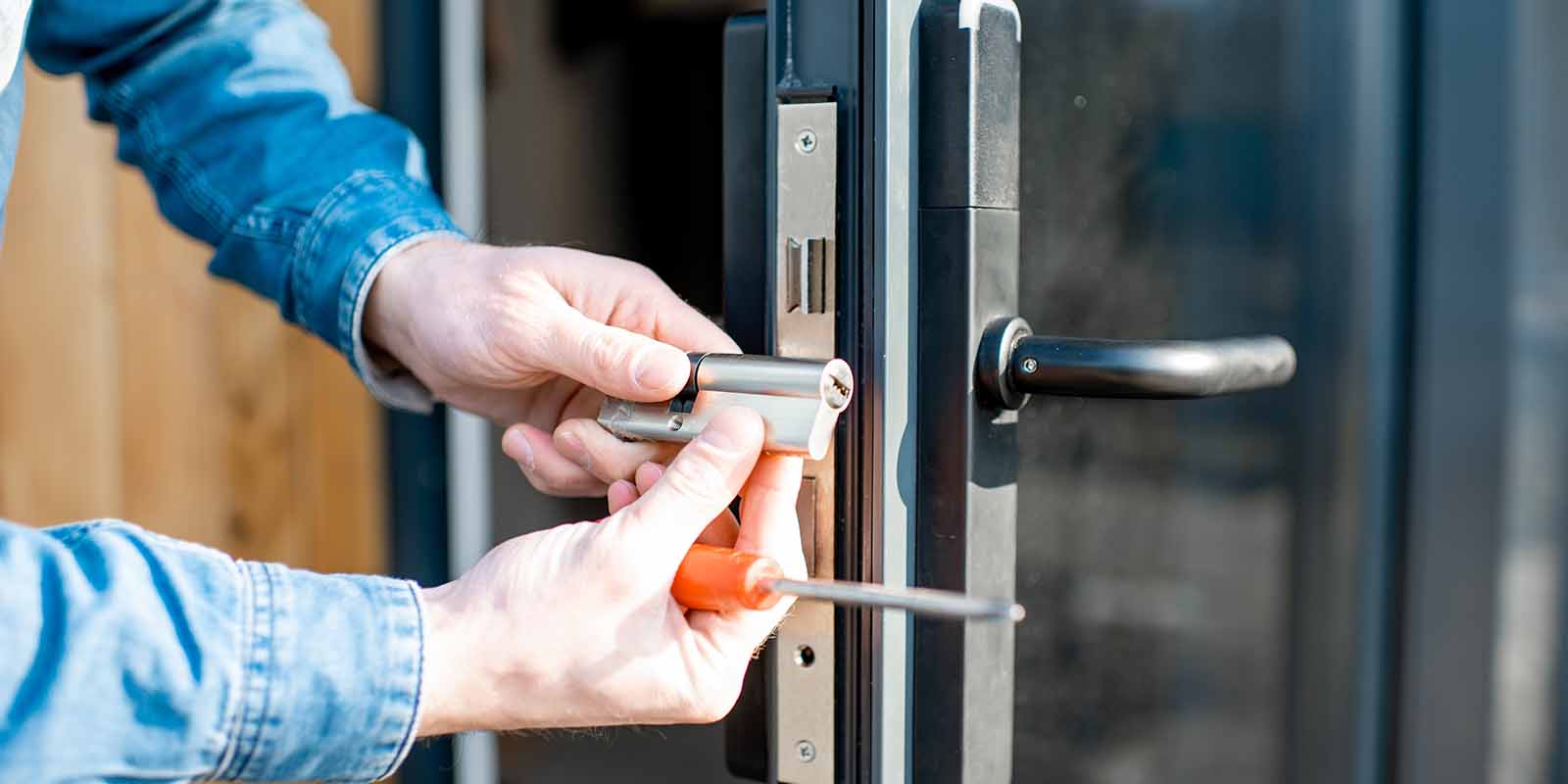
- A faulty euro cylinder.
- Broken door handles.
- A dropped door requiring realignment.
- A stiff or worn latch.
Repairing these components often restores normal operation without replacing the door.
2. The Existing Door Is Already Fire Rated
Many flat entrance doors already provide the required level of fire resistance.
Over the years, however, components may have been replaced with unsuitable alternatives, damaged through normal use or simply worn out.
The door itself may still be structurally sound while only individual components require attention.
This is why every door should be assessed individually before recommending complete replacement.
Common Problems Found on Existing Fire Doors
It's not unusual to find fire-rated entrance doors that have gradually lost some of their intended performance because components have been changed over time.
Examples include:
- Non-fire-rated letterboxes.
- Standard door viewers.
- Incorrect hinges.
- Missing or damaged intumescent strips.
- Damaged smoke seals.
- Worn or poorly adjusted self-closing devices.
- Non-compliant door furniture.
- Poorly fitting locks or latches.
In many cases, replacing one or two certified components can help restore the door's intended performance without replacing the entire door.
Components That May Be Upgraded
Where the existing fire door remains suitable, it may be possible to replace individual certified components such as:
- Self-closing door closers.
- Fire-rated hinges.
- Intumescent strips.
- Smoke seals.
- Fire-rated letterboxes.
- Fire-rated door viewers.
- Fire-rated handles.
- Locks and latches where appropriate.
Replacing individual components is often significantly less expensive than replacing the complete door assembly.
Can You Keep Your Existing Door?
Quite often, yes.
If the existing door is:
- Structurally sound.
- Correctly fitted.
- Free from significant warping or damage.
- Already designed as a fire door where fire resistance is required.
there may be no reason to replace it simply because one component has failed.
The decision should always be based on the condition of the complete door assembly rather than assumptions.
Don't Overlook the Self-Closing Device
One of the most common reasons flat entrance doors fail inspections is because they no longer close correctly.
A properly functioning self-closing device should:
- Close the door completely from any open position.
- Engage the latch every time.
- Operate without needing assistance.
- Allow the door to close fully against its seals.
If a fire door is wedged open or fails to self-close properly, it cannot perform its intended role during a fire.
Small Alterations Can Affect Fire Performance
Over many years of ownership, it's common for entrance doors to be modified.
Seemingly minor alterations can affect the door's intended fire performance.
Examples include:
- Fitting an ordinary letterbox.
- Replacing certified hinges with standard hinges.
- Removing intumescent strips.
- Damaging smoke seals during decorating.
- Replacing fire-rated hardware with non-certified alternatives.
Using the correct replacement components helps preserve the integrity of the door assembly.
Don't Assume a Lock Fault Means a New Door
Many homeowners first seek advice because:
- The key won't turn.
- The handle has become stiff.
- The multipoint lock has failed.
- The door won't latch properly.
These are usually mechanical problems rather than structural failures.
Replacing:
- A euro cylinder.
- A gearbox.
- A multipoint locking mechanism.
- Door handles.
- Hinges.
- Faulty closing hardware.
is often far more economical than replacing an otherwise serviceable door.
A Professional Assessment Could Save You Thousands
Before agreeing to replace your flat entrance door, it's worth having it properly assessed.
A professional inspection should establish:
- Is the existing door already fire rated?
- Is the structure of the door still sound?
- Does the locking mechanism simply require repair?
- Can certified hardware be upgraded?
- Does the self-closing device operate correctly?
- Are the hinges, seals and ironmongery suitable?
- Is complete replacement genuinely necessary?
Only after these questions have been answered can the most appropriate recommendation be made.
Repair Before You Replace
One of the most expensive mistakes homeowners can make is assuming that a faulty lock automatically means replacing the entire entrance door.
In many cases, the opposite is true.
If the door itself remains structurally sound, repairing worn mechanical components and upgrading non-compliant certified hardware may restore both reliable operation and the door's intended performance at a fraction of the cost of replacement.
While there are occasions where a new fire door is unavoidable, they are often the exception rather than the rule.
Conclusion
Replacing a flat entrance fire door can be a significant investment, but it shouldn't automatically be the first recommendation whenever a problem develops.
Many existing fire-rated doors remain perfectly serviceable, with issues limited to worn locks, faulty multipoint mechanisms, damaged hardware or components that no longer meet the required specification. In these situations, repairing the locking system or upgrading certified components may provide a practical and considerably more economical solution.
Before committing to a replacement that could cost £2,000 or more, it's worth ensuring the door has been properly assessed. A thorough inspection can identify whether the existing door can continue providing safe, reliable service with appropriate repairs or upgrades, potentially saving thousands of pounds while avoiding the disruption of a complete replacement.
Frequently Asked Questions
Does a faulty lock mean my flat entrance fire door needs replacing?
Usually not. If the door itself remains structurally sound, repairing or replacing the faulty lock, gearbox, multipoint mechanism or other hardware may be all that's required.
Can an existing fire door be upgraded?
In many cases, yes. Depending on its condition, it may be possible to replace certified components such as hinges, self-closing devices, intumescent strips, smoke seals, letterboxes or door furniture rather than replacing the complete door.
Why are replacement flat entrance doors so expensive?
Replacement often involves more than fitting a new door. Costs can include a certified fire door, compatible frame where required, certified hardware, installation and associated finishing work.
What should be checked before replacing a fire door?
The condition of the door leaf, frame, locking system, self-closing device, hinges, seals and other fire-rated components should all be assessed before deciding whether replacement is necessary.
Can poor door alignment affect a flat entrance door?
Yes. Just like any other door, poor alignment can make locks difficult to operate and place unnecessary strain on the multipoint locking mechanism. Correct alignment is an important part of maintaining reliable operation.