Introduction
French doors should open, close and lock smoothly without excessive force. If you have to push, pull or lift the doors before the handle will lift or the key will turn, there's a good chance they've moved out of alignment.
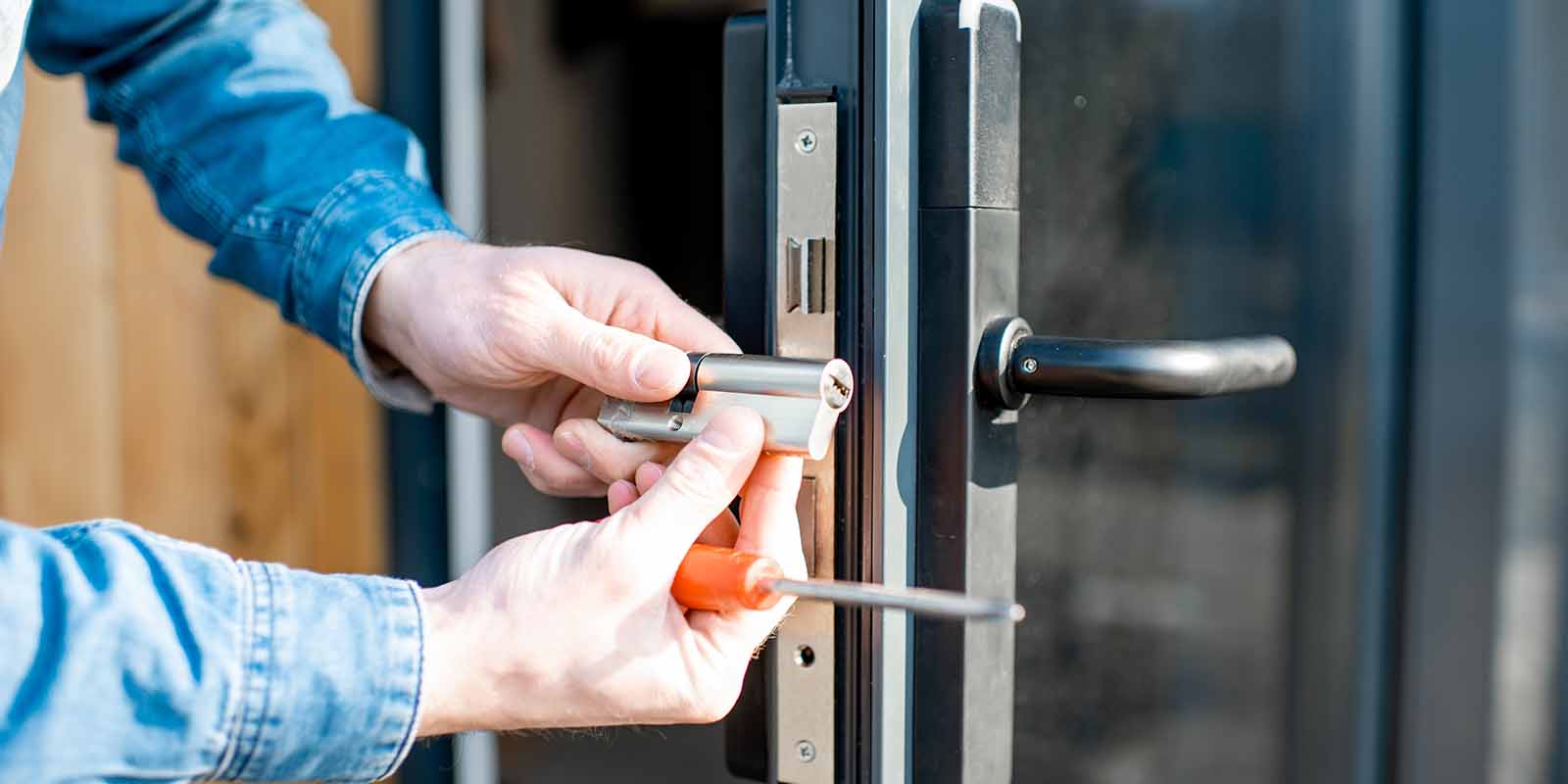
Misalignment is one of the most common causes of French door lock problems. Fortunately, it's usually repairable without replacing the doors. Correcting the alignment not only restores smooth operation but also reduces unnecessary strain on the multipoint locking mechanism, gearbox and lock cylinder.
Everyday Wear and Tear
French doors are often opened and closed many times each day.
Over the years this constant use can cause:
- Hinges to wear.
- Fixings to loosen.
- The doors to settle slightly.
- Minor movement within the frame.
Even a movement of just a few millimetres can prevent the locking points from lining up correctly with the keeps.
A Dropped Door
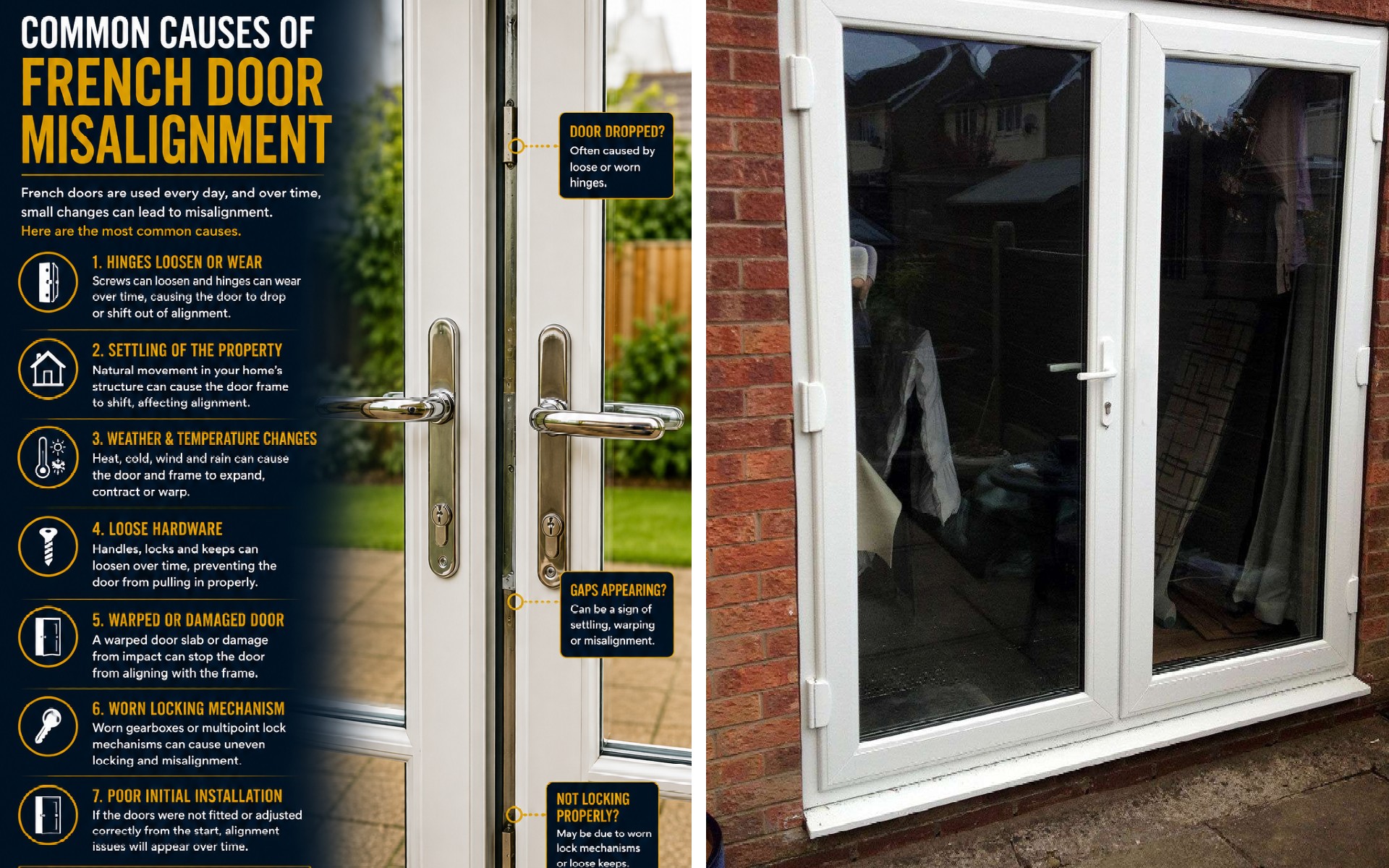
One of the most common causes of misalignment is a door that has gradually dropped on its hinges.
Typical warning signs include:
- The door catching the frame.
- Difficulty lifting the handle.
- Having to lift the door slightly before locking.
- Uneven gaps around the door.
- Scrape marks on the frame.
A dropped door doesn't just affect operation—it places continuous strain on the multipoint locking mechanism and gearbox.
Seasonal Expansion and Contraction
French doors are exposed to the weather throughout the year.
During warmer weather the doors can expand slightly, while colder temperatures may cause them to contract.
This can result in:
- Tight operation.
- Increased resistance when locking.
- The doors rubbing together.
- Existing alignment problems becoming more noticeable.
South and west-facing doors exposed to direct sunlight often experience the greatest movement.
Building Movement
All buildings experience slight movement over time.
As a property settles, this can affect:
- Door frames.
- Hinge positions.
- Lock alignment.
- The way the doors meet in the centre.
Even small changes can prevent the locking points from engaging smoothly with the frame.
Loose Hinges
Years of regular use can gradually loosen hinge fixings.
When this happens, the doors may begin to:
- Sag slightly.
- Catch the frame.
- Become difficult to close.
- Place additional strain on the lock.
Checking and tightening loose fixings early can often prevent more serious problems developing.
Worn Hinges
Hinges are mechanical components that eventually wear through normal use.
As wear increases, you may notice:
- Doors rubbing together.
- Scraping on the frame.
- Difficulty locking.
- Uneven operation.
- Increased movement when opening the door.
Replacing worn hinges often restores the correct alignment and reduces stress on the locking mechanism.
Misaligned Keeps
Sometimes the doors themselves haven't moved significantly, but the locking points no longer align correctly with the keeps fitted to the frame.
This can cause:
- Heavy handle operation.
- Difficulty engaging the hooks.
- A stiff key.
- Locking points rubbing against the frame.
Adjusting the keeps can often restore smooth operation without replacing any lock components.
Previous Incorrect Adjustments
Many homeowners attempt to adjust French doors after watching online videos.
Unfortunately, incorrect adjustments can easily make matters worse.
Common problems include:
- Adjusting the wrong hinge.
- Uneven hinge adjustments.
- Pulling the door out of square.
- Creating additional strain on the locking mechanism.
Correct diagnosis is essential before any adjustments are made.
Frame Movement
Although less common, the frame itself can sometimes move because of:
- Building settlement.
- Installation issues.
- Age.
- Structural movement.
This may result in:
- Uneven gaps.
- Poor weather sealing.
- Doors failing to meet correctly.
- Increased resistance when locking.
A professional assessment can determine whether the frame or the doors require adjustment.
Why Alignment Matters
Many homeowners continue forcing a door that's becoming difficult to lock.
Unfortunately, this places excessive strain on:
- The gearbox.
- The lock cylinder.
- The handles.
- Hooks and rollers.
- The multipoint locking mechanism.
Many failed gearboxes begin as nothing more than a door that was slightly out of alignment.
Correcting the alignment early can often prevent a far more expensive repair later.
How Misalignment Is Corrected
Depending on the cause, repairs may involve:
- Adjusting the hinges.
- Repositioning the keeps.
- Tightening loose fixings.
- Replacing worn hinges.
- Realigning both door leaves.
- Servicing the locking mechanism.
- Checking the operation of the slave door.
The aim is to ensure both doors meet correctly, the locking points engage smoothly and the handles operate with minimal effort.
Don't Ignore the Warning Signs
Your French doors are often telling you something is wrong before a lock fails completely.
Watch for:
- Difficulty lifting the handle.
- A key that's becoming stiff.
- The need to push or pull the doors.
- Doors rubbing together.
- Scrape marks on the frame.
- Draughts appearing around the doors.
- Uneven gaps.
Addressing these symptoms early can help prevent lockouts, gearbox failures and unnecessary repair costs.
Conclusion
French doors usually become misaligned gradually through everyday use, worn hinges, seasonal movement or slight building settlement. While the symptoms may seem minor at first, ignoring them can place unnecessary strain on the locking mechanism and eventually lead to gearbox or lock failure.
The good news is that most alignment problems can be corrected without replacing the doors. A professional adjustment restores smooth operation, improves security, reduces wear on the locking system and helps keep your French doors operating reliably for years to come.